Creamy Mango Oatmeal Smoothie
Expert Blending Techniques & Equipment Guide
Getting that flawless creamy texture isn't just about tossing everything in and hoping for the best. I've learned a few tricks over the years that make a huge difference. First, always add your liquids to the blender before the solids. This simple step helps the blades move freely from the start and prevents that frustrating air pocket that forms around the blades when you dump in the mango and oats first. So pour in your milk, then add the mango, oats, and honey on top. If you're using frozen mango, let it sit at room temperature for about five minutes before blending—it'll be easier on your blender and give you a smoother result.
Next, consider the order of your ingredients beyond just liquids first. Soft items like chopped mango and honey should go in before harder items like oats. This way, the oats get pulled down into the vortex more gradually, and you avoid a gritty texture. If your blender tends to struggle, pulse a few times before switching to a continuous blend. This breaks up the mango and starts incorporating the oats without overworking the motor.
Now, let's talk equipment. A high-powered blender like a Vitamix or Blendtec will pulverize rolled oats into a silky powder in seconds, giving you the smoothest possible smoothie. But don't worry if you have a standard blender—you can still get great results. Just blend for a full 60 to 90 seconds, stopping to scrape down the sides once or twice. If you're using a bullet-style blender, you might need to shake the cup a few times to keep things moving. And if your oats are still detectable after blending, you can pre-grind them in a spice grinder or small food processor before adding them to the blender. That's a game-changer for older blenders.
One more tip: don't overfill your blender. Leave about an inch of headroom so the ingredients can circulate properly. If you're doubling the recipe, blend in batches. And always start on a low speed and gradually increase to high—this prevents splatters and ensures an even blend. With these techniques, you'll get a smoothie that's velvety and lump-free every single time.
Ingredients
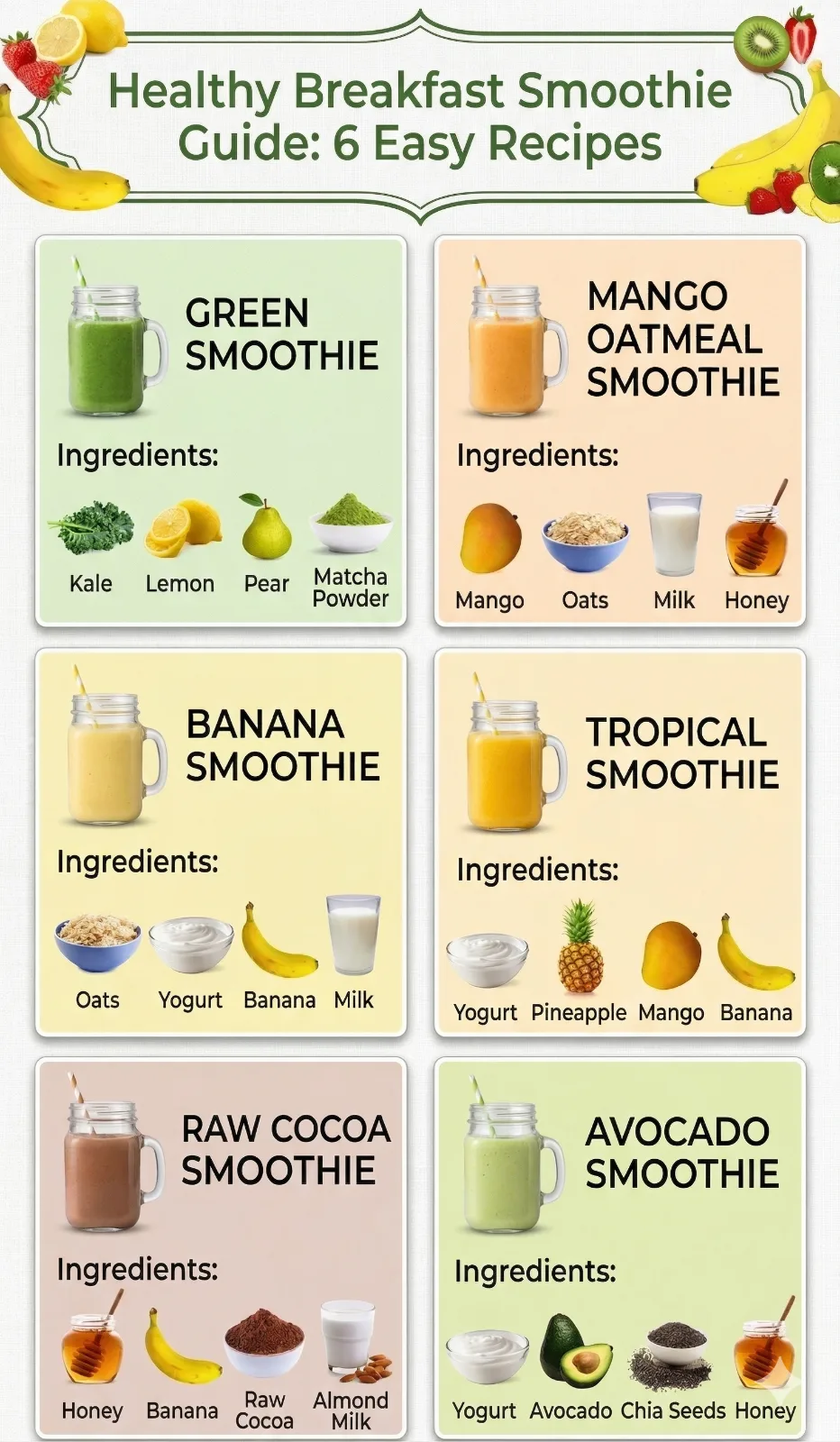
- 1 ripe mango, peeled and chopped
- 1/3 cup rolled oats
- 1 cup milk (dairy or plant-based)
- 1 tablespoon honey
Instructions
- Peel and chop the mango.
- Add mango, oats, milk, and honey to a blender.
- Blend until smooth and creamy.
- Serve chilled.
Storage, Meal Prep & Serving Suggestions
This mango oatmeal smoothie is a breakfast hero, but it's also fantastic as a post-workout refuel, an afternoon snack, or even a light dessert. Here's how to make it work for your schedule and how to serve it beautifully.
For storage, fresh is best, but life gets busy. You can pour the smoothie into a mason jar, seal it tightly, and keep it in the fridge for up to 24 hours. Before drinking, give it a vigorous shake—separation is completely normal because we're using real ingredients with no stabilizers. If you want to prep ahead for the week, portion out the mango, oats, and honey into freezer-safe bags or containers. Label them with the date and keep them in the freezer for up to three months. When you're ready, empty one portion into your blender, add milk, and blend. It's faster than making coffee!
Another great meal prep trick: freeze the smoothie itself. Pour leftover smoothie into ice cube trays, freeze until solid, then transfer the cubes to a freezer bag. When you want a smoothie, blend a handful of cubes with a splash of milk. It's like a DIY smoothie pack, and it works beautifully.
Now, serving suggestions. This smoothie is delicious straight up, but you can dress it up for a special breakfast or brunch. Pour it into a chilled glass and top with a sprinkle of toasted coconut, a few fresh mango cubes, or a drizzle of honey. A dusting of cinnamon or a pinch of cardamom adds a warm aroma. For a parfait effect, layer the smoothie with Greek yogurt and granola in a tall glass—it's a stunning presentation that's perfect for entertaining.
If you're serving it as a snack, pair it with a handful of nuts or a hard-boiled egg for extra protein. And for kids, pour it into a fun cup with a silly straw—they'll love the tropical flavor and you'll love the hidden oats. You can also freeze the smoothie into popsicles for a healthy summer treat. Just pour into molds, add sticks, and freeze for a few hours. It's a brilliant way to use up extra mango.
Finally, think beyond breakfast. This smoothie makes a great base for a smoothie bowl. Pour it into a bowl, top with sliced banana, chia seeds, and a spoonful of peanut butter, and eat it with a spoon. It's thick, satisfying, and Instagram-worthy.
Additional Frequently Asked Questions
Can I use oat flour instead of rolled oats?
Yes, you can substitute oat flour for the rolled oats if you want an even smoother texture without any blending effort. Use about 1/4 cup of oat flour in place of the 1/3 cup of rolled oats. The smoothie will be slightly less thick because oat flour absorbs less liquid, but it will still be creamy and delicious. Just add a little extra mango or a few ice cubes if you want a thicker consistency.
How can I make this smoothie less sweet?
The sweetness comes primarily from the mango and honey. To reduce it, use a less ripe mango (they're tangier) or cut the honey down to a teaspoon or omit it entirely. You can also add a squeeze of fresh lime juice, which brightens the flavor and balances the sweetness without adding sugar. If you're watching your sugar intake, unsweetened almond milk is a good choice since it has zero grams of sugar.
Is this smoothie good for weight loss?
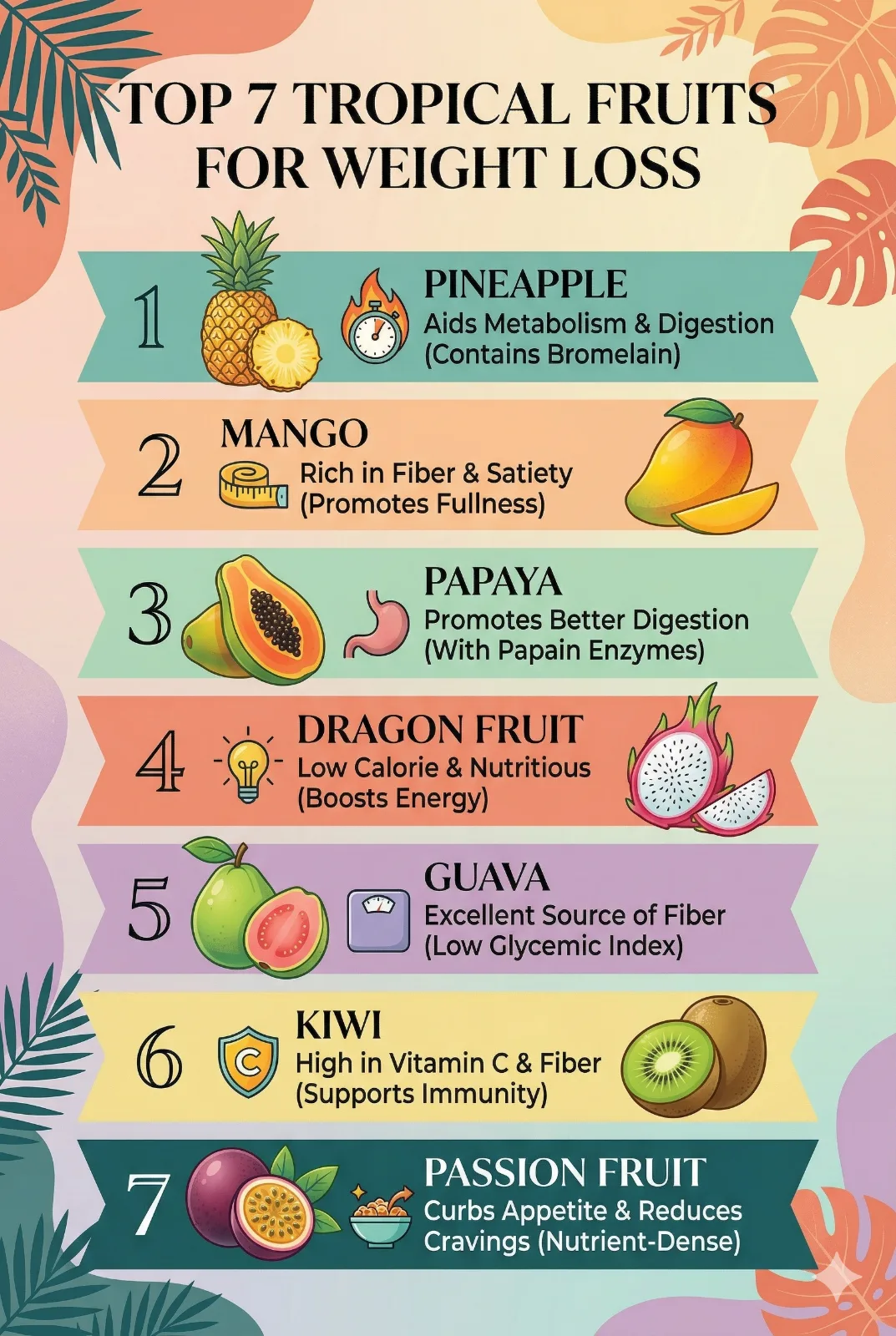
It can be! Thanks to the fiber from oats and mango, plus the protein from milk, this smoothie is satiating and can help curb cravings. However, it does contain natural sugars from mango and honey, so portion control matters. For a lower-calorie version, use unsweetened almond milk, skip the honey, and use half a mango. You can also add a scoop of protein powder to increase satiety. As part of a balanced diet, this smoothie can absolutely support weight loss goals.
Can I add vegetables to this smoothie?
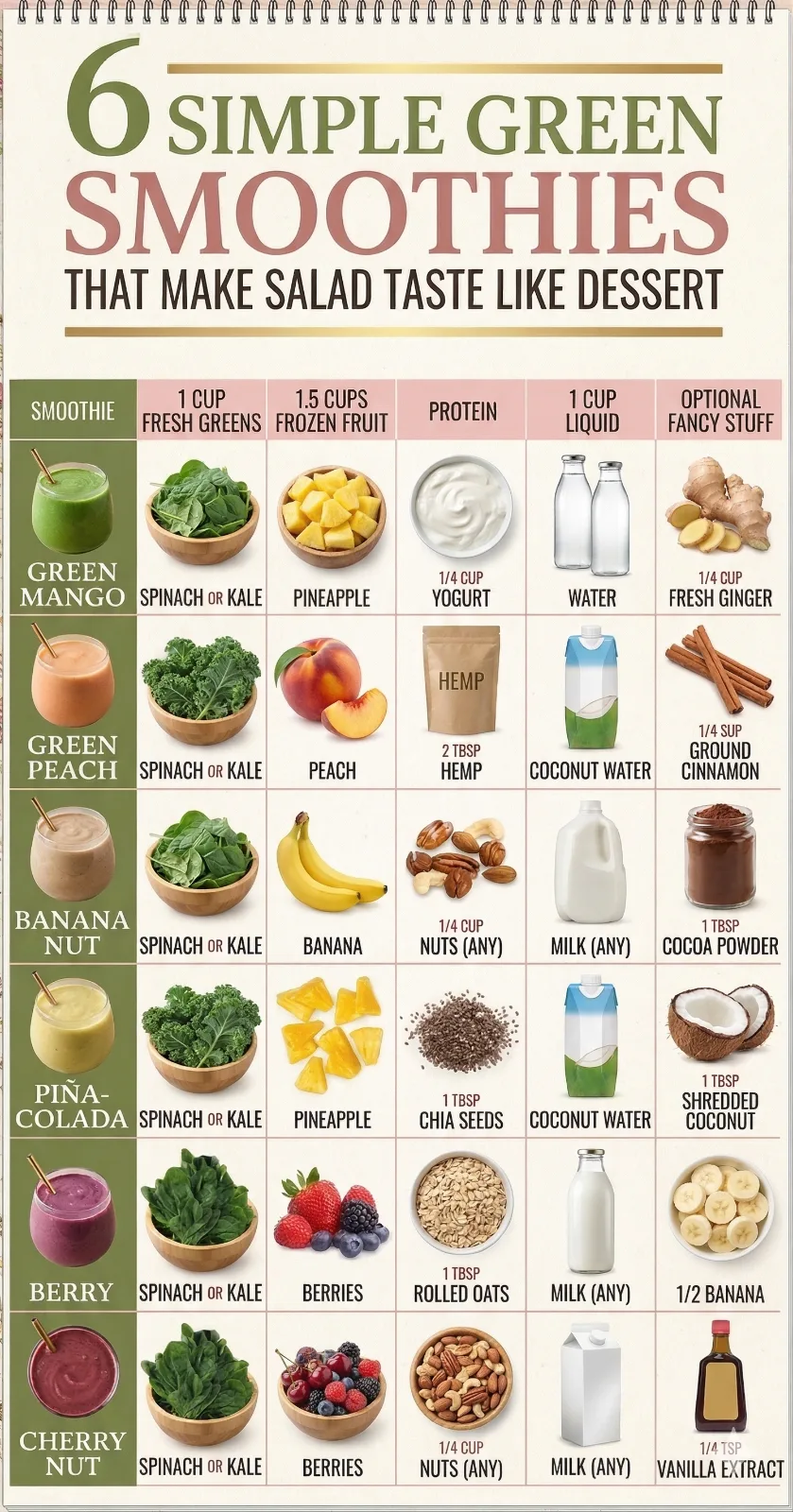
Absolutely! This is a great recipe for sneaking in veggies. A handful of baby spinach adds iron, calcium, and vitamins without altering the taste much—though it will change the color to green. Cooked or raw zucchini adds creaminess and fiber with a neutral flavor. A small piece of cooked beet adds sweetness and a gorgeous pink hue. Carrots also pair well with mango and add beta-carotene. Start with a small amount and increase as you get used to the flavor.
What if my smoothie is too thick or too thin?
If it's too thick, simply add more milk, a tablespoon at a time, until you reach your desired consistency. If it's too thin, add more oats (a tablespoon at a time), a few ice cubes, or a piece of banana. Remember that oats will continue to absorb liquid as the smoothie sits, so if you're not drinking it immediately, you might want to make it slightly thinner to begin with. A good rule of thumb is to blend, then adjust, then blend again briefly.