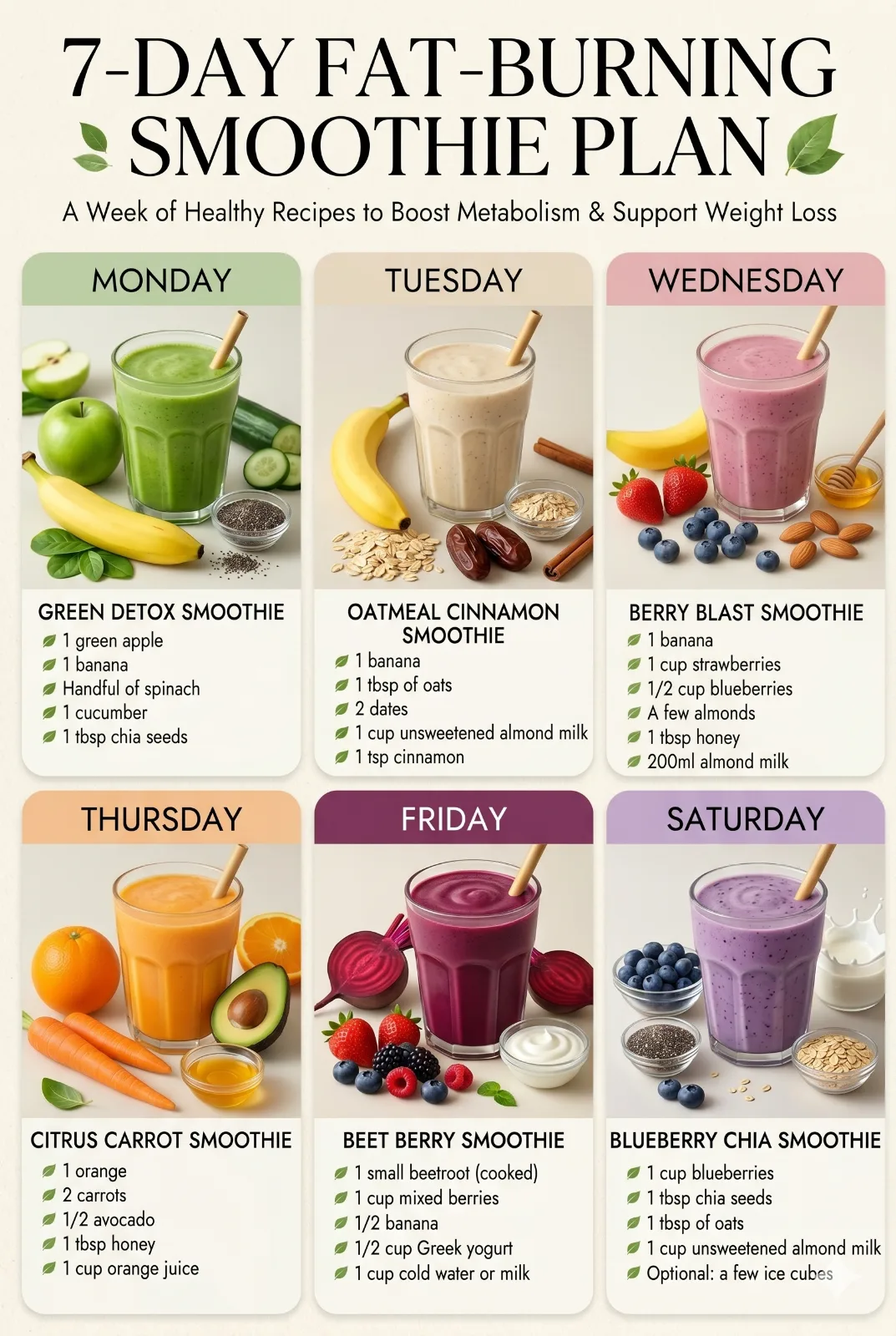
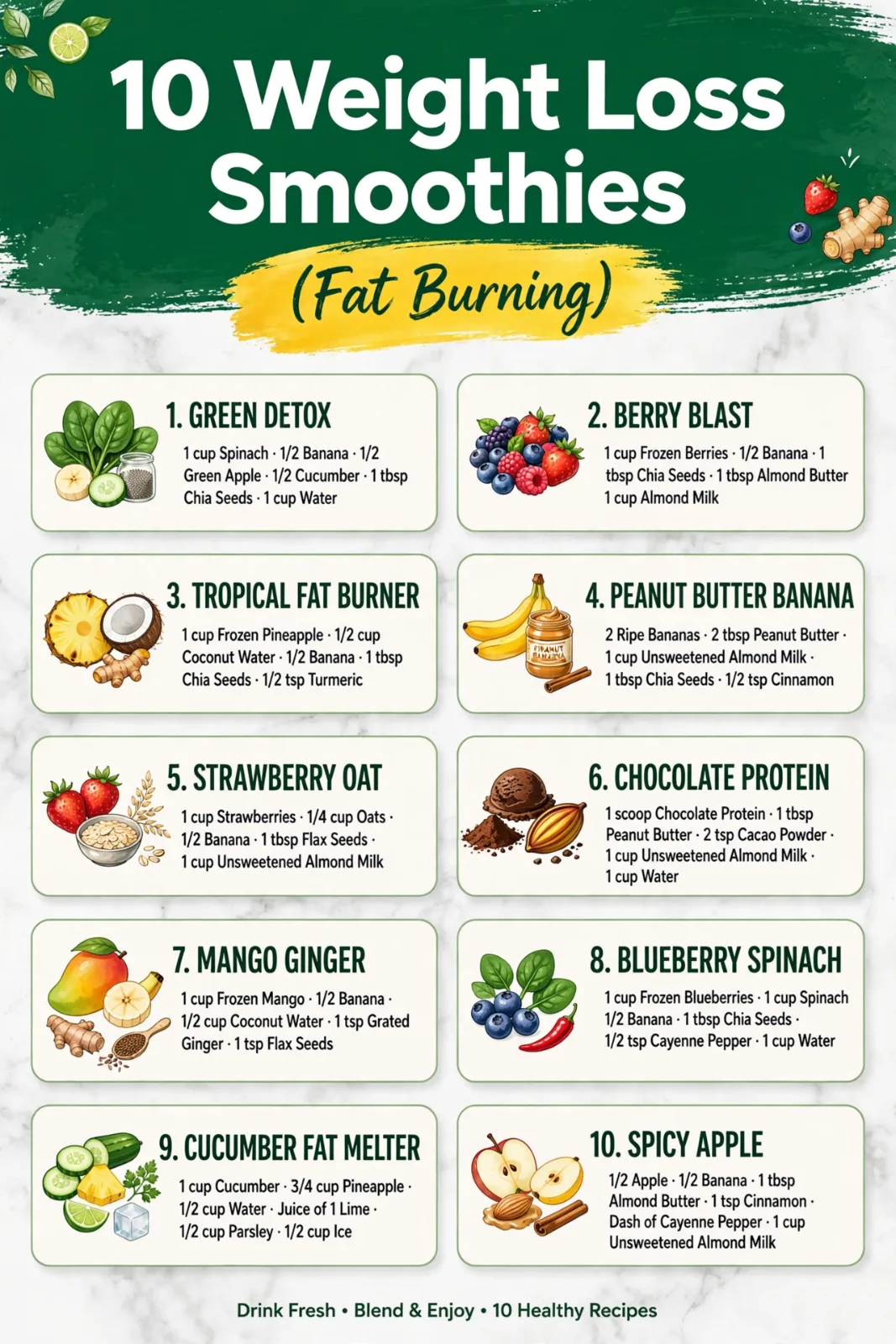
Green Detox Smoothie
Expert Blending Techniques & Equipment Guide
Getting a perfectly smooth green smoothie isn't just about tossing everything in and hitting the button—it's a bit of an art. The order in which you add ingredients to your blender actually matters. Start with the liquid (water or coconut water) at the bottom, then add the soft ingredients like spinach, banana, and cucumber, and finally the harder items like apple and chia seeds on top. This layering helps the blades catch and pull everything down, preventing air pockets and ensuring a consistent blend. If you're using a standard blender rather than a high-speed one, chop the apple and cucumber into smaller, uniform pieces to make the job easier. Another trick is to blend the spinach with the water first until it's completely liquified, then add the remaining ingredients. This guarantees no leafy bits sneak through.
When it comes to equipment, a high-speed blender like a Vitamix or Blendtec will give you the silkiest texture, but you don't need to break the bank. A regular countertop blender works fine if you follow the layering tip and blend a little longer. If you're working with a bullet-style blender, you may need to stop and shake it a few times to get everything incorporated. For an ultra-smooth result, consider straining the smoothie through a fine-mesh sieve or nut milk bag, though you'll lose some fiber. I usually don't bother because I like the thickness, but it's an option if you prefer a juice-like consistency. Also, don't overlook the power of a tamper—if your blender comes with one, use it to push ingredients down while blending. And always start on low speed and gradually increase to high to avoid splatters and ensure even blending.
Finally, think about temperature. Using frozen fruit or adding a handful of ice cubes can make your smoothie thicker and colder, which is especially refreshing on a hot day. But if you're using fresh fruit, you might want to chill your liquid beforehand. Just remember that ice can water down the flavor, so if you go that route, consider using frozen banana or frozen spinach instead. With these techniques, you'll achieve a smooth, lump-free drink every time.
Ingredients
- 1 cup fresh spinach
- 1/2 ripe banana
- 1/2 green apple, cored and chopped
- 1/2 cucumber, peeled if desired
- 1 tablespoon chia seeds
- 1 cup cold water
Instructions
- Wash and prepare all produce.
- Chop spinach, banana, green apple, and cucumber into smaller pieces.
- Add all ingredients into a blender.
- Blend until smooth.
- Serve fresh.
Storage, Meal Prep & Serving Suggestions
Let's talk about making this Green Detox Smoothie part of your weekly routine. The best way to enjoy it is fresh, but life gets busy, so a little prep goes a long way. I like to portion out the ingredients into freezer bags or containers on Sunday for the week ahead. Just add the spinach, banana, apple, cucumber, and chia seeds to each bag, seal, and freeze. When you're ready, dump the contents into your blender, add water, and blend. This saves time and ensures you have everything on hand. If you prefer fresh ingredients, you can chop everything and store them in an airtight container in the fridge for up to three days. Just know that the apple may brown slightly—a squeeze of lemon juice can help prevent that.
If you have leftover smoothie, pour it into a mason jar, fill it to the top to minimize air exposure, and seal tightly. It will keep in the fridge for up to 24 hours, though the color may dull and separation will occur. Just give it a good shake or stir before drinking. For longer storage, you can freeze the smoothie in ice cube trays or popsicle molds. Once frozen, transfer the cubes to a freezer bag and they'll last for up to three months. Blend the cubes with a little water or milk for an instant smoothie, or let them thaw overnight in the fridge. Frozen smoothie cubes are also great for adding to yogurt bowls or oatmeal.
As for serving, this smoothie is perfect as a quick breakfast, a post-workout refuel, or an afternoon snack. I love pouring it into a chilled glass and garnishing with a few chia seeds, a slice of green apple, or a sprig of mint. It pairs well with a light meal like a salad or a piece of whole-grain toast with avocado. If you're serving it to guests, consider offering it in small glasses as a refreshing appetizer. And don't forget—it's a fantastic way to get kids to eat their greens. You can even freeze it into popsicles for a healthy summer treat.
Additional Frequently Asked Questions
Can I use other greens instead of spinach?
Absolutely! Spinach is mild and blends easily, but you can swap it for kale, Swiss chard, romaine, or even arugula. Keep in mind that stronger greens like kale and arugula have a more pronounced flavor, so you may want to balance them with extra banana or apple. If you use kale, remove the stems as they can be tough and fibrous. Swiss chard is a great middle-ground option with a slightly earthy taste. Romaine is very mild and adds a lovely light green color. Just remember that different greens have different nutritional profiles, so you'll be getting a slightly different vitamin and mineral mix—but all are healthy choices.
Is this smoothie okay for people with diabetes?
This smoothie can be part of a diabetes-friendly diet, but portion control and ingredient choices matter. The banana and apple contain natural sugars, which can affect blood sugar. However, the fiber from spinach, chia seeds, and the fruit helps slow down sugar absorption. To make it even more blood-sugar-friendly, use a green apple (which is lower in sugar than red), reduce the banana to a quarter, and add more cucumber or spinach. You could also add a source of protein like Greek yogurt or a scoop of protein powder to further stabilize blood sugar. As always, consult with your healthcare provider or dietitian to see how it fits into your individual plan.
Can I add protein powder to this smoothie?
Definitely! Adding a scoop of protein powder is a great way to boost the protein content and make it a more complete meal. Vanilla or unflavored protein powder works best as it won't overpower the green flavors. Plant-based options like pea, hemp, or brown rice protein are excellent choices. If you use a flavored protein powder, you might want to skip the banana or reduce it to avoid too much sweetness. You can also add Greek yogurt, cottage cheese, or silken tofu for a protein boost without powder. Just blend until smooth and enjoy.
How often can I drink this Green Detox Smoothie?
You can enjoy this smoothie daily as part of a balanced diet. It's a fantastic way to increase your intake of fruits and vegetables. However, variety is key—rotate your greens and fruits to ensure you're getting a wide range of nutrients. Some people like to have it for breakfast every day, while others use it as a snack or post-workout drink. Just be mindful of your overall calorie and sugar intake if you're watching your weight or blood sugar. As with any food, moderation and variety are important.
What can I do if my smoothie is too thick or too thin?
If your smoothie is too thick, simply add more liquid—water, coconut water, or plant-based milk—a little at a time until you reach your desired consistency. If it's too thin, add more frozen fruit, ice, or a thickening agent like chia seeds, flaxseed meal, or a spoonful of oats. You can also add half an avocado for creaminess and healthy fats. Remember that the consistency will also depend on the water content of your fruits and vegetables, so adjust as needed. Taste and adjust sweetness with a date, a drizzle of honey, or a few drops of stevia if needed.
Can I make this smoothie without a blender?
While a blender is the most efficient tool, you can make a version of this smoothie without one. You could use a food processor, though the texture may be slightly less smooth. If you only have a hand blender, you can blend the ingredients in a deep bowl or pitcher, moving the blender around to incorporate everything. Another option is to finely grate the apple and cucumber, mash the banana, and finely chop the spinach, then whisk everything together with water and chia seeds. It won't be as smooth, but it will still be nutritious and tasty. For a truly smooth texture without a blender, you could juice the ingredients and then stir in chia seeds, but you'll lose the fiber from the pulp.