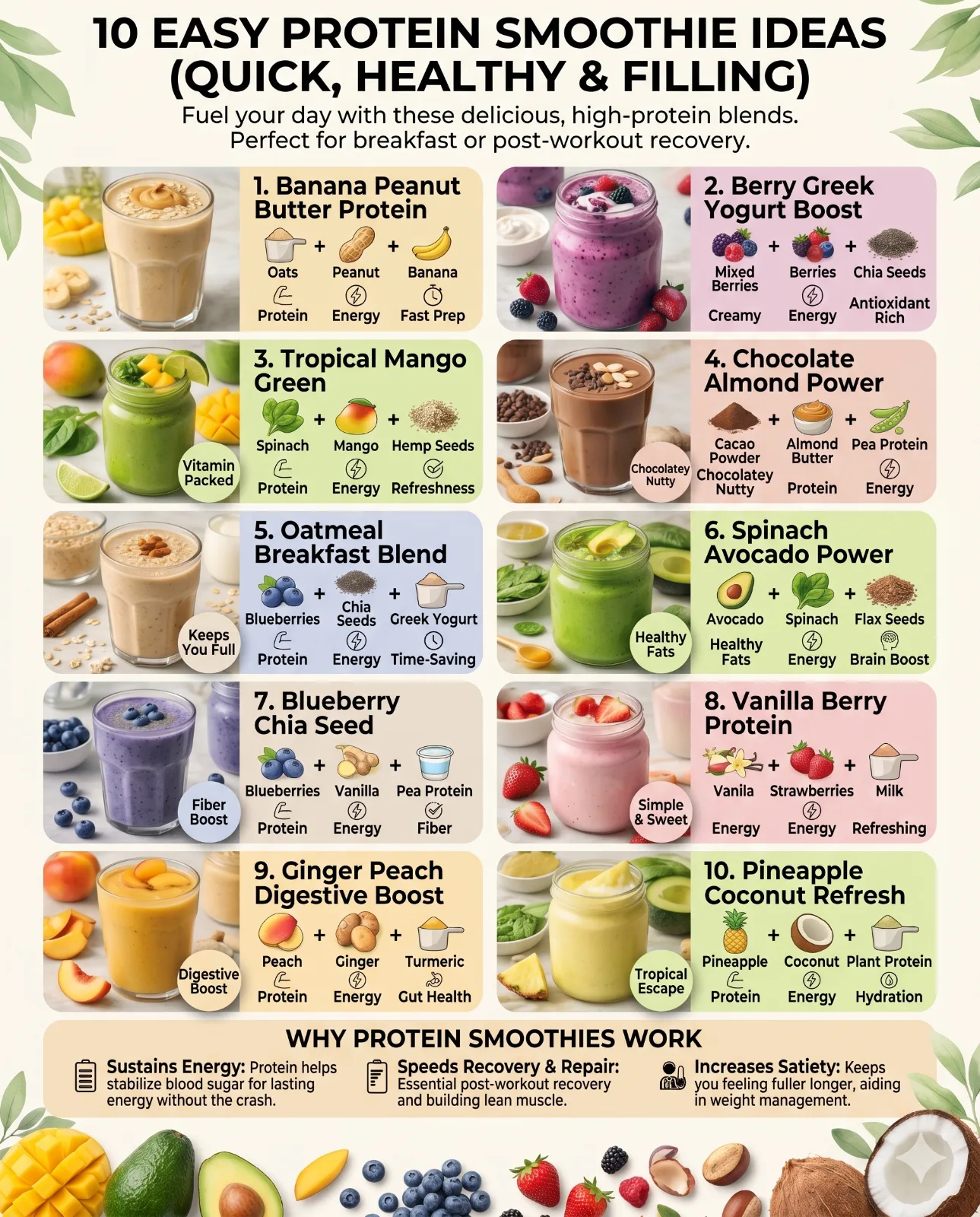
Mango Tango Tropical Smoothie
Nutritional Deep Dive & Health Benefits
Let's really dig into what makes the Mango Tango such a nutritional powerhouse, because this isn't just another pretty smoothie—it's a genuine wellness ally. Mango, the star of the show, delivers an impressive dose of vitamin C. A single cup of mango can provide well over half of your daily recommended intake, which means every sip is helping to fortify your immune system and support your body's natural defenses. But vitamin C isn't just about fighting off colds; it's also a key player in collagen synthesis, the process that keeps your skin firm, elastic, and glowing. That's why I often call this my "glow smoothie"—it genuinely shows up in your complexion over time.
Beyond vitamin C, mango brings a healthy serving of vitamin A in the form of beta-carotene. This fat-soluble vitamin is essential for vision, skin health, and even reproductive health. Beta-carotene also acts as an antioxidant, helping to neutralize free radicals that can damage cells and contribute to premature aging. If you're someone who spends a lot of time outdoors or just wants to protect your skin from the inside out, mango is your friend.
The banana in this recipe isn't just a thickening agent—it's a nutritional workhorse. Bananas are famous for potassium, a mineral that helps regulate blood pressure and supports healthy muscle and nerve function. After a workout, that potassium can help prevent cramps and replenish electrolytes lost through sweat. Bananas also contain vitamin B6, which plays a role in brain development and mood regulation, and magnesium, which can help you relax and sleep better. Plus, the fiber in bananas feeds the good bacteria in your gut, promoting digestive health and regularity.
Coconut water is often overlooked, but it's a hydration hero. It's naturally low in calories and contains electrolytes like potassium, sodium, and magnesium in a balance that's remarkably similar to what your body needs. This makes it an excellent choice for rehydration after exercise or on a hot day. Unlike sports drinks, coconut water has no added sugars or artificial colors, so you're getting pure, natural hydration. It also contains cytokines, which are small proteins that can help reduce inflammation and support overall wellness.
Finally, the lime juice. That small but mighty addition adds a burst of vitamin C and antioxidants. Limes contain compounds called flavonoids that have been studied for their potential to support heart health and even fight certain types of cancer. The tangy flavor also helps cut through the sweetness of the mango and banana, balancing the smoothie perfectly. Plus, the acidity of lime can help your body absorb iron from other foods, making it a smart addition to any meal.
When you combine all these ingredients, you get a smoothie that supports immunity, hydration, skin health, digestion, and energy levels. It's the kind of drink that makes you feel good from the inside out, and it tastes like a tropical getaway. Whether you're starting your day, refueling after a workout, or just craving something sweet and refreshing, the Mango Tango delivers on all fronts.
Ingredients
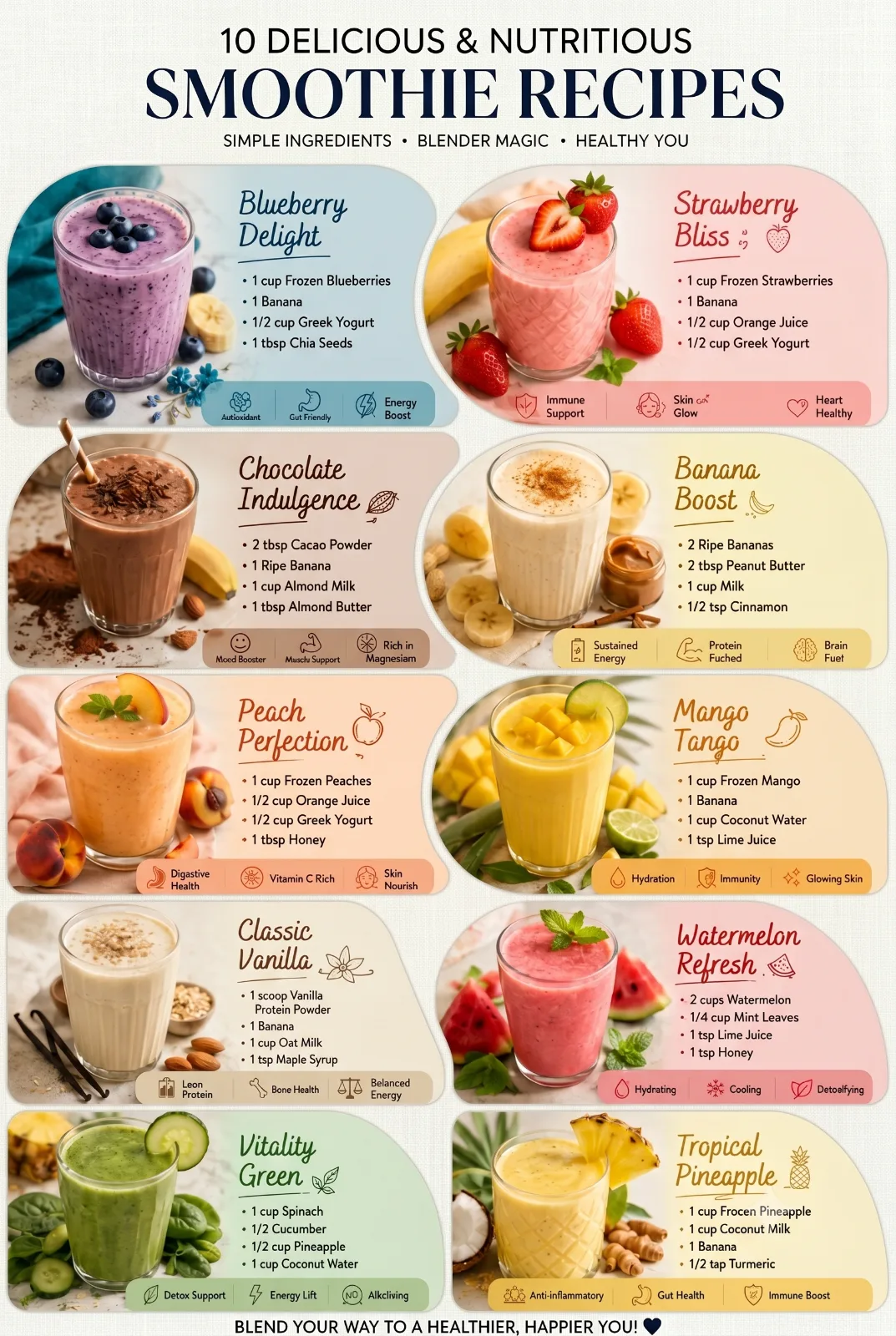
- 1 cup frozen mango chunks
- 1 ripe banana
- 1 cup coconut water
- 1 teaspoon fresh lime juice
Instructions
- Combine frozen mango, banana, coconut water, and lime juice in a blender.
- Blend until smooth and creamy.
- Serve chilled.
Expert Blending Techniques & Equipment Guide
Blending a smoothie might seem straightforward, but there's an art to getting that perfect creamy, lump-free texture. Over the years, I've picked up a few tricks that can take your Mango Tango from good to extraordinary. First, let's talk about your blender. A high-powered blender like a Vitamix or Blendtec is a game-changer—it can pulverize frozen fruit into a silky smooth consistency in seconds. But you don't need a top-of-the-line machine to make a great smoothie. A standard blender works just fine if you follow a few simple techniques.
The order in which you add ingredients matters. Always start with the liquid—in this case, coconut water—at the bottom of the blender. This helps create a vortex that pulls the solid ingredients down toward the blades. Next, add the softer ingredients like banana and lime juice, and finally the frozen mango on top. This layering ensures that everything gets incorporated evenly and prevents the blades from getting stuck.
If you're using a standard blender, pulse a few times first to break up the frozen chunks, then blend on high until smooth. You might need to stop and scrape down the sides with a spatula once or twice. Be patient—over-blending can actually warm up the smoothie, so aim for just enough time to get it creamy. If your blender struggles, add a little extra coconut water, one tablespoon at a time, until it moves freely.
For an extra-smooth texture, consider soaking your banana before blending. Wait, what? Yes, you read that right. Soaking a peeled banana in water for about 10 minutes can help remove some of the stringy fibers and make it blend more smoothly. It's a trick I learned from a chef friend, and it really does make a difference. Alternatively, you can use a frozen banana, which blends into a creamy, ice-cream-like consistency.
If you're making a green smoothie variation with spinach or kale, blend the greens with the coconut water first until they're completely broken down. This ensures you don't end up with leafy bits in your final drink. Then add the remaining ingredients and blend again. Your smoothie will be a beautiful green color and packed with even more nutrients.
Finally, don't forget about your blender's settings. Many modern blenders have a "smoothie" button that automatically adjusts speed and time for optimal results. If yours doesn't, start on low and gradually increase to high. And always make sure the lid is securely on—trust me, you don't want a mango explosion on your ceiling!
Storage, Meal Prep & Serving Suggestions
One of the best things about the Mango Tango is how easy it is to prepare ahead of time. Life gets busy, and having a healthy breakfast or snack ready to go can be a lifesaver. Here's how to make it work for your schedule.
For meal prep, I like to portion out the frozen mango and banana into individual zip-top bags or reusable containers. I'll add the lime juice to the bag as well, and sometimes even a handful of spinach if I'm planning a green version. Then I store these smoothie packs in the freezer. When I'm ready to blend, I just dump the contents into the blender, add coconut water, and blend. It takes less than a minute, and there's no measuring or chopping required. This is especially handy for busy weekday mornings when every second counts.
If you prefer to blend a larger batch and store it, you can do that too. Pour the smoothie into an airtight container—a mason jar works great—and store it in the refrigerator for up to 24 hours. Before drinking, give it a good shake or stir, as separation is natural. You can also freeze the blended smoothie in ice cube trays or freezer-safe containers for longer storage. When you're ready to enjoy, let it thaw slightly and re-blend, or simply eat it with a spoon like sorbet. Frozen smoothie cubes are also perfect for adding to future smoothies to keep them cold without diluting the flavor.
When it comes to serving, the Mango Tango is delicious straight up, but you can also get creative. Pour it into a glass and garnish with a lime wedge, a sprinkle of shredded coconut, or a few fresh mango chunks. For a fancy presentation, rim the glass with a mixture of sugar and lime zest. If you're making it for a crowd, set up a smoothie bar with toppings like granola, chia seeds, sliced bananas, and berries, and let everyone customize their own.
This smoothie also makes a fantastic base for a smoothie bowl. Pour it into a bowl and top with sliced fruit, nuts, seeds, and a drizzle of honey or nut butter. It's a filling and Instagram-worthy breakfast that feels indulgent but is actually good for you. You can also use it as a post-workout recovery drink—the electrolytes from coconut water and the natural sugars from fruit help replenish your energy stores and rehydrate your body.
For a refreshing twist, try freezing the smoothie mixture into popsicles. It's a great way to get kids to eat more fruit, and they make a healthy summer treat. Simply pour the blended smoothie into popsicle molds, insert sticks, and freeze until solid. You can also layer it with yogurt or other fruit purees for a striped effect.
Additional Frequently Asked Questions
Can I make this smoothie without a blender?
While a blender is the ideal tool for achieving a smooth, creamy texture, you can make a version of this smoothie without one. If you have a food processor, that can work—just be prepared to scrape down the sides frequently. Alternatively, you can mash the banana and mango with a fork until smooth, then whisk in the coconut water and lime juice. The texture will be more like a thick juice than a smoothie, but it will still taste delicious. For a truly smooth result, though, a blender is your best bet.
Is this smoothie suitable for kids?
Absolutely! Kids generally love the sweet, tropical flavor of the Mango Tango. It's a great way to sneak in extra fruit and hydration. If you're concerned about sugar, remember that the sweetness comes entirely from whole fruit, which also provides fiber and nutrients. You can even pour it into popsicle molds for a fun, healthy treat. Just be mindful of portion sizes for younger children, and always supervise them while drinking.
What can I use instead of coconut water?
If you're not a fan of coconut water or don't have it on hand, you can substitute with regular water, almond milk, oat milk, or even orange juice. Each will change the flavor slightly. Water will make it more neutral, almond milk will add a creamy nuttiness, and orange juice will amplify the tropical citrus notes. For a thicker smoothie, try Greek yogurt or a plant-based yogurt alternative. Just adjust the liquid amount to reach your desired consistency.
How ripe should the banana be?
The riper the banana, the sweeter and creamier your smoothie will be. I recommend using a banana with plenty of brown spots—that's when the natural sugars are at their peak and the texture is softest. If your banana is still green, the smoothie will be less sweet and may have a slightly chalky texture. You can compensate by adding a drizzle of honey or maple syrup, or by using a sweeter variety of mango. Frozen bananas that have been sliced and frozen when ripe are also an excellent choice.
Can I add protein powder to this smoothie?
Yes, absolutely. Adding a scoop of protein powder is a great way to turn this smoothie into a more substantial meal or post-workout recovery drink. Vanilla or unflavored protein powder works best, as it won't clash with the tropical flavors. You can also use collagen peptides for skin health, or a plant-based protein like pea or hemp protein. If you're using a flavored protein powder, taste as you go and adjust the sweetness if needed. Keep in mind that adding protein powder may thicken the smoothie, so you might need a little extra coconut water to get the right consistency.
How can I make this smoothie even healthier?
There are plenty of ways to boost the nutritional profile of your Mango Tango. Add a handful of spinach or kale for extra vitamins and minerals. Throw in a tablespoon of chia seeds or flaxseeds for omega-3 fatty acids and fiber. A spoonful of Greek yogurt or cottage cheese adds protein and probiotics. You can also add a pinch of turmeric or ginger for anti-inflammatory benefits. Just remember that each addition will slightly alter the flavor, so experiment to find your perfect combination.
Can I use frozen banana instead of fresh?
Yes, frozen banana works beautifully in this recipe. In fact, using frozen banana along with frozen mango creates an extra thick and creamy texture that's almost like soft-serve ice cream. Just slice your ripe bananas, freeze them on a baking sheet, and then transfer to a freezer bag. When you're ready to make your smoothie, simply toss the frozen banana slices into the blender. You may need to add a little more coconut water to get things moving, but the result is well worth it.
With these tips and variations, you're well on your way to mastering the Mango Tango. It's a versatile, nourishing, and utterly delicious smoothie that fits seamlessly into a healthy lifestyle. Whether you're a seasoned smoothie pro or just starting out, this recipe is sure to become a favorite. So grab your blender and let's get tangoing!