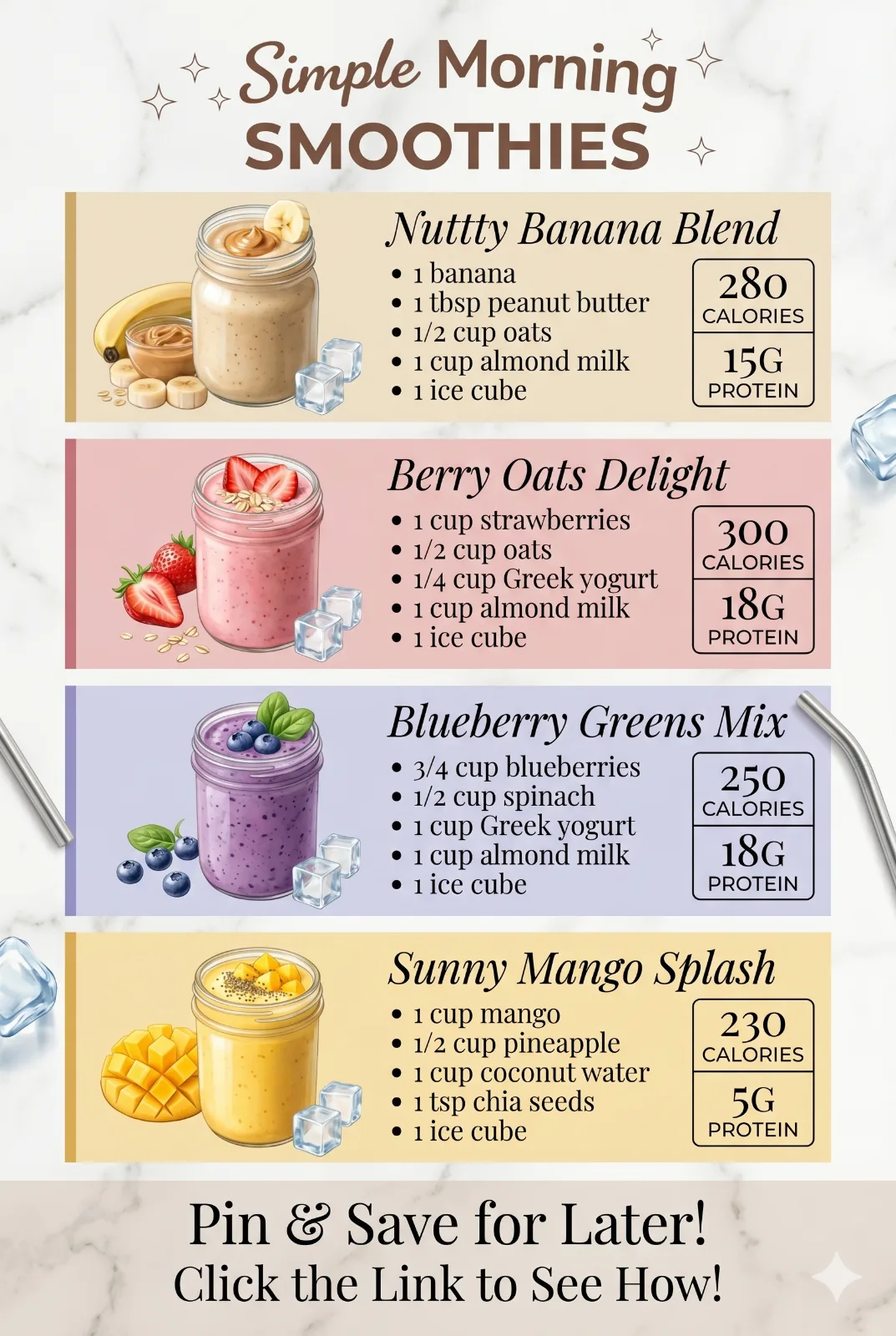
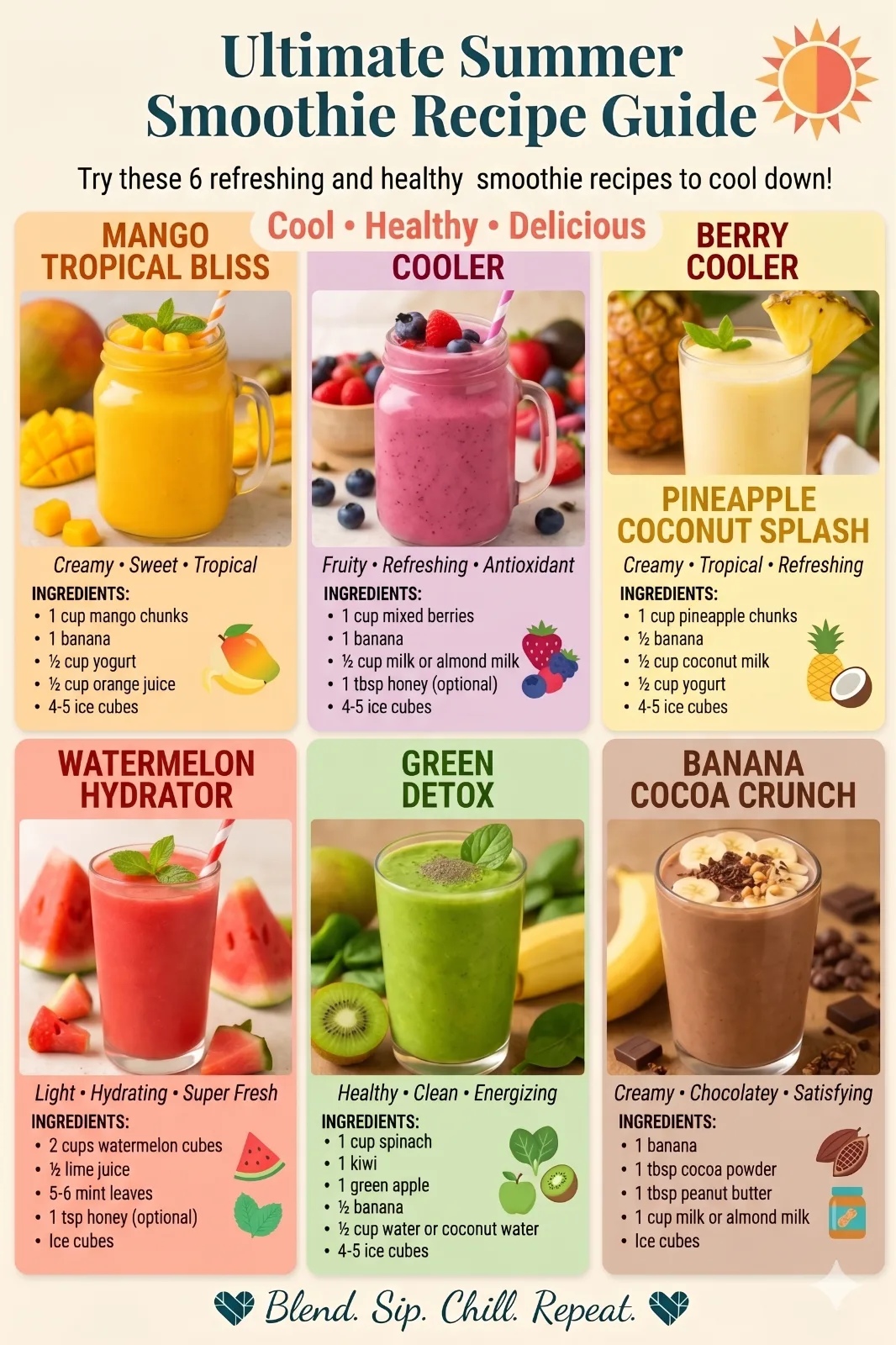
Mango Tropical Bliss Smoothie
Ingredients
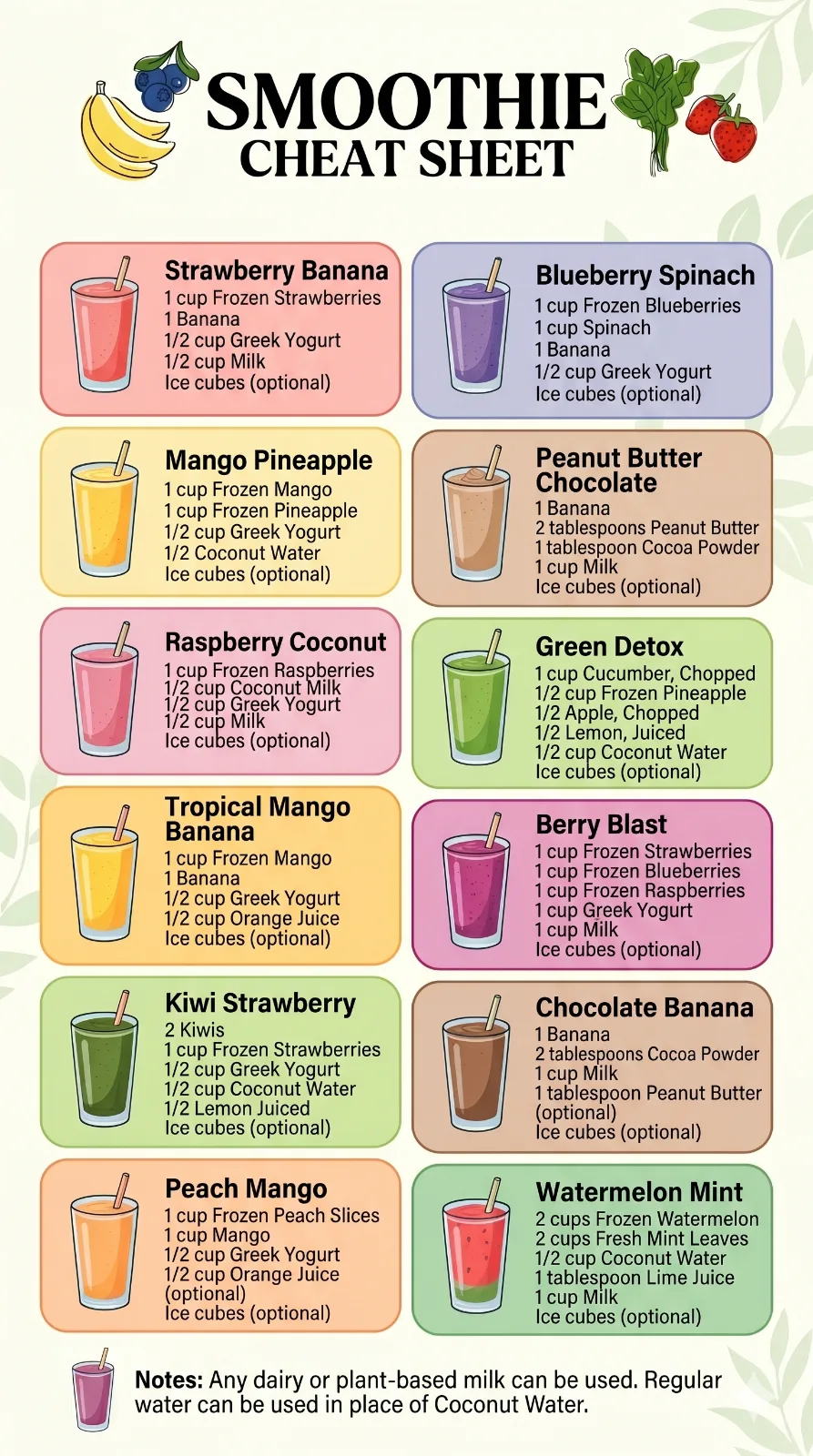
- 1 cup mango chunks (fresh or frozen)
- 1 banana (ripe, preferably frozen for extra creaminess)
- 1/2 cup yogurt (Greek or regular, plain or vanilla)
- 1/2 cup orange juice (freshly squeezed or store-bought)
- 4-5 ice cubes
Instructions
- Add 1 cup mango chunks and 1 banana to the blender.
- Pour in 1/2 cup yogurt and 1/2 cup orange juice.
- Add 4-5 ice cubes.
- Blend until smooth and creamy, scraping down the sides if needed.
- Serve immediately in chilled glasses.
Nutritional Deep Dive & Health Benefits
Let’s talk about what’s actually in this gorgeous glass of sunshine. Mangoes are the star here, and they bring a lot more than just sweetness. One cup of mango chunks delivers over 60% of your daily vitamin C, which is a big win for your immune system and skin health. Vitamin C also helps your body absorb iron, so if you’re pairing this smoothie with an iron-rich meal later, you’re setting yourself up for better nutrient uptake. Mangoes also contain vitamin A (as beta-carotene), which supports vision and skin repair. That bright orange-yellow color? That’s your cue that beta-carotene is present.
Bananas add a creamy texture and a dose of potassium—about 400 mg per medium banana. Potassium is an electrolyte that helps regulate blood pressure and muscle function. If you’re active or just trying to stay hydrated, this is a friendly mineral to have on your side. Bananas also bring vitamin B6, which plays a role in brain development and mood regulation. Plus, their natural sugars (glucose, fructose, and sucrose) provide quick energy without a crash, especially when balanced with the protein and fat from yogurt.
Speaking of yogurt, that 1/2 cup is doing heavy lifting. It adds probiotics for gut health, protein for satiety, and calcium for strong bones. If you use Greek yogurt, you’ll get even more protein—around 10-12 grams per half cup. That protein helps slow down the absorption of the fruit sugars, keeping your blood sugar steadier and keeping you full longer. The orange juice contributes additional vitamin C and folate, plus a little natural sweetness that ties everything together.
The ice cubes? They’re not just for chill—they add volume and a frosty texture without diluting the flavor too much. The result is a smoothie that’s thick enough to eat with a spoon but drinkable enough to sip through a straw.
One more thing: the combination of mango, banana, and orange juice creates a fiber-rich drink. Fiber from whole fruit (especially if you use fresh mango and banana) supports digestive health and helps you feel satisfied. If you blend with frozen fruit instead of ice, you’ll retain even more fiber since you’re using the whole fruit. Either way, this smoothie is a nutritional powerhouse disguised as a tropical treat.
Tips and Variations
I’ve made this Mango Tropical Bliss more times than I can count, and I’ve picked up a few tricks along the way. First, the ripeness of your fruit matters. A perfectly ripe banana (with a few brown spots) will make your smoothie naturally sweeter without added sugar. If your mango is a little underripe, you might want to add a teaspoon of honey or maple syrup—but taste it first, because ripe mangoes are incredibly sweet on their own.
Texture is everything. If you want a thicker, creamier smoothie, use frozen mango chunks and a frozen banana instead of ice cubes. That way you get the chill without watering down the flavor. If you only have fresh fruit, add the ice as written, but blend it first to crush the ice before adding the rest—this prevents icy pockets.
For a dairy-free version, swap the yogurt for coconut yogurt or a scoop of vanilla plant-based protein powder. The coconut yogurt adds a subtle tropical note that pairs beautifully with mango. If you’re using protein powder, you might need an extra splash of orange juice or water to get the right consistency.
Want to sneak in some veggies? A handful of fresh spinach will turn the color green, but the tropical flavors will still shine. If you’re worried about the color, use a light-colored veggie like cauliflower rice or peeled zucchini—they blend into oblivion and add fiber and nutrients without changing the taste.
Feel free to play with the liquid. Orange juice is classic, but pineapple juice, coconut water, or even almond milk work great. Coconut water adds electrolytes and a subtle nutty sweetness. Pineapple juice makes it even more tropical. And if you want a creamier, less tangy version, use milk instead of juice.
Spice it up: a pinch of ground ginger, a dash of cinnamon, or a squeeze of fresh lime can elevate the flavor. Lime juice, in particular, brightens the mango and makes the whole drink taste fresher. A few fresh mint leaves blended in give it a mojito-like vibe.
Finally, meal prep friendly: portion the mango, banana, and yogurt into freezer bags or containers. When you’re ready, just dump, add liquid, and blend. It’s a game-changer for busy mornings.
FAQ
Can I make this Mango Tropical Bliss without yogurt?
Absolutely. If you’re dairy-free or just don’t have yogurt on hand, you can substitute with coconut yogurt, almond yogurt, or a scoop of plant-based protein powder. For a creamier texture without yogurt, try adding half an avocado or a tablespoon of chia seeds soaked in water. The avocado adds healthy fats and makes it ultra-smooth, while chia seeds add fiber and omega-3s. Just note that the flavor will be slightly different—still delicious, just less tangy.
Is this smoothie good for weight loss?
It can be, depending on your overall diet and portion sizes. This smoothie is nutrient-dense and provides fiber, protein, and natural sugars. For weight loss, focus on portion control and use plain Greek yogurt (higher protein) and fresh fruit instead of juice. You can also reduce the banana to half and add more ice or frozen cauliflower for volume. The protein and fiber help keep you full, which can prevent snacking later. Just be mindful that fruit sugars add up, so if you’re tracking calories, adjust accordingly.
Can I use frozen mango and banana?
Yes, and I actually prefer it! Frozen fruit makes the smoothie thicker and creamier without needing ice. If you use frozen mango and banana, you can skip the ice cubes entirely or reduce them to 1-2. You might need to add a little extra liquid (a splash more orange juice or water) to get the blender going. The flavor is just as vibrant, and the texture is even better—like a soft-serve consistency.
How do I make this smoothie ahead of time?
You can prep the ingredients ahead by portioning the mango, banana, and yogurt into freezer-safe bags or containers. When you’re ready to drink, empty the bag into the blender, add the orange juice and ice, and blend. If you want to make the smoothie itself ahead, pour it into a mason jar, seal it, and refrigerate for up to 24 hours. Give it a good shake or stir before drinking, as separation is natural. For longer storage, pour into ice cube trays and freeze, then re-blend with a little liquid when you want a quick smoothie.
What can I add to make it more filling?
To make this Mango Tropical Bliss more satiating, add a scoop of vanilla protein powder, a tablespoon of nut butter (almond or peanut works great), or a quarter cup of rolled oats. Nut butter adds healthy fats and protein, while oats add fiber and slow-digesting carbs. You can also add a tablespoon of flaxseed or chia seeds for extra fiber and omega-3s. If you’re using protein powder, you might want to reduce the yogurt to 1/4 cup to avoid an overly thick consistency. Taste and adjust liquid as needed.