Strawberry Oat Smoothie
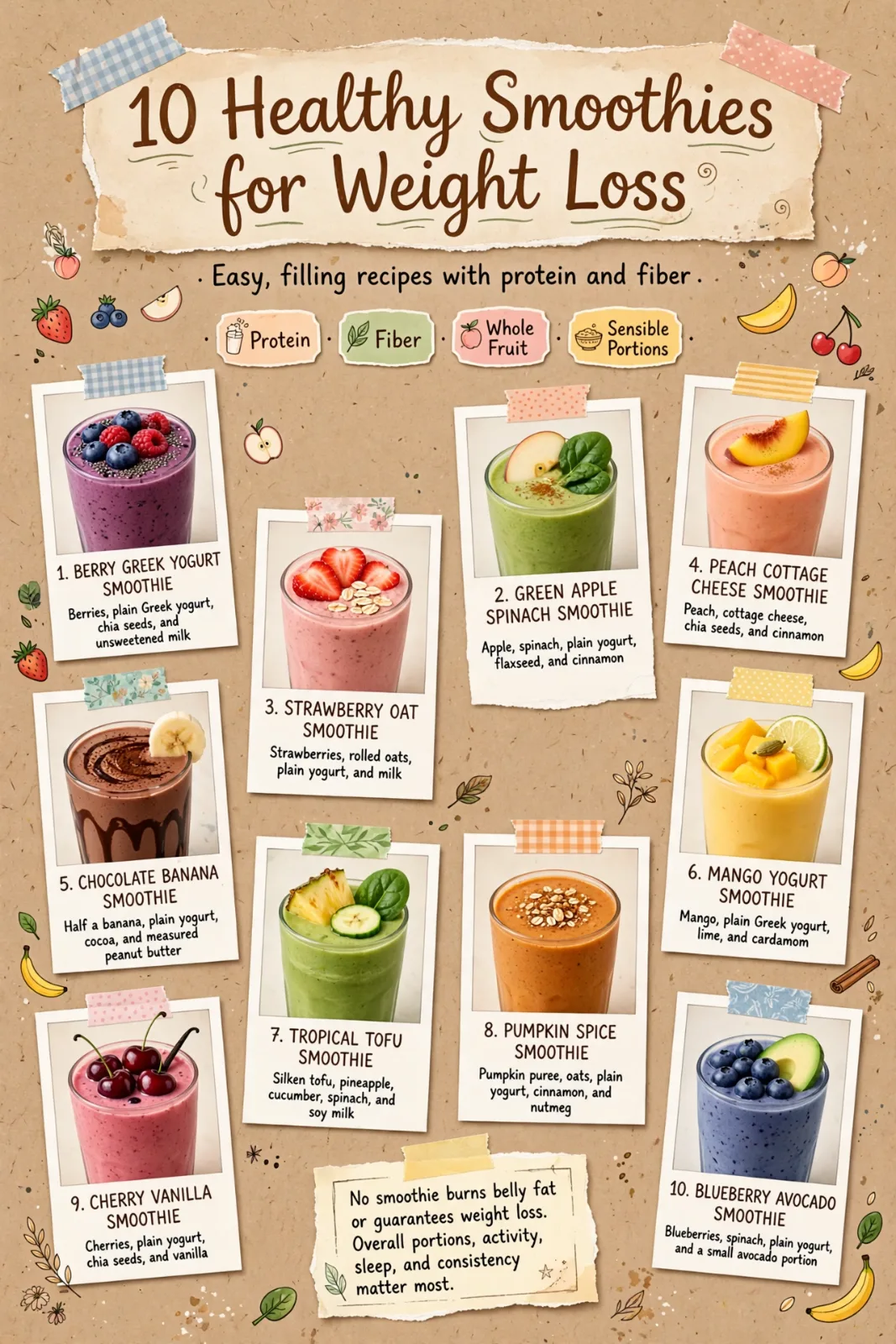
I first whipped this up on a hectic morning when I needed something quick but substantial. The combination of juicy strawberries, hearty oats, and cool yogurt turned into a velvety pink dream that tasted like a strawberry milkshake but with a wholesome twist. Now it’s a staple in my weekly rotation, and I’m excited to share it with you.
Ingredients
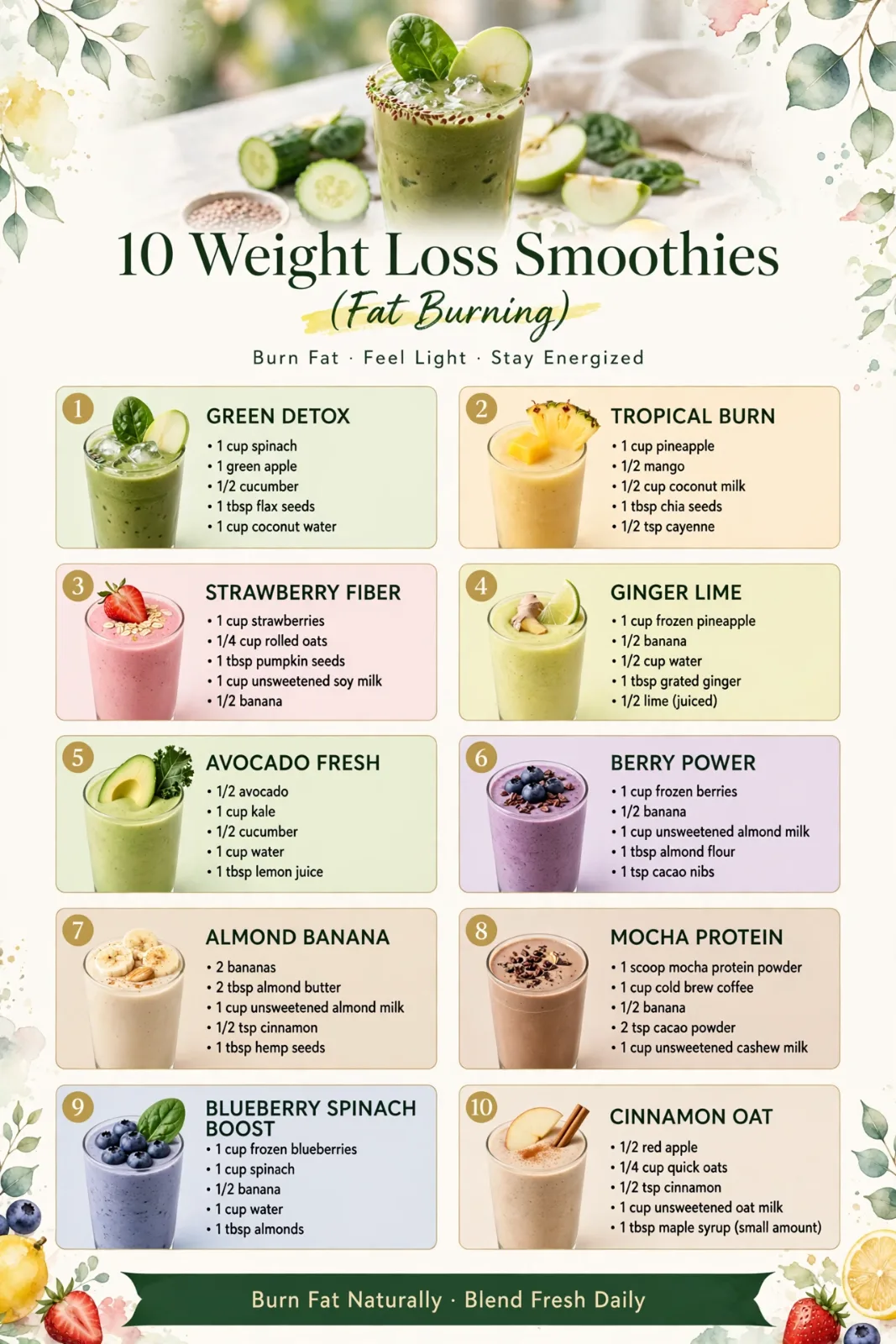
- 1 cup strawberries
- 1/4 cup rolled oats
- 1 cup plain yogurt
- 1 cup milk
Instructions
- Add strawberries, rolled oats, plain yogurt, and milk to a blender.
- Blend until smooth and creamy.
- Serve immediately.
Nutritional Deep Dive & Health Benefits
Let’s break down why this smoothie is more than just a pretty pink drink. Each ingredient brings its own nutritional superpowers, and together they create a balanced powerhouse.
**Strawberries** are the star here, offering a generous dose of vitamin C—one cup provides over 100% of your daily requirement. This antioxidant vitamin supports immune function and collagen production for healthy skin. Strawberries also contain anthocyanins, the pigments responsible for their red color, which have anti-inflammatory properties and may help protect against heart disease. Plus, they’re low in calories but high in fiber and water, keeping you hydrated and satisfied.
**Rolled oats** are a whole grain that adds complex carbohydrates and beta-glucan, a type of soluble fiber. Beta-glucan has been shown to lower cholesterol levels and stabilize blood sugar, preventing those mid-morning crashes. Oats also provide a steady release of energy, making this smoothie ideal for busy mornings or pre-workout fuel. They contribute a subtle nutty flavor and a thick, creamy texture that makes the smoothie feel like a meal.
**Plain yogurt** (I recommend Greek for extra protein) is a probiotic powerhouse. The live cultures support gut health, which in turn boosts immunity and even mood. Yogurt also delivers calcium for strong bones, potassium for healthy blood pressure, and protein to keep you full. If you’re dairy-free, a plant-based yogurt works beautifully too.
**Milk** (dairy or unsweetened plant milk) adds creaminess and additional protein and calcium. If you use fortified plant milk, you’ll also get vitamin D and B12, which are essential for energy and bone health.
Together, this smoothie provides a balanced mix of protein, fiber, healthy fats, and carbohydrates. It’s a complete package that supports digestion, heart health, and sustained energy. I love that it’s naturally sweetened—no added sugar needed—so you can feel good about every sip.
Tips and Variations
One of the best things about this recipe is how adaptable it is. Here are some of my favorite tips and twists to make it your own:
- **Frozen fruit for a thicker texture:** Use frozen strawberries instead of fresh for a frostier, milkshake-like consistency. If you only have fresh, add a handful of ice cubes.
- **Soak your oats:** If you have a high-speed blender, you can toss the oats in directly. But if your blender is less powerful, soak the oats in the milk for 10 minutes before blending. This softens them and ensures a smooth, grit-free drink.
- **Boost the protein:** Add a scoop of vanilla protein powder, a tablespoon of chia seeds, or swap the yogurt for Greek yogurt. This turns it into a post-workout recovery shake.
- **Make it vegan:** Use unsweetened almond, oat, or soy milk and a plant-based yogurt like coconut or almond yogurt. The result is just as creamy.
- **Change the fruit:** While strawberries are classic, you can substitute any berry—blueberries, raspberries, or a mixed berry blend. Each brings its own unique color and flavor.
- **Add a hidden veggie:** A handful of spinach or half a small avocado will blend right in without altering the taste. Spinach adds iron, and avocado adds healthy fats for extra creaminess.
- **Spice it up:** A dash of cinnamon or vanilla extract enhances the natural sweetness and adds warmth. A pinch of salt can also balance the flavors.
- **Sweeten naturally:** If your strawberries are tart, add a pitted Medjool date, a drizzle of honey, or a splash of maple syrup. Taste first—you might not need any.
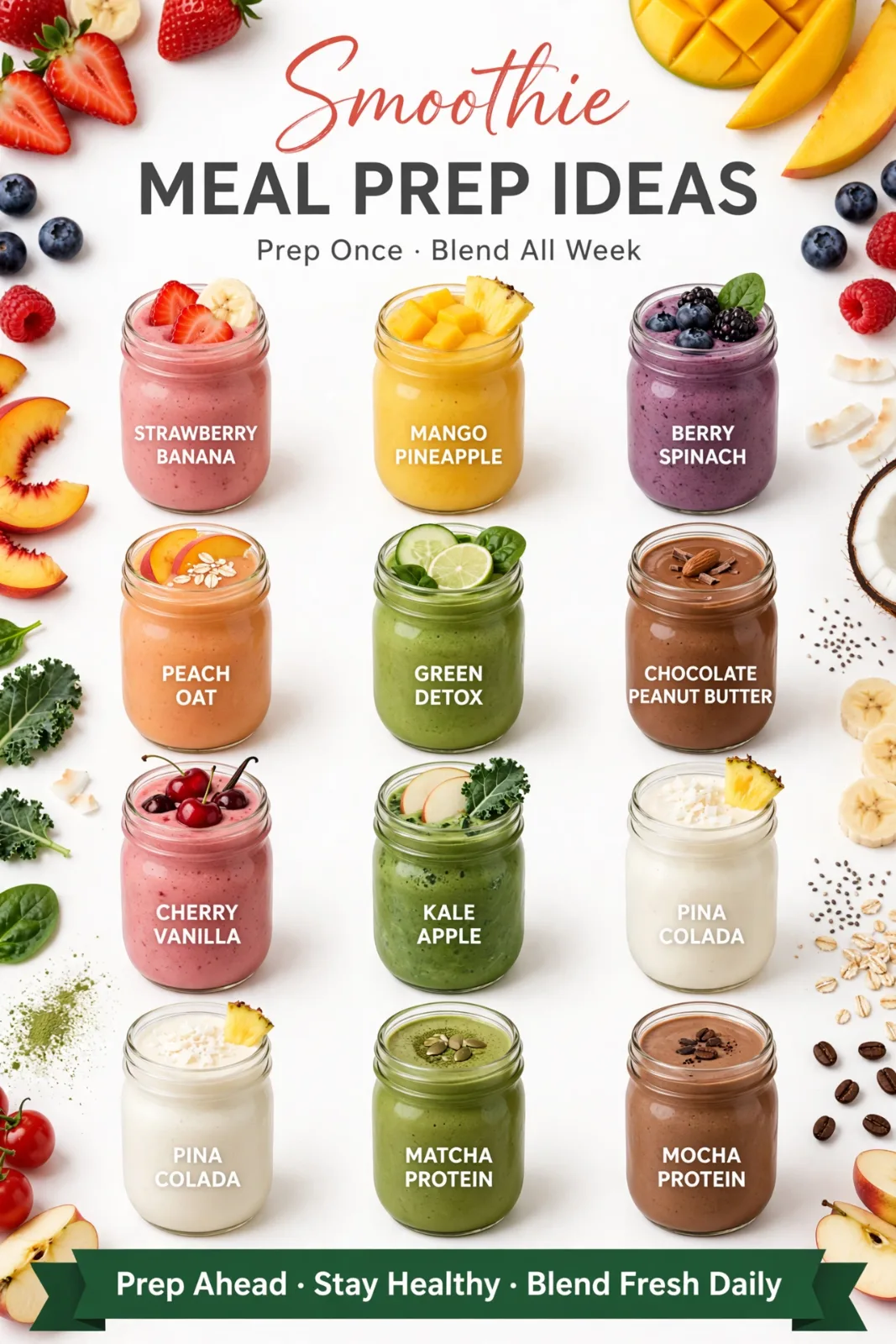
- **Meal prep:** Portion the strawberries, oats, and yogurt into freezer bags or containers. In the morning, just dump the contents into the blender with milk and blend. Breakfast is ready in 60 seconds.
- **Topping ideas:** Pour into a bowl and top with sliced strawberries, a sprinkle of granola, or a drizzle of nut butter for a smoothie bowl.
FAQ
Can I make this smoothie ahead of time?
Yes, you can prep the ingredients ahead, but for the best texture and flavor, I recommend blending it fresh. However, if you need to make it in advance, blend it and store it in an airtight jar in the fridge for up to 24 hours. Give it a good shake or stir before drinking, as separation is natural. For longer storage, pour into ice cube trays and freeze, then re-blend with a splash of milk when ready to enjoy.
Is this smoothie gluten-free?
Oats are naturally gluten-free, but they are often processed in facilities that also handle wheat, so cross-contamination can occur. If you have celiac disease or a gluten sensitivity, be sure to use certified gluten-free oats. The other ingredients—strawberries, yogurt, and milk—are typically gluten-free, but always check labels on flavored yogurts or plant milks.
Can I use quick oats or steel-cut oats instead of rolled oats?
Rolled oats are ideal because they blend into a smooth texture and have a mild flavor. Quick oats work too but may make the smoothie slightly thinner. Steel-cut oats are too hard and won’t blend well unless you soak them overnight and even then, they may remain gritty. For the best results, stick with rolled oats or quick oats.
How can I make this smoothie without a high-speed blender?
If your blender isn’t very powerful, start by blending the oats and milk first until they’re mostly broken down. Then add the strawberries and yogurt and blend again. Soaking the oats beforehand also helps. You can also use oat flour instead of rolled oats—it blends effortlessly and gives the same nutritional benefits.
What type of yogurt works best?
Plain yogurt is my go-to because it lets the strawberry flavor shine without added sugars. Greek yogurt adds extra protein and tang, while regular yogurt is a bit thinner. For a dairy-free version, coconut yogurt adds a subtle tropical note, and almond or soy yogurt are neutral options. Whatever you choose, make sure it’s unsweetened to keep the smoothie naturally healthy.
Expert Blending Techniques & Equipment Guide
Getting that perfect velvety texture isn’t just about tossing everything in and hitting the button—a few small techniques make a big difference. First, always add your liquids to the blender before the solids. Pour in the milk, then add the yogurt, followed by the strawberries and oats on top. This order prevents the blades from getting stuck and helps everything circulate more evenly. If you’re using frozen strawberries, let them sit at room temperature for two to three minutes before blending, or add an extra splash of milk to keep things moving. For the smoothest result, start on low speed and gradually increase to high, blending for a full 45 to 60 seconds. That extra time ensures the oats are completely pulverized and the yogurt becomes luxuriously creamy rather than grainy.
As for equipment, a high-speed blender like a Vitamix or Ninja will give you the silkiest texture with zero oat grit. If you own a standard blender, don’t worry—you can still achieve a great result by soaking the oats in the milk for ten minutes beforehand. A personal blender (like a NutriBullet) works well for single servings, but you may need to shake it a few times during blending. Whatever you use, make sure the blades are sharp and the jar isn’t overfilled; leaving about an inch of headspace allows the ingredients to vortex properly. Finally, resist the urge to add ice if your fruit is already frozen—too much ice dilutes the flavor and makes the smoothie watery rather than creamy.
Storage, Meal Prep & Serving Suggestions
This Strawberry Oat Smoothie is best enjoyed immediately, but life happens, and sometimes you need to plan ahead. If you want to store it, pour the blended smoothie into a mason jar, filling it all the way to the top to minimize air exposure. Screw on the lid and refrigerate for up to 24 hours. Before drinking, shake vigorously—natural separation will occur, but a good shake brings it right back together. For longer storage, freeze the smoothie in silicone ice cube trays or small freezer-safe containers for up to three months. When you’re ready, pop the frozen cubes into the blender with a splash of milk and re-blend until smooth. This is a brilliant way to have grab-and-go breakfasts ready for hectic weeks.
Meal prep is where this recipe truly shines. I like to portion the strawberries, oats, and yogurt into individual freezer bags or small containers on Sunday afternoons. Each morning, I just empty one portion into the blender, add milk, and blend. It takes less than two minutes and saves me from skipping breakfast. For serving, this smoothie is delightful on its own, but you can also pour it into a bowl and top with sliced strawberries, a sprinkle of granola, chia seeds, or a drizzle of almond butter. It pairs beautifully with a piece of whole-grain toast for a complete meal. If you’re serving it to kids, try freezing it into popsicles for a healthy summer treat. And for a grown-up twist, a teaspoon of cocoa powder or a shot of espresso turns it into a mocha-berry delight.
Additional Frequently Asked Questions
How many calories are in this Strawberry Oat Smoothie?
The calorie count depends on the exact ingredients you use. With 1 cup of strawberries, 1/4 cup rolled oats, 1 cup plain yogurt, and 1 cup of 2% milk, you’re looking at roughly 300 to 350 calories. Using Greek yogurt and skim milk keeps it closer to 300, while whole milk and full-fat yogurt push it nearer 400. It’s a substantial smoothie that works as a full breakfast or a post-workout recovery drink. If you’re watching calories, use unsweetened almond milk and nonfat Greek yogurt to bring it down to about 250 calories without sacrificing protein.
Can I add protein powder to this smoothie?
Absolutely! This smoothie is a fantastic base for protein powder. A scoop of vanilla or unflavored whey, plant-based, or collagen powder blends in seamlessly and adds 20 to 25 grams of protein. Add it along with the other ingredients and blend as usual. If your protein powder is sweetened, you may not need any additional sweetener. Just be mindful that some protein powders can thicken the smoothie, so you might want to add an extra splash of milk to reach your desired consistency.
Is this smoothie safe for kids?
Yes, this smoothie is generally safe and healthy for children over one year old. It’s naturally sweet, creamy, and free of added sugars, making it a great way to sneak in fiber and fruit. For toddlers, you can serve it in a sippy cup or spoon-feed it like a puree. If your child has a dairy allergy, simply use a plant-based yogurt and milk. Always check with your pediatrician if you’re introducing new ingredients like chia seeds or nut butters for the first time.
Can I use frozen strawberries instead of fresh?
Definitely. Frozen strawberries are picked at peak ripeness and flash-frozen, so they retain most of their nutrients and flavor. They also give the smoothie a thicker, frostier texture without needing ice. If you use frozen strawberries, you may need to add a little extra milk to get the blender moving. I often use a mix of fresh and frozen—fresh for sweetness and frozen for chill. Just avoid thawing them first, as they can become mushy and watery.
What can I use instead of oats?
If you’re out of oats or need a gluten-free alternative, you have several options. Cooked quinoa flakes, chia seeds, flaxseed meal, or hemp hearts all add fiber and thickness. For a similar creamy texture, try a tablespoon of almond flour or coconut flour, but start with a small amount as they absorb liquid quickly. If you want to skip the oats entirely, a frozen banana adds natural sweetness and creaminess, though it will change the flavor profile slightly. The goal is to maintain that hearty, satisfying quality that oats provide.