Chocolate Banana Prime Smoothie
Nutritional Deep Dive & Health Benefits
Let's break down why this smoothie isn't just delicious—it's a nutritional powerhouse. Each ingredient brings something special to the table, and together they create a synergy that supports your body from the inside out.
First up, bananas. They're famous for their potassium content, which helps regulate blood pressure and supports healthy muscle function. But bananas also provide a quick source of natural energy thanks to their carbs and B vitamins. Plus, they contain fiber, which promotes digestive health and keeps you feeling full.
Cocoa powder is the real MVP here. Unlike sugary chocolate syrup, pure cocoa powder is packed with antioxidants called flavonoids that fight inflammation and protect your heart. It also contains minerals like iron, magnesium, and zinc. Magnesium is particularly important for energy production and muscle recovery.
Peanut butter adds a creamy richness and a dose of healthy fats and protein. These macros slow down digestion, helping you stay satisfied for hours. Peanut butter also provides vitamin E, an antioxidant that supports skin health.
Cinnamon might seem like a small addition, but it's a spice with big benefits. It can help regulate blood sugar levels, which is key for stable energy and reduced cravings. Cinnamon also has antibacterial properties and adds warmth without any calories.
Finally, ice cubes—they don't add nutrition, but they make the smoothie cold, thick, and refreshing. The combination of these ingredients creates a smoothie that's around 250-300 calories, with a good balance of carbs, protein, and fat. It's ideal for a fat-burning treat because it satisfies sweet cravings without refined sugar.
Ingredients
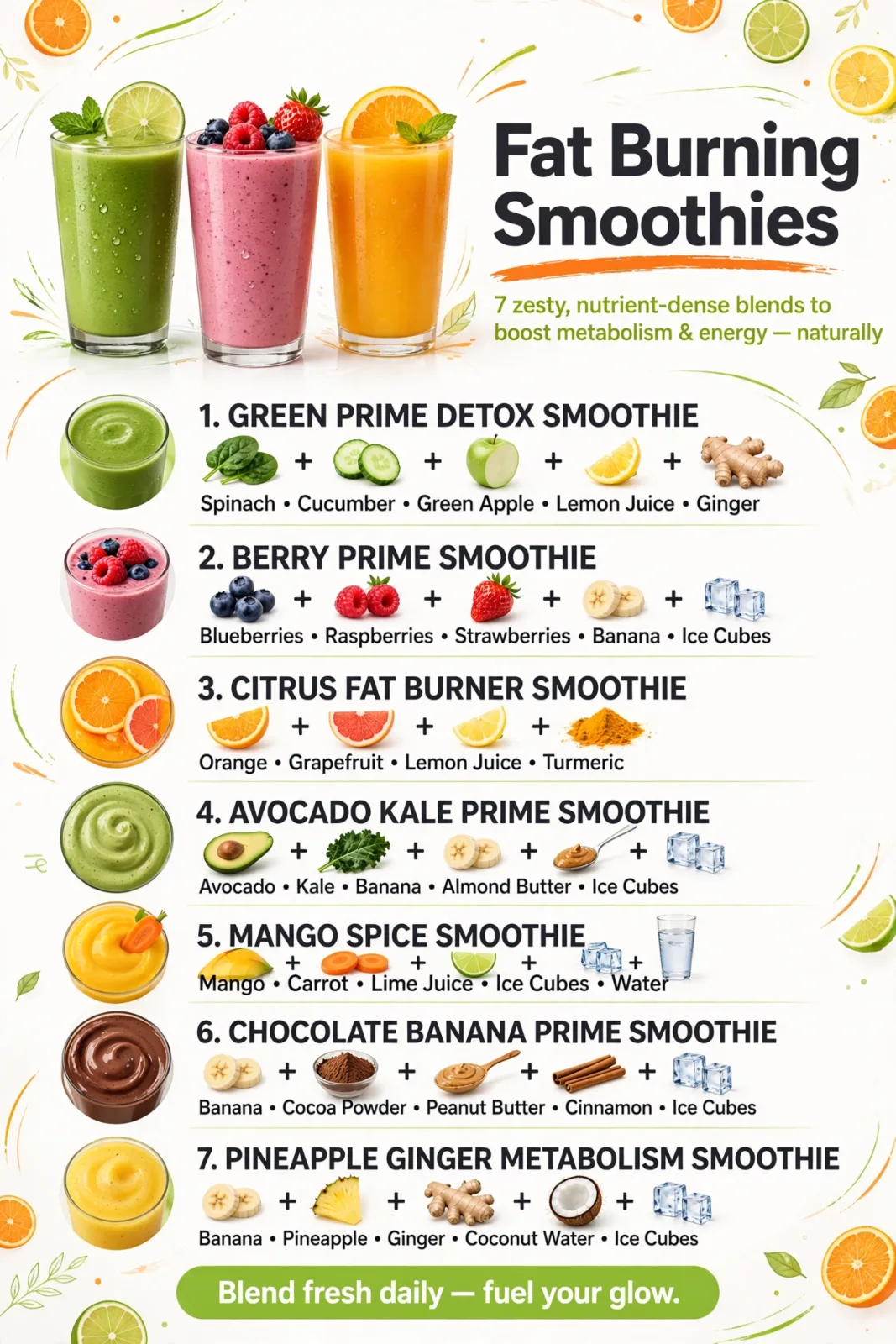
- 1 banana
- 1 tablespoon cocoa powder
- 1 tablespoon peanut butter
- 1/2 teaspoon cinnamon
- 1/2 cup ice cubes
Instructions
- Peel the banana.
- Add banana, cocoa powder, peanut butter, cinnamon, and ice cubes to a blender.
- Blend until smooth and creamy.
- Serve immediately.
Expert Blending Techniques & Equipment Guide
To get that perfect velvety texture, you need more than just a good recipe—you need the right technique and tools. Here's how to blend like a pro.
First, invest in a high-speed blender. Brands like Vitamix or Ninja can pulverize ice and frozen fruit into a silky smooth consistency. If you're using a standard blender, add liquids first to prevent air pockets and blend in short pulses before going full speed.
The order of ingredients matters. Start with the softest items (banana, peanut butter) at the bottom, then add powders (cocoa, cinnamon), and finally ice on top. This ensures even blending and prevents clumps.
Don't overfill your blender. Leave about an inch of space at the top so the vortex can form. If your smoothie is too thick, add a tablespoon of liquid at a time—plant milk, water, or even cold coffee—until it blends freely.
For an extra-smooth texture, soak your banana slices in warm water for 10 minutes before freezing. This breaks down some of the fiber and results in a creamier blend. Also, use crushed ice rather than large cubes; it blends faster and won't strain your motor.
If you prefer a thinner smoothie, blend longer. The friction heats the mixture slightly, thinning it out. For a thicker, spoonable treat, use frozen banana and less ice.
Clean your blender immediately after use. Fill it halfway with warm water, add a drop of dish soap, and blend for 30 seconds. Rinse and air dry. This keeps your blender odor-free and ready for next time.
Storage, Meal Prep & Serving Suggestions
This smoothie is best enjoyed fresh, but with a little planning, you can have it ready in seconds any day of the week.
For meal prep, create smoothie packs. Slice ripe bananas and freeze them in individual zip-top bags. In each bag, add the cocoa powder, cinnamon, and a small container of peanut butter (or add a tablespoon directly to the bag—it freezes well). When you're ready, dump the contents into the blender, add ice and a splash of liquid, and blend.
If you have leftover smoothie, pour it into an ice cube tray and freeze. Later, pop the cubes back into the blender with a little liquid for a quick re-blend. You can also freeze leftover smoothie in a mason jar—just leave an inch of headspace for expansion. Thaw overnight in the fridge and shake well.
For serving, this smoothie shines in a tall glass with a sprinkle of cinnamon on top. But don't stop there—turn it into a smoothie bowl by reducing the liquid and topping with sliced banana, granola, chia seeds, or coconut flakes. It also makes a great post-workout recovery drink; just add a scoop of protein powder.
Pair it with a light breakfast like scrambled eggs or avocado toast for a balanced meal. Or enjoy it as an afternoon snack to curb those 3 p.m. cravings. Kids love it too—serve it in a fun cup with a reusable straw.
Additional Frequently Asked Questions
Can I use cacao powder instead of cocoa powder?
Yes, you can! Cacao powder is less processed and retains more nutrients, but it has a slightly more bitter taste. If you use cacao, you might want to add a touch more sweetener, like half a date or a teaspoon of honey. Both work beautifully in this recipe.
How can I make this smoothie thicker?
For a thicker consistency, use a frozen banana instead of fresh, reduce the ice to 1/4 cup, and add a tablespoon of Greek yogurt or half an avocado. These additions also boost protein and healthy fats. You can also add a tablespoon of chia seeds, which absorb liquid and create a pudding-like texture.
Is this smoothie suitable for diabetics?
This smoothie can fit into a diabetic-friendly diet when enjoyed in moderation. The fiber from the banana and healthy fats from peanut butter help slow sugar absorption. However, bananas are high in natural sugars, so monitor your blood sugar response. Using a green-tipped banana (less ripe) has a lower glycemic index. You can also reduce the banana to half and add more ice or spinach.
What liquid works best in this smoothie?
Unsweetened almond milk, oat milk, or coconut milk are all great choices. Almond milk keeps it low-calorie, while coconut milk adds tropical creaminess. For a richer flavor, try cold brew coffee or a splash of vanilla extract. Water works in a pinch but won't add creaminess.
Can I make this smoothie without a blender?
If you don't have a blender, you can mash the banana with a fork until smooth, then whisk in the cocoa, cinnamon, and peanut butter. For the ice, crush it in a plastic bag with a rolling pin, then stir everything together. It won't be as smooth, but it'll still taste delicious. Alternatively, use a food processor or immersion blender.