Chocolate Peanut Butter Bliss Smoothie
Expert Blending Techniques & Equipment Guide
Getting that velvety, cafe-quality texture isn't just about tossing everything into a blender and hoping for the best. Over the years, I've learned a few tricks that make a world of difference. First, always add your liquids to the blender pitcher before the solid ingredients. This simple step keeps the blades from getting stuck and helps everything circulate more evenly. So, pour in your milk first, then add the banana, peanut butter, cocoa powder, and sweetener on top.
If you're using a high-powered blender like a Vitamix or Blendtec, you can pretty much blend on high for 30 to 45 seconds and call it a day. But if you have a standard blender, start on low speed to break up the banana, then gradually increase to high. You may need to stop and scrape down the sides once or twice. A tamper tool is your best friend here—it pushes ingredients down without you having to remove the lid.
For the creamiest result, use frozen banana chunks rather than fresh. Frozen fruit creates a thicker, frostier consistency that mimics a milkshake. If you only have fresh bananas, add a handful of ice cubes, but be careful not to water down the flavor. Another pro tip: soak your peanut butter in a tablespoon of hot water for a minute before adding it. This softens it and helps it blend seamlessly, especially if your peanut butter is on the stiff side.
Don't forget about the order of powders. Cocoa powder has a tendency to clump if it hits the blades directly, so sprinkle it over the liquid rather than dumping it in one spot. If you're adding protein powder, do the same. And always blend a few seconds longer than you think you need—you want to hear that smooth, humming sound without any rattling chunks.
Finally, consider the temperature. If you're using room-temperature milk and fresh banana, your smoothie will be lukewarm, which isn't ideal. Cold ingredients make a refreshing drink. So chill your milk, freeze your banana, and if you want it extra frosty, add a couple of frozen cauliflower florets—trust me, you won't taste them, and they add creaminess.
Ingredients
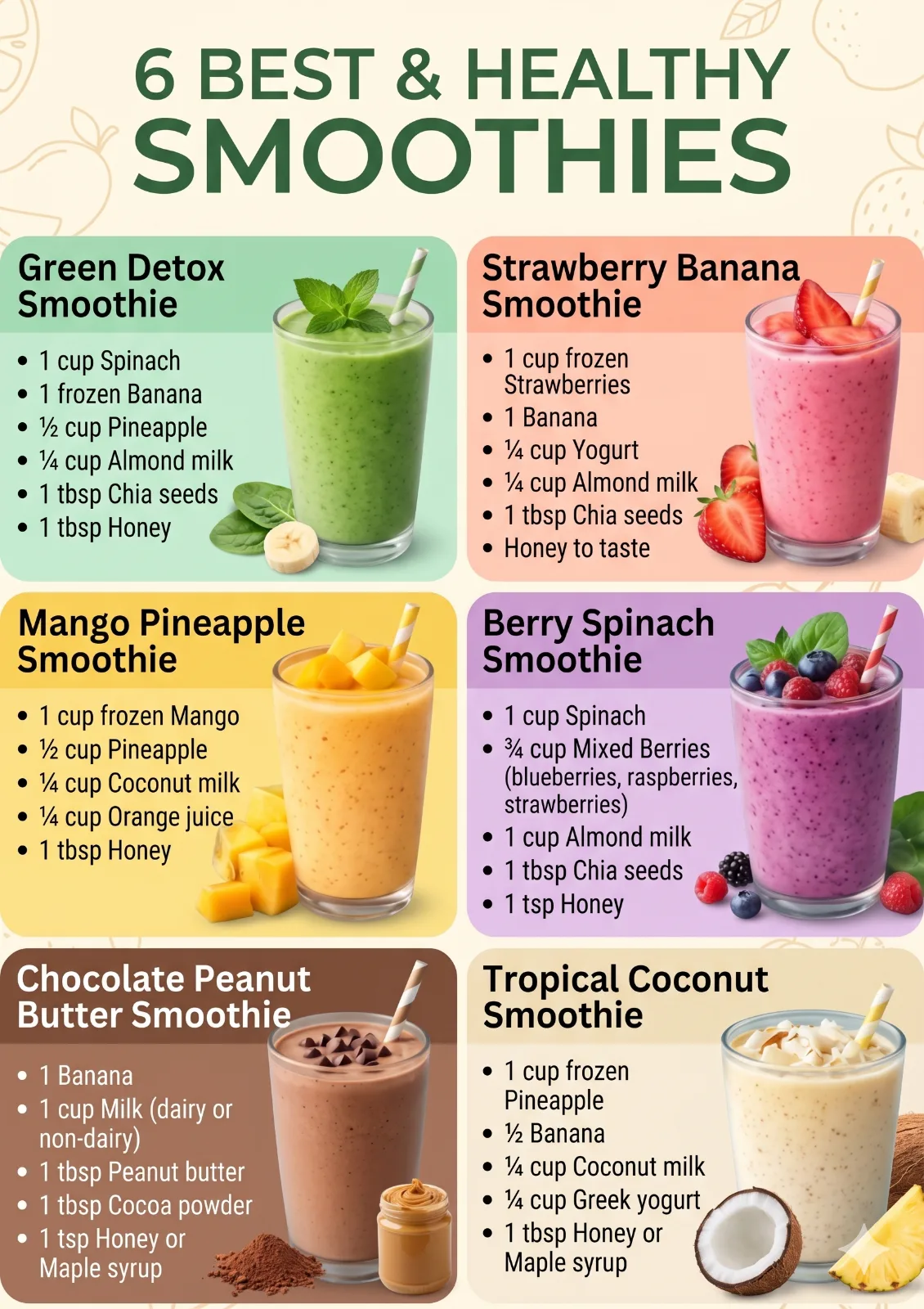
- 1 ripe banana
- 1 cup milk (dairy or non-dairy)
- 1 tbsp peanut butter
- 1 tbsp cocoa powder
- 1 tsp honey or maple syrup
Instructions
- Add banana, milk, peanut butter, cocoa powder, and honey or maple syrup to a blender.
- Blend until creamy and smooth.
- Serve immediately, topped with chocolate chips if desired.
Storage, Meal Prep & Serving Suggestions
While this Chocolate Peanut Butter Smoothie is at its absolute best straight from the blender, life doesn't always allow for that. If you need to make it ahead, pour it into a mason jar, filling it all the way to the top to minimize air exposure. Seal it tightly and store it in the refrigerator for up to 24 hours. Before drinking, give it a good shake or stir—it may separate a bit, but that's completely normal. For longer storage, you can freeze the smoothie in ice cube trays or a freezer-safe container for up to three months. When you're ready, simply blend the frozen cubes with a splash of milk until smooth.
Meal prep is a game-changer for busy mornings. I like to create smoothie kits: in small zip-top bags, combine the banana chunks, peanut butter, cocoa powder, and sweetener. Label and freeze them. Then, in the morning, just empty one bag into the blender with a cup of milk. It's faster than waiting in line at a coffee shop, and you control exactly what goes in.
Serving suggestions? This smoothie is a meal in itself, but it also pairs beautifully with a light breakfast. Try it alongside a slice of whole-grain toast with avocado, or a small bowl of Greek yogurt with berries. For a post-workout treat, drink it within 30 minutes of exercising to help with muscle recovery. And if you're serving it to kids, pour it into popsicle molds for a frozen treat they'll love.
For a fancy presentation, rim a glass with melted chocolate and crushed peanuts, then pour in the smoothie. Top with a swirl of coconut whipped cream, a drizzle of peanut butter, and a few mini chocolate chips. It looks like something from a fancy cafe, but it takes just minutes. You can also serve it in a bowl as a smoothie bowl, topped with granola, sliced banana, and chia seeds for a satisfying crunch.
One last note: this smoothie is naturally sweet, but if you're serving it to someone who prefers a less sweet drink, reduce the honey to half a teaspoon or omit it entirely. The banana and peanut butter provide plenty of sweetness on their own.
Additional Frequently Asked Questions
Can I use cacao powder instead of cocoa powder?
Yes, you can! Cacao powder is the raw, less processed version of cocoa powder. It has a slightly more bitter, earthy flavor and retains more of its natural nutrients, including antioxidants and minerals. If you use cacao powder, you might want to add a touch more sweetener to balance the bitterness. Both work wonderfully in this smoothie.
How can I make this smoothie nut-free?
If you have a nut allergy, you can substitute the peanut butter with sunflower seed butter or tahini. Both provide a creamy texture and healthy fats. Sunflower seed butter has a mild, slightly sweet flavor that pairs well with chocolate, while tahini adds a subtle nutty note. Just make sure your milk is also nut-free—oat milk or coconut milk are great options.
Is this smoothie good for weight loss?
It can be part of a healthy weight-loss plan when enjoyed in moderation. The protein and fiber help keep you full, which can prevent overeating later. However, it's also calorie-dense due to the peanut butter and banana. If you're watching your calories, use a smaller banana, reduce the peanut butter to 2 teaspoons, and skip the sweetener. You can also use unsweetened almond milk to cut calories further.
Can I add spinach or other greens?
Absolutely! A handful of fresh spinach will blend right in and you won't taste it at all. It adds iron, calcium, and vitamins A and C. For a more pronounced green color, you can also add a few leaves of kale or a tablespoon of spirulina. Just be aware that greens can change the color from light brown to a greenish-brown, but the flavor remains delicious.
What type of milk works best?
That depends on your dietary needs and taste preferences. Dairy milk adds creaminess and extra protein. Almond milk is light and low-calorie. Oat milk is naturally sweet and extra creamy. Coconut milk (from a carton, not the can) adds a subtle tropical flavor. Soy milk is high in protein and very creamy. Feel free to experiment and find your favorite.
How long does this smoothie last in the fridge?
It's best consumed within 24 hours. After that, the texture may become watery and the flavors can fade. If you need to store it longer, freezing is the way to go. Just remember to leave a little headspace in the container because liquids expand when frozen.