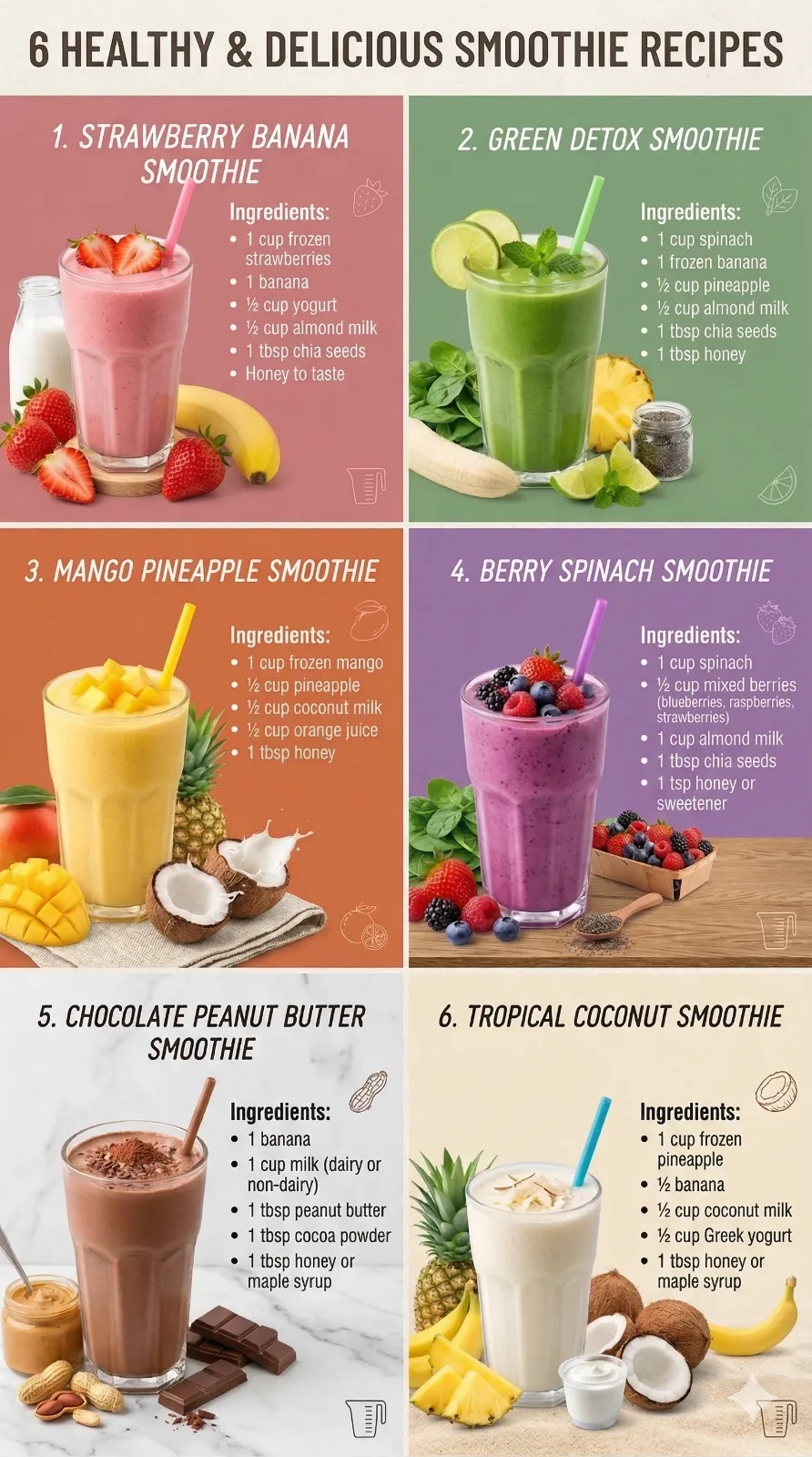
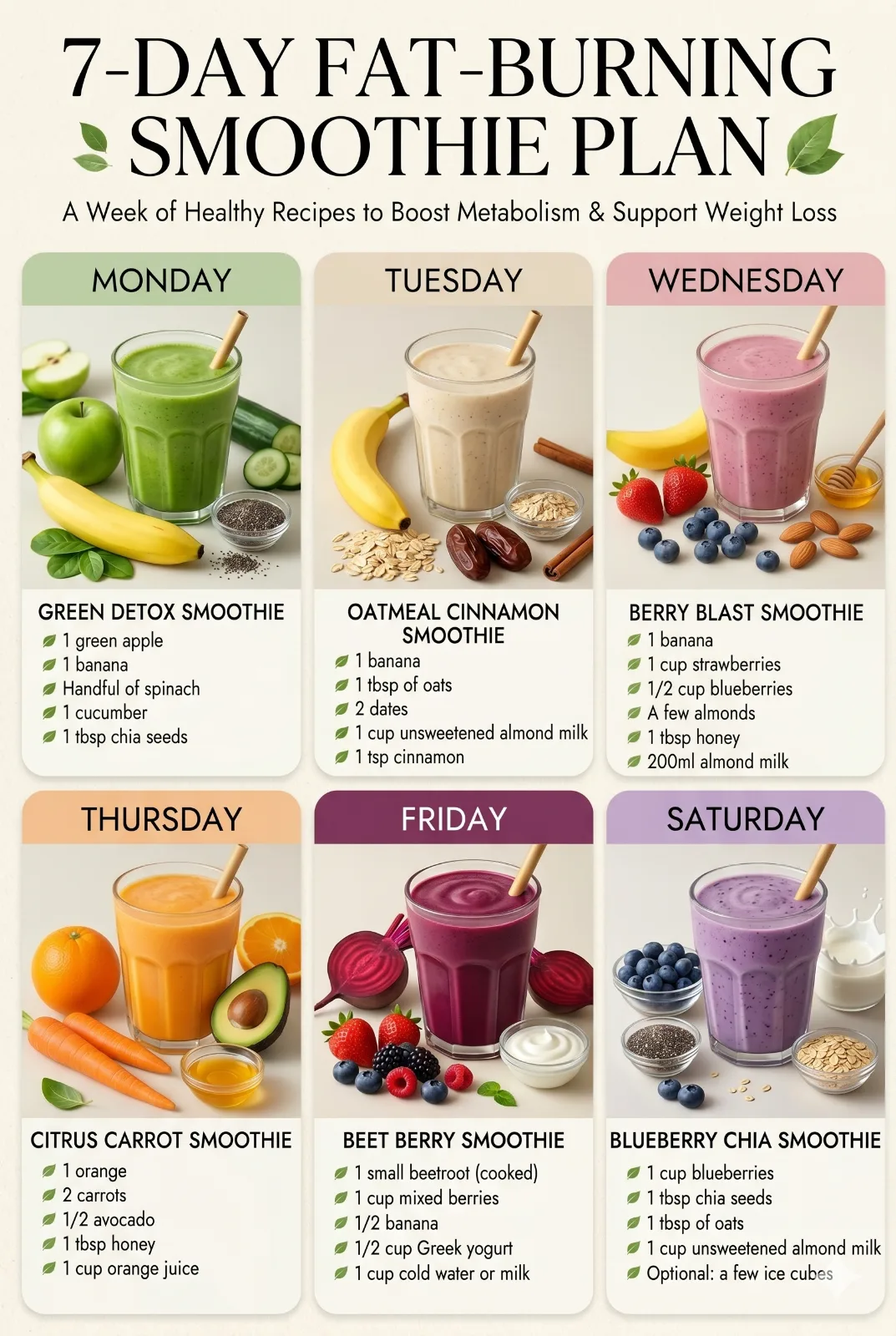
Creamy Peanut Butter Banana Energy Boost
Nutritional Deep Dive & Health Benefits
Let's take a closer look at what makes this Energy Boost Smoothie such a nutritional powerhouse. Each ingredient brings its own unique set of vitamins, minerals, and beneficial compounds to the table, and together they create a synergy that supports everything from sustained energy to muscle recovery.
**Bananas** are often called nature's perfect snack, and for good reason. A medium banana contains about 105 calories, 27 grams of carbohydrates, 3 grams of fiber, and 14 grams of natural sugars. But the real magic lies in its micronutrients. Bananas are famous for their potassium content—around 422 milligrams per medium fruit—which is essential for maintaining healthy blood pressure, proper muscle function, and nerve signaling. They also provide vitamin B6, which supports brain development and helps convert food into energy, and vitamin C, an antioxidant that boosts immune health and collagen production. The fiber in bananas, particularly pectin, helps regulate digestion and can improve gut health by feeding beneficial bacteria.
**Peanut butter** is more than just a creamy treat; it's a concentrated source of plant-based protein and healthy fats. Two tablespoons of smooth peanut butter deliver about 7 grams of protein, 16 grams of fat (mostly heart-healthy monounsaturated and polyunsaturated fats), and 2 grams of fiber. It's also rich in vitamin E, a powerful antioxidant that protects cells from damage, and magnesium, which plays a role in over 300 enzymatic reactions in the body, including energy production and muscle relaxation. Additionally, peanut butter contains niacin, which helps convert food into energy, and resveratrol, a compound linked to heart health and longevity.
**Milk** (whether dairy or plant-based) rounds out the nutritional profile. A cup of dairy milk provides about 8 grams of protein, 300 milligrams of calcium (30% of your daily value), and significant amounts of vitamin D, vitamin B12, and riboflavin. These nutrients are crucial for bone health, red blood cell production, and energy metabolism. If you opt for plant-based milk, choose unsweetened varieties fortified with calcium and vitamin D to get similar benefits. Soy milk, in particular, offers a protein content comparable to dairy milk, making it an excellent choice for vegans and vegetarians.
When you combine these three ingredients, you get a smoothie that provides a balanced mix of macronutrients—carbohydrates for quick energy, protein for muscle repair and satiety, and fats for long-lasting fuel. This trio also delivers a wide array of vitamins and minerals that support overall wellness, from immune function to heart health. The natural sugars in the banana provide an immediate energy boost, while the fat and protein from peanut butter and milk slow down digestion, ensuring you stay energized for hours. It's a perfect example of how simple, whole foods can work together to create something greater than the sum of their parts.
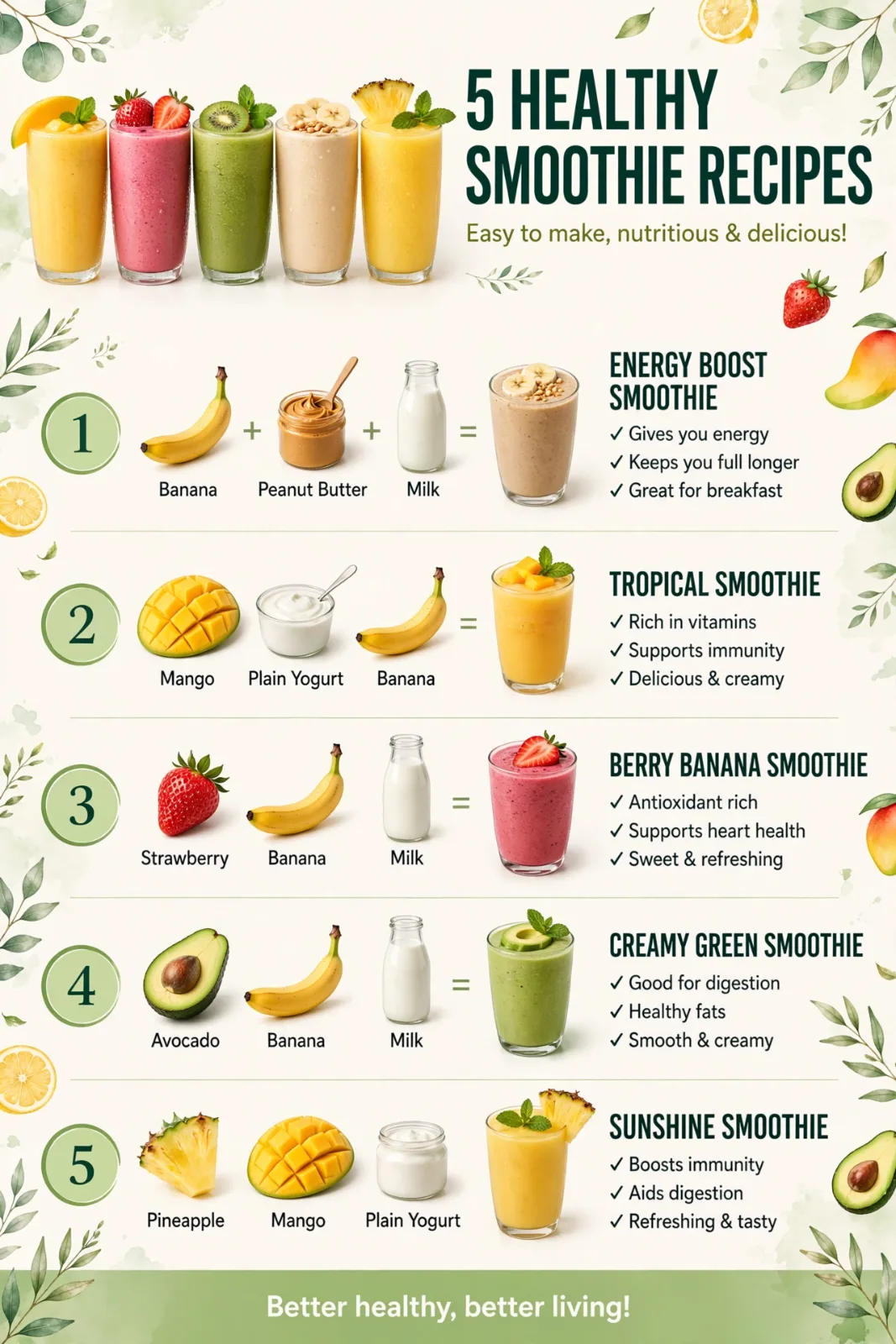
Ingredients
- 1 ripe banana
- 1 heaping tablespoon peanut butter (or to taste)
- 1 cup milk (dairy or plant-based)
Instructions
- Peel the banana and cut into pieces.
- Add the banana, a spoonful of peanut butter, and milk into a blender.
- Blend until smooth.
- Pour into a glass and optionally garnish with banana slices and peanuts.
Expert Blending Techniques & Equipment Guide
Achieving a perfectly smooth, creamy smoothie isn't just about throwing ingredients into a blender—it's about technique and using the right tools. Here are some expert tips to help you get that velvety texture every time.
**The order of ingredients matters.** Always add liquids first, then soft ingredients like banana, and finally sticky or dense ingredients like peanut butter. This prevents the peanut butter from sticking to the blades and ensures everything blends evenly. If you're using frozen fruit, add it last to avoid jamming the blades.
**Blender choice.** A high-speed blender (like a Vitamix or Blendtec) will give you the smoothest result, but you don't need to spend a fortune. A mid-range blender with a powerful motor (at least 600 watts) can do the job, especially if you follow the layering technique. For those with bullet-style blenders, make sure not to overfill and pulse a few times before blending continuously.
**The pulse-and-blend method.** Start with a few pulses to break up the banana and incorporate the peanut butter, then switch to a continuous blend. This helps avoid air pockets and ensures a uniform consistency. If your blender struggles, add a little more milk, one tablespoon at a time, until the mixture moves freely.
**Temperature control.** For a refreshing, thick smoothie, use frozen banana and cold milk. If you prefer a warmer drink (great for cold mornings), use room-temperature ingredients. Avoid blending hot liquids in a sealed blender as pressure can build up.
**Sweetness and texture adjustments.** Taste your smoothie before pouring. If it's not sweet enough, add a date or a drizzle of honey and blend again. If it's too thick, add milk; too thin, add a few ice cubes or more banana.
**Cleaning tips.** Rinse your blender immediately after use with warm water and a drop of dish soap. Blend for a few seconds to loosen residue, then rinse thoroughly. This prevents stuck-on peanut butter and keeps your blender ready for the next smoothie.
With these techniques, you'll be blending like a pro in no time. Remember, practice makes perfect—and even a slightly imperfect smoothie is still delicious!
Storage, Meal Prep & Serving Suggestions
One of the best things about this Energy Boost Smoothie is how well it fits into a busy lifestyle. With a little planning, you can enjoy it any day of the week without much effort.
**Meal prep ideas.** Portion out the banana and peanut butter into freezer-safe bags or containers. You can even mash the banana with the peanut butter and freeze in ice cube trays. When you're ready, pop the cubes into the blender with milk and blend. This is a game-changer for hectic mornings.
**Storing leftovers.** If you have leftover smoothie, pour it into a mason jar, filling it to the top to minimize air exposure, and seal tightly. It will keep in the fridge for up to 24 hours. Before drinking, shake well—separation is natural. For longer storage, freeze in ice cube trays or popsicle molds for a healthy frozen treat.
**Serving suggestions.** This smoothie is perfect as a quick breakfast on its own, but you can also pair it with a slice of whole-grain toast or a handful of granola for extra crunch. For a post-workout meal, add a scoop of protein powder. For a kid-friendly version, serve it in a fun cup with a straw and top with mini chocolate chips (just a few!).
**On-the-go options.** Transfer the smoothie to a travel cup with a lid and take it with you. It's great for commuting, hiking, or a midday pick-me-up at work. Just give it a shake before sipping.
**Presentation matters.** Garnish with banana slices, a sprinkle of chopped peanuts, or a drizzle of peanut butter. A dusting of cinnamon or cocoa powder adds a lovely touch. If you're serving it to guests, use a chilled glass and add a fun straw.
**Batch blending.** If you're making smoothies for the whole family, double or triple the recipe. Just make sure your blender can handle the volume—if not, blend in batches. You can also set up a smoothie bar with optional add-ins like chia seeds, coconut flakes, and fresh fruit, letting everyone customize their own.
With these storage and serving tips, you can enjoy this Energy Boost Smoothie whenever the craving strikes, with minimal fuss and maximum flavor.
Additional Frequently Asked Questions
Can I use peanut butter powder instead of regular peanut butter?
Yes, you can! Peanut butter powder (like PB2) is a great lower-calorie alternative. It has most of the fat removed, so it's less creamy but still adds peanut flavor and some protein. To use it, mix 2 tablespoons of powder with 1 tablespoon of water to rehydrate, or just add the powder directly to the blender and increase the milk slightly. Keep in mind the texture will be a bit thinner and less rich.
Is this smoothie safe for people with nut allergies?
If you have a nut allergy, you can substitute the peanut butter with sunflower seed butter, soy nut butter, or even a seed blend. These alternatives provide similar creaminess and healthy fats. Always check labels to ensure the product is made in a nut-free facility if your allergy is severe. For a completely nut-free version, try mashed avocado or a tablespoon of coconut oil for richness, though the flavor will differ.
How can I make this smoothie lower in sugar?
To reduce sugar, use an unsweetened plant-based milk like almond or cashew, and make sure your peanut butter has no added sugar. Choose a banana that's ripe but not overly spotted, as riper bananas have more sugar. You can also swap half the banana for frozen cauliflower rice or a few tablespoons of Greek yogurt for creaminess without the sugar. Adding a source of healthy fat, like chia seeds, can also help balance blood sugar.
Can I add vegetables to this smoothie?
Absolutely! Spinach is the most popular addition because it's mild in flavor and adds iron, calcium, and vitamins A and C. A handful of fresh or frozen spinach will change the color to green but won't affect the taste much. You can also add steamed and frozen zucchini or cauliflower for extra fiber and nutrients. Start with a small amount and increase gradually.
What type of milk works best for this smoothie?
It depends on your dietary needs and flavor preferences. Dairy milk adds creaminess and protein. Almond milk is light and low-calorie. Oat milk is creamy and naturally sweet. Soy milk is high in protein and works well for a thicker consistency. Coconut milk beverage adds a tropical hint. For the creamiest result, I recommend oat or soy milk. Ultimately, any milk you enjoy will work—just adjust the amount to reach your desired consistency.