Cinnamon Oatmeal Comfort Smoothie
Nutritional Deep Dive & Health Benefits
Let's go deeper into the nutrition, because this smoothie is genuinely more than the sum of its parts. Rolled oats bring around 3-4 grams of fiber per third-cup serving, and much of that is beta-glucan, a soluble fiber that forms a gel-like substance in your gut. That gel slows the release of glucose into your bloodstream, which is why oats are a staple for anyone managing blood sugar or just trying to avoid the mid-morning crash. Beta-glucan also binds to cholesterol in the digestive tract, helping to carry it out of the body — one of the reasons oats have an official heart-health claim in many countries.
Greek yogurt is the protein engine here. A typical half-cup delivers 10-15 grams of complete protein, meaning it contains all nine essential amino acids your body can't make on its own. That matters for muscle repair, immune function, and even keeping your hair and nails strong. The live cultures in yogurt — Lactobacillus and Bifidobacterium strains, usually — feed your gut microbiome, which is increasingly linked to everything from digestion to mood.
Frozen banana contributes potassium, roughly 400 milligrams per medium banana, which helps counterbalance sodium and supports healthy blood pressure. It also brings vitamin B6, vitamin C, and magnesium. Freezing the banana isn't just a texture trick; it preserves most of the nutrients while giving the smoothie that thick, milkshake-like consistency without any ice dilution.
The Medjool date is a quiet powerhouse. Beyond natural sugars, dates contain potassium, magnesium, copper, and small amounts of iron, plus polyphenol antioxidants. They're also a source of soluble fiber, so they sweeten without spiking your blood sugar the way refined sugar would. One date is plenty — they're rich and caramel-like, and a little goes a long way.
Cinnamon deserves its own paragraph. Beyond the warm, cozy flavor, cinnamon contains compounds like cinnamaldehyde and cinnamic acid that have antioxidant and anti-inflammatory properties. Some studies suggest cinnamon may support insulin sensitivity, though the research isn't conclusive. Either way, it's a zero-calorie way to add depth and aroma.
Finally, milk ties it all together with calcium, vitamin D (when fortified), and hydration. If you use a plant milk like oat or soy, you'll often get similar fortification. Altogether, this smoothie lands in the 350-400 calorie range with a balanced macronutrient profile — roughly 15-20 grams of protein, 10-12 grams of fiber, and healthy carbs from fruit and oats. It's a breakfast that works as hard as you do.
Ingredients
- 1/2 cup Greek yogurt
- 3/4 cup milk (dairy or plant-based)
- 1/3 cup rolled oats
- 1/2 teaspoon ground cinnamon
- 1 Medjool date, pitted
- 1 frozen banana, sliced
Instructions
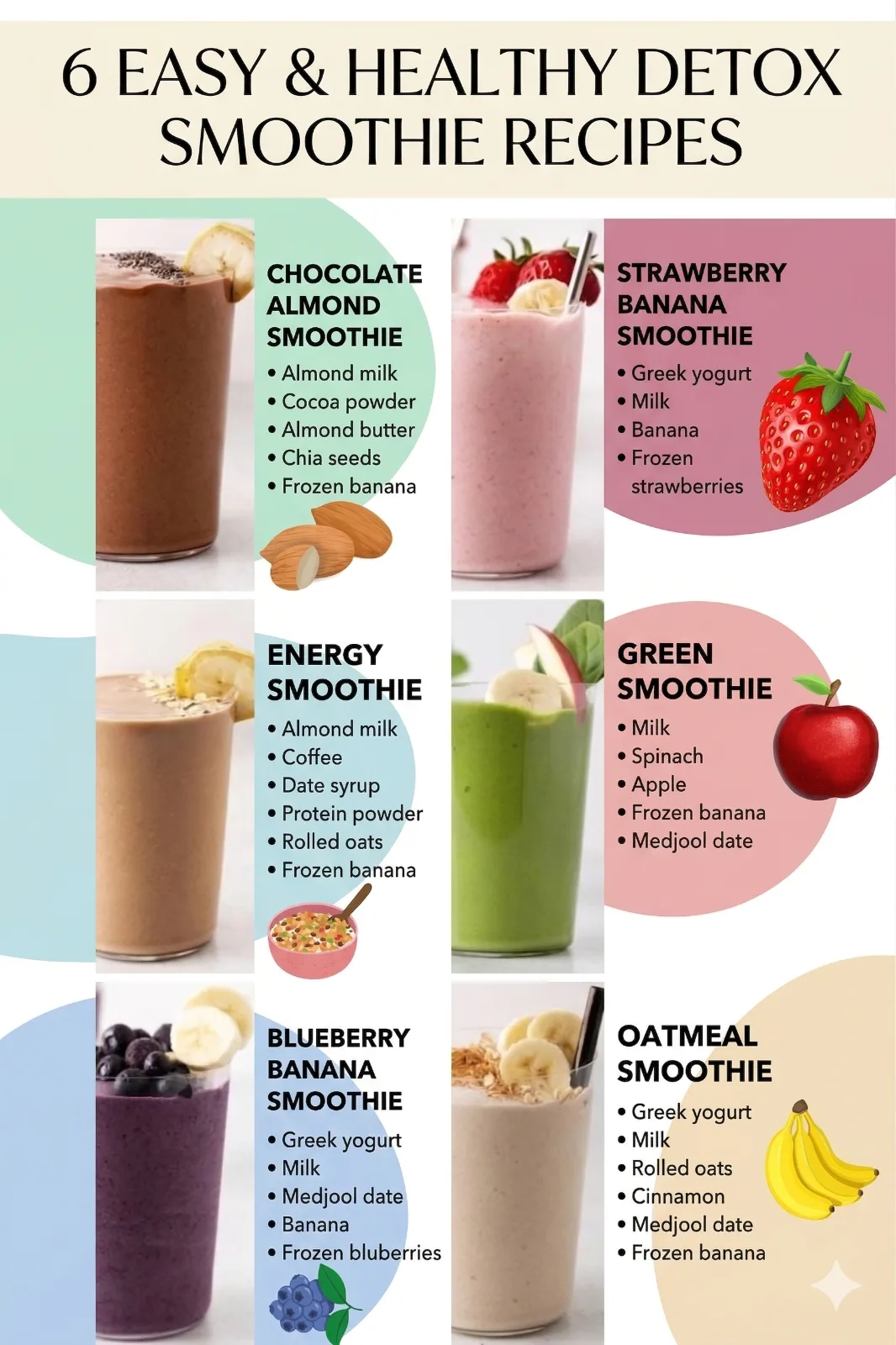
- Combine Greek yogurt, milk, rolled oats, cinnamon, Medjool date, and frozen banana in a blender.
- Blend until smooth, about 45-60 seconds, scraping down the sides if needed.
- Pour into a glass and enjoy a filling and nutritious smoothie.
Expert Blending Techniques & Equipment Guide
Blending a smoothie with oats is a little different from your average fruit blend, and a few technique tweaks make a huge difference. First, order matters. Always add liquids first — the milk and yogurt — then the soft ingredients like banana and date, and finally the oats and cinnamon on top. This keeps the oats from clumping at the bottom of the blender and gives the blades a chance to catch everything evenly.
If you're working with a standard blender rather than a high-speed model, pulse the oats dry for 10-15 seconds before adding anything else. You'll get a finer oat flour that blends seamlessly instead of leaving gritty bits. It's a small step that transforms the texture.
For the frozen banana, break it into chunks before freezing. Whole frozen bananas are brutal on blender blades and can stall even decent motors. Pre-sliced coins or chunks blend in seconds and give you a smoother result.
Medjool dates can be sticky and stubborn. If yours are firm, soak them in warm water for five minutes first, or chop them into small pieces. This ensures they disperse evenly instead of leaving a sweet pocket at the bottom of your glass.
Blend time matters too. Start on low for 10 seconds to break everything up, then crank it to high for 40-50 seconds. If your blender has a smoothie setting, use it — those programs are designed to cycle speeds for exactly this kind of blend. Stop and scrape down the sides once if needed.
As for equipment, a high-speed blender like a Vitamix or Ninja is ideal, but you don't need to spend a fortune. A decent 600-watt blender with a sharp blade will handle this recipe fine, especially if you pre-pulse the oats. Personal blenders work too — just make sure the cup is large enough to avoid overflow.
One last tip: don't over-blend. Going past 60-70 seconds can warm the smoothie and thin it out, and it starts to lose that thick, creamy mouthfeel. Stop when it looks uniform and pour immediately.
Storage, Meal Prep & Serving Suggestions
This smoothie is best enjoyed fresh, but life doesn't always cooperate, so here's how to make it work ahead of time. If you want to prep the night before, combine the oats, cinnamon, and chopped date in a small jar or zip bag. In the morning, dump the dry mix into the blender with the yogurt, milk, and frozen banana, and you're done in under two minutes.
For longer storage, you can portion the dry ingredients into individual bags and keep them in the pantry for up to a month. This is a game-changer on hectic weekdays — no measuring, no thinking, just blend and go.
If you have leftover smoothie, pour it into a mason jar, seal it tightly, and refrigerate for up to 24 hours. It will separate and thicken, which is completely normal. Give it a vigorous shake or stir, and add a splash of milk to loosen it back to drinking consistency. Just know that the flavor is brightest on day one.
Freezing is another option. Pour the smoothie into ice cube trays or silicone molds, freeze solid, then transfer the cubes to a freezer bag. When you're ready, blend the cubes with a little extra milk. It won't be quite as creamy as fresh, but it's a solid backup for busy mornings.
Serving-wise, this smoothie shines in a tall glass with a sprinkle of cinnamon on top. For a more filling meal, pour it into a bowl and top with sliced banana, chopped walnuts, a drizzle of almond butter, or a handful of granola. It basically becomes a drinkable oatmeal bowl, which is exactly the vibe.
If you're serving it to kids, a fun straw and a few extra banana slices on the rim go a long way. For adults, a tiny pinch of sea salt or a dash of vanilla extract elevates the flavor in a subtle, sophisticated way. And if you're feeling indulgent, a swirl of peanut butter or a few dark chocolate chips on top turns this into a borderline dessert.
Pair it with a hard-boiled egg or a handful of almonds if you want to push the protein higher, or keep it light and pair with a piece of whole-grain toast. Either way, it's a flexible, forgiving recipe that adapts to whatever your morning looks like.
Additional Frequently Asked Questions
Can I drink this smoothie every day?
Absolutely, and many people do. It's a balanced blend of fiber, protein, and healthy carbs, so it works well as a daily breakfast. That said, variety is important for getting a wide range of nutrients, so consider rotating it with other smoothies or breakfasts throughout the week. If you're watching sugar, keep an eye on the date and banana amounts.
Will the oats make the smoothie gritty?
Only if you don't blend long enough or use a weak blender. With a high-speed blender and 45-60 seconds of blending, the oats disappear into the mix and you're left with a smooth, creamy texture. Pre-pulsing the oats dry is the best insurance against grittiness.
Is this smoothie good for weight loss?
It can be, depending on your overall diet. The fiber and protein make it satisfying, which helps reduce mindless snacking later in the day. At around 350-400 calories, it's a reasonable breakfast or post-workout option. If you're aiming for a lower-calorie version, use unsweetened almond milk and skip the date.
Can I add spinach or other greens?
Yes, and it's a great way to sneak in extra nutrients. A handful of baby spinach blends in without changing the flavor much — it will tint the color slightly green, but the cinnamon and banana mask any vegetal taste. Kale works too, though it's a bit more assertive.
What's the best milk to use?
Any milk works. Whole dairy milk gives the creamiest, richest result. Oat milk adds a subtle sweetness and pairs beautifully with the oats. Almond milk keeps it lighter, and soy milk boosts the protein. Coconut milk adds a tropical twist that complements the cinnamon surprisingly well. Pick based on your dietary needs and flavor preference — there's no wrong answer.