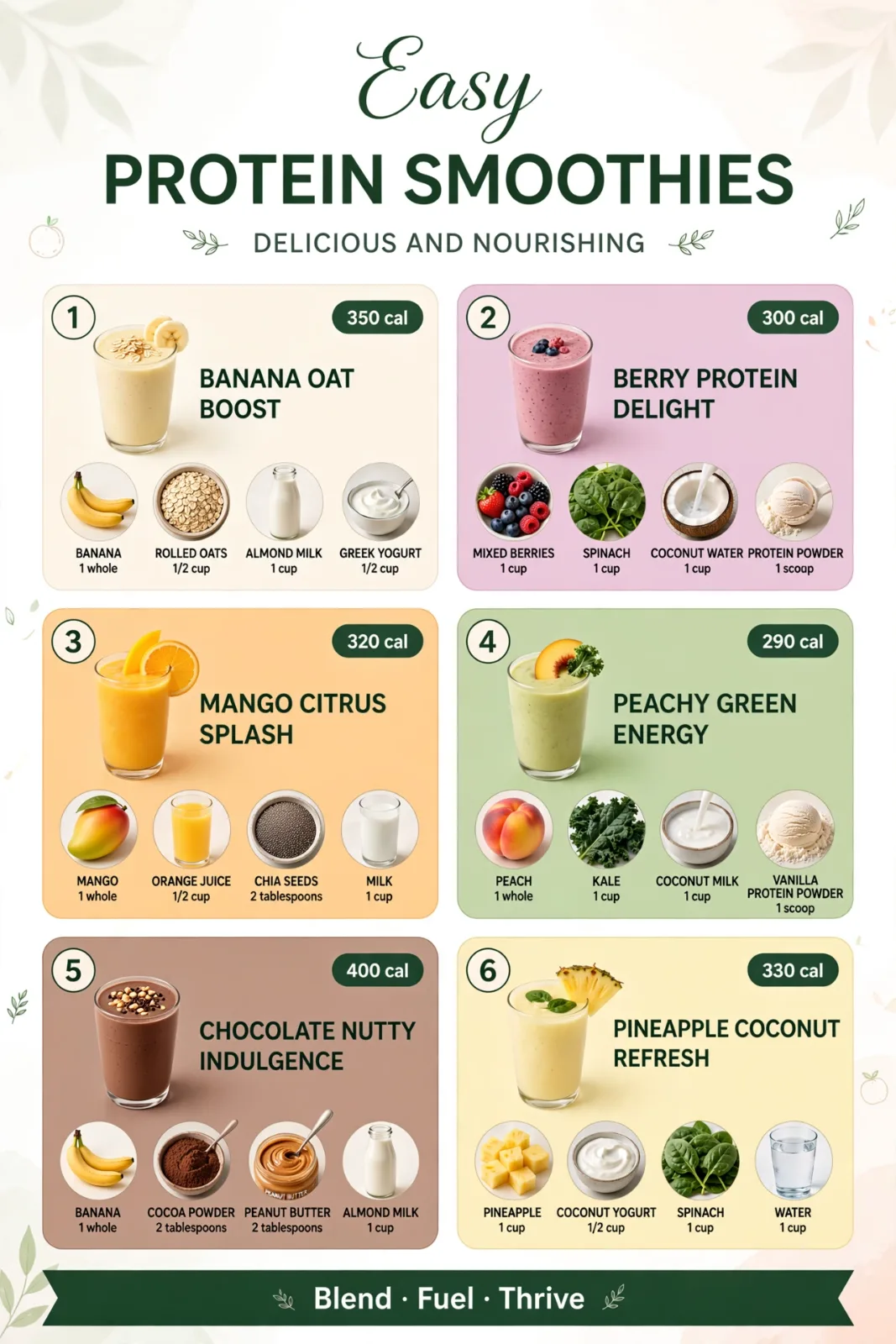
Pineapple Coconut Refresh
Ingredients
- 1 cup pineapple chunks (fresh or frozen)
- 1/2 cup coconut yogurt
- 1 cup fresh spinach
- 1 cup water
Instructions
- Add 1 cup pineapple, 1/2 cup coconut yogurt, 1 cup spinach, and 1 cup water to a blender.
- Blend until smooth and refreshing.
- Serve chilled.
Nutritional Deep Dive & Health Benefits
Let's talk about what's actually in this glass, because it's more than just a pretty color (though that light yellow-green swirl is pretty gorgeous). First up: pineapple. One cup of pineapple chunks delivers well over 100% of your daily vitamin C needs. That's a huge immune boost in a single serving. Vitamin C also plays a role in collagen production, so your skin, joints, and blood vessels get some love too. Pineapple also contains bromelain, a unique enzyme that can help with digestion and may reduce inflammation. It's one of those fruits that does double duty—tastes amazing and works behind the scenes.
Then there's coconut yogurt. Unlike dairy-based yogurts, coconut yogurt is naturally dairy-free and often packed with healthy medium-chain triglycerides (MCTs) from coconut. MCTs are a type of fat that your body can use for quick energy. Many brands also fortify coconut yogurt with probiotics, which support gut health. A healthy gut means better digestion, improved nutrient absorption, and even a stronger immune system. Plus, the creaminess it adds to this smoothie is unreal—it makes the texture feel indulgent without any heaviness.
Spinach might seem like an odd addition to a tropical smoothie, but trust me, it's a game-changer. One cup of raw spinach provides a decent amount of vitamin A, vitamin K, folate, and iron. It also adds a subtle earthiness that balances the sweetness of the pineapple. And because spinach is so mild, you won't even taste it—you'll just get that beautiful green tint and a boatload of nutrients. Spinach is also rich in antioxidants like lutein and zeaxanthin, which support eye health.
Finally, water. It might seem like a boring ingredient, but it's the secret to making this smoothie hydrating rather than heavy. Many smoothies rely on juice or milk, which can add extra sugar and calories. Using water keeps things light and lets the natural flavors of the fruit and yogurt shine. It also makes this a great post-workout option if you want something refreshing that won't weigh you down.
Together, these four ingredients create a smoothie that's low in added sugar, high in fiber, and packed with vitamins and minerals. It's a fantastic way to sneak more greens into your day, especially if you're not a huge salad fan. And because it's so hydrating, it's perfect for hot summer mornings or as an afternoon pick-me-up when you need a little boost without caffeine.
Tips and Variations
One of the best things about this Pineapple Coconut Refresh is how flexible it is. Here are some of my favorite ways to switch it up.
First, the pineapple. Fresh pineapple is wonderful when it's in season, but frozen pineapple chunks are a total game-changer. They make the smoothie thicker and frostier without needing ice, which can water down the flavor. If you use fresh pineapple, add a handful of ice cubes to get that chilled, slushy texture.
Next, the coconut yogurt. I love using a plain, unsweetened coconut yogurt to keep the sugar content low. But if you want a sweeter smoothie, a vanilla-flavored coconut yogurt works beautifully. You can also swap it for regular Greek yogurt if you don't need it dairy-free—just note that the flavor will be tangier and less tropical. For a thicker, creamier result, try full-fat coconut yogurt. If you're watching your fat intake, a light version works too.
Spinach is pretty neutral, but you can also use kale or Swiss chard. Kale is a bit more robust, so you might want to blend a little longer to ensure it's completely smooth. Baby spinach is the mildest option and blends up effortlessly.
As for the liquid, water is my go-to for a light and hydrating drink. But you can also use coconut water for extra electrolytes and a more pronounced tropical flavor. Almond milk or oat milk will make it creamier. If you want a thinner consistency, just add more water until it's perfect for you.
Want to boost the protein? Add a scoop of vanilla or unflavored protein powder, or a tablespoon of chia seeds or flaxseeds. Chia seeds also add fiber and omega-3s. A handful of frozen mango or a few chunks of banana can add natural sweetness and creaminess. If you like a little zing, a squeeze of fresh lime juice brightens everything up. And for a truly decadent treat, top with a sprinkle of shredded coconut or a few fresh pineapple chunks.
One more tip: blend the spinach with the water first until it's completely smooth, then add the remaining ingredients. This ensures no leafy bits sneak through.
FAQ
Can I make this smoothie ahead of time?
Yes, you can! This smoothie is best enjoyed fresh, but you can prep the ingredients in a freezer bag or container and blend when you're ready. If you want to make it the night before, store it in an airtight jar in the fridge for up to 24 hours. Just give it a good shake or stir before drinking, as separation is natural. For longer storage, pour it into an ice cube tray and freeze, then re-blend the cubes with a splash of water when you want a quick smoothie.
Is this smoothie good for weight loss?
It can be! At around 150-200 calories per serving (depending on your yogurt), it's a light and nutrient-dense option. The fiber from pineapple and spinach helps keep you full, and the protein from coconut yogurt (though minimal) adds satiety. Just be mindful of added sugars from sweetened yogurt or extra fruit. If you're looking for a more substantial meal replacement, add a scoop of protein powder or a tablespoon of nut butter.
Can I use canned pineapple?
Absolutely. Canned pineapple works in a pinch, but I recommend choosing one packed in its own juice rather than heavy syrup to avoid extra sugar. Drain it well before adding to the blender. Frozen pineapple is still my top choice for texture, but canned will still give you that tropical flavor.
What if I don't like coconut yogurt?
No problem! You can substitute with any plain or vanilla yogurt you enjoy—Greek, almond, soy, or even a dairy-free plain yogurt. If you want to keep the coconut flavor, you could use a splash of coconut milk or coconut extract instead. Just adjust the liquid accordingly.
How can I make this smoothie thicker?
For a thicker consistency, use frozen pineapple and reduce the water to 1/2 cup. You can also add a frozen banana, a few ice cubes, or a tablespoon of chia seeds. If you want it super thick like a smoothie bowl, start with just 1/4 cup water and add more only if needed to blend.
Expert Blending Techniques & Equipment Guide
Getting a perfectly smooth, velvety texture isn't just about tossing everything in and hitting the button—it's about technique. The order you add ingredients to your blender actually matters more than most people realize. For this Pineapple Coconut Refresh, I always start with the liquid first: pour that cup of water into the blender jar before anything else. This simple step prevents the blades from getting stuck and helps everything circulate properly. Next, add the spinach. Since leafy greens are the toughest ingredient to break down, placing them closest to the blades ensures they get pulverized completely. Then add the coconut yogurt, and finally the pineapple on top. If you're using frozen pineapple, this layering is especially important because frozen chunks can create air pockets that stall the blending process.
Speaking of blenders, you don't need a high-end model to make this work, but a decent one certainly helps. A standard countertop blender will do the job if you give it enough time—usually 60 to 90 seconds on high. If your blender struggles with leafy greens, try blending the spinach and water together first until you have a smooth green liquid, then add the rest. High-powered blenders like Vitamix or Blendtec will get you a silkier result in about 45 seconds. If you're working with a personal blender or a bullet-style model, chop your pineapple into smaller pieces and blend in shorter bursts to avoid overheating the motor.
One trick I swear by: don't over-blend. Once the smoothie is uniform in color and texture, stop. Over-blending introduces too much air, which makes the drink foamy and less pleasant to sip. You want it creamy and pourable, not frothy. If you do end up with foam, let it sit for a minute or two and the bubbles will settle. Also, always blend on high speed for the final few seconds to get that glossy finish. And if you're using a tamper, use it gently—push ingredients down toward the blades rather than forcing them.
Storage, Meal Prep & Serving Suggestions
This smoothie is at its absolute best when enjoyed immediately. The flavors are brightest, the texture is creamiest, and that vibrant light yellow-green color is most striking. But life gets busy, and sometimes you need to prep ahead. If that's the case, here's how to do it right. For short-term storage, pour the smoothie into a mason jar, fill it all the way to the top to minimize air exposure, and seal it tightly. It will keep in the fridge for up to 24 hours. You'll notice some natural separation—that's completely normal. Just shake it vigorously or stir with a long spoon before drinking.
For longer storage, freezing is your friend. Pour the smoothie into silicone ice cube trays or muffin tins and freeze until solid. Once frozen, transfer the cubes to a freezer-safe bag or container. When you're ready to enjoy, toss a handful of cubes into the blender with a splash of water or coconut water and blend until smooth. This method keeps the smoothie fresh for up to three months. It's a brilliant way to have ready-to-blend portions on hand for busy mornings.
Meal prep is another great option. Portion out the pineapple, spinach, and coconut yogurt into individual freezer bags or containers. Label them with the date and keep them in the freezer. When you're ready, just dump the contents into your blender, add water, and blend. No measuring, no mess. This is especially handy if you're trying to make mornings less chaotic.
As for serving, this smoothie is delightful on its own, but you can dress it up for a more substantial meal. Pour it into a bowl and top with granola, sliced banana, shredded coconut, and a drizzle of honey for a tropical smoothie bowl. It also pairs beautifully with a light breakfast like avocado toast or a veggie omelet. For a refreshing afternoon snack, serve it in a chilled glass with a pineapple wedge on the rim—it feels fancy without any effort. If you're hosting brunch, offer it in small glasses as a welcome drink. It's a crowd-pleaser that looks impressive and takes minutes to make.
Additional Frequently Asked Questions
Can I add other fruits to this smoothie?
Absolutely! This recipe is a fantastic base for experimentation. Mango is a natural pairing—it adds sweetness and a thicker texture. Frozen banana is another great option; it makes the smoothie creamier and more filling. If you want a tart kick, add a handful of frozen raspberries or a few slices of kiwi. Just keep in mind that adding fruits will change the color and flavor profile, so adjust the water amount if needed to reach your desired consistency.
Is this smoothie safe for kids?
Yes, it's a wonderful option for kids! The sweetness from pineapple and the creaminess from coconut yogurt make it appealing to little ones, and the spinach is well-hidden. If your child is picky about green colors, you can use a lighter hand with the spinach or substitute with a handful of frozen cauliflower rice for extra creaminess without the green hue. Just be sure to blend thoroughly to avoid any leafy bits. For younger children, serve in a spill-proof cup with a straw.
How can I make this smoothie more filling?
If you want a smoothie that keeps you full for hours, there are several easy additions. A scoop of vanilla protein powder adds 20-25 grams of protein. A tablespoon of almond butter or peanut butter adds healthy fats and protein. Chia seeds or flaxseeds are great for fiber and omega-3s. You can also add a half-cup of rolled oats for complex carbohydrates that provide sustained energy. Any of these will turn your light refresh into a satisfying meal replacement.
What type of coconut yogurt works best?
I recommend using a plain, unsweetened coconut yogurt for the most control over sweetness and flavor. Brands like So Delicious, Oui by Yoplait, and Cocojune make excellent options. If you prefer a sweeter smoothie, a vanilla-flavored coconut yogurt works well. Just check the label for added sugars—some flavored yogurts can contain quite a bit. For a richer, creamier texture, choose a full-fat coconut yogurt. If you're watching calories, a light version will still give you that tropical coconut taste.
Can I use coconut milk instead of coconut yogurt?
Yes, but the result will be different. Coconut milk is thinner and higher in fat, so the smoothie will be less creamy and more liquid. If you go this route, use about 1/4 cup of canned coconut milk (full-fat or light) and reduce the water to 3/4 cup. You could also use a combination of coconut milk and a plain dairy-free yogurt to get the best of both worlds. The flavor will still be deliciously tropical, just with a different mouthfeel.