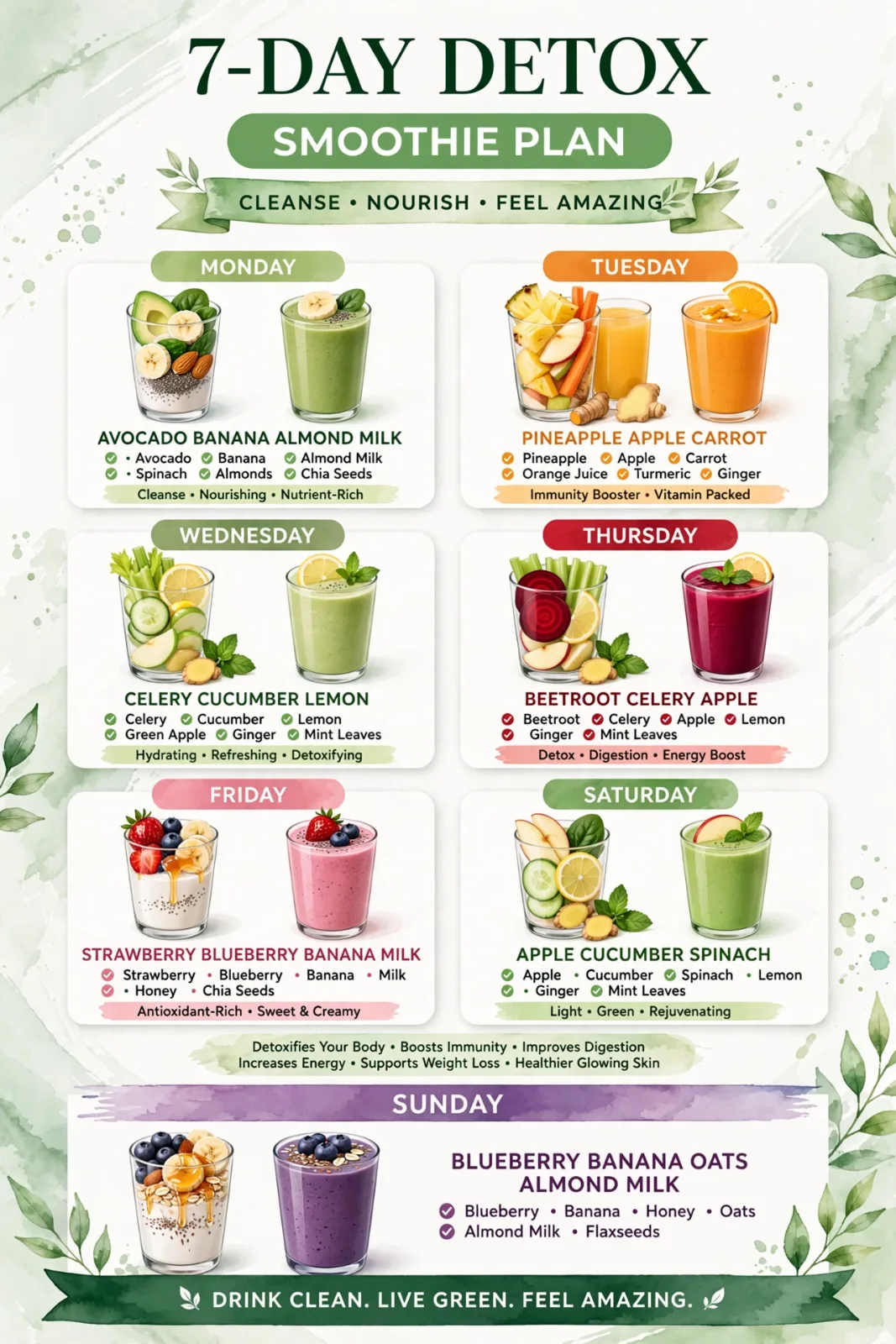
Creamy Green Avocado Banana Almond Smoothie
Expert Blending Techniques & Equipment Guide
Getting that velvety, lump-free texture isn’t just about tossing everything in and hoping for the best. The order you add ingredients matters more than you might think. Start with the soft, watery items first—your almond milk goes in before anything else. Then add the avocado, banana, spinach, chia seeds, and almonds on top. This layering helps the blades catch the leafy greens and nuts early, preventing them from spinning around untouched at the top of the pitcher. If you’re using a standard blender rather than a high-speed model like a Vitamix, this trick alone can make the difference between a smooth sip and a chewy one.
For those with high-powered blenders, you can afford to be a little more carefree, but even then, pulsing a few times before running it continuously gives you a more uniform blend. If your machine has a smoothie setting, use it—it’s designed to ramp up and down in a way that pulls ingredients down into the vortex. For older or less powerful blenders, blend in two stages: first the spinach and almond milk alone until no leafy flecks remain, then add the rest and blend until creamy. This prevents spinach bits from hiding in the final product.
If you don’t have a blender at all, a food processor can work in a pinch, though the texture will be slightly less smooth. You might need to scrape down the sides a few times and add an extra splash of almond milk. A handheld immersion blender is another option, but it works best if you use a deep, narrow container to keep everything contained. And if you’re really in a bind, a mortar and pestle will only get you so far—trust me, I’ve tried, and it’s not worth the arm workout.
One more tip: don’t over-blend. Once the smoothie is uniformly creamy, stop. Running the blender for minutes on end introduces air, which makes the smoothie foamy and less pleasant to drink. A good rule of thumb is 30 to 60 seconds on high, depending on your machine. If you see tiny specks of spinach or almond, that’s fine—they add character and fiber. But if you’re serving it to a picky eater, blend a little longer or strain it through a fine-mesh sieve, though you’ll lose some fiber.
Ingredients
- 1 ripe avocado
- 1 ripe banana
- 1 cup unsweetened almond milk
- 1 handful fresh spinach
- 10 raw almonds
- 1 tbsp chia seeds
Instructions
- Add avocado, banana, spinach, almonds, and chia seeds into the blender.
- Pour in almond milk.
- Blend until smooth and creamy.
- Pour into a glass and serve fresh.
Storage, Meal Prep & Serving Suggestions
This smoothie is at its absolute best when enjoyed immediately—cold, thick, and vibrant green. But life happens, and sometimes you need to make it ahead. If you’re prepping for the week, I recommend building freezer packs. Grab a few zip-top bags or reusable silicone pouches and portion out the avocado (cut into chunks), banana (sliced), spinach, almonds, and chia seeds. Seal and freeze. When you’re ready, dump the contents into your blender, add a cup of almond milk, and blend. No measuring, no thinking—just breakfast in under two minutes.
If you’d rather store the finished smoothie, pour it into a mason jar and fill it all the way to the top to minimize air exposure. Screw on the lid and refrigerate for up to 24 hours. You’ll notice some separation—that’s natural. Just give it a good shake or stir before drinking. The color may darken slightly due to oxidation, but it’s still safe and tasty. For longer storage, freeze the smoothie in ice cube trays. Once frozen, transfer the cubes to a freezer bag. When you want a single serving, blend about 8 to 10 cubes with a splash of almond milk. It won’t be exactly like fresh, but it’s pretty darn close.
Serving-wise, this smoothie shines in a tall glass with a sprinkle of chia seeds or a few crushed almonds on top for crunch. A thin slice of banana on the rim is a nice touch if you’re feeling fancy. It pairs well with a light breakfast like toast or a handful of granola, but honestly, it’s filling enough to stand alone. For a post-workout treat, add a scoop of vanilla protein powder before blending. For a dessert-like twist, drizzle a little dark chocolate syrup inside the glass before pouring—it looks impressive and tastes indulgent.
One of my favorite ways to serve this is as a smoothie bowl. Reduce the almond milk to ¾ cup so it’s thicker, blend, and pour into a bowl. Top with sliced banana, fresh berries, coconut flakes, and a drizzle of almond butter. It’s a gorgeous, Instagram-worthy breakfast that feels like a treat but nourishes you deeply. Kids love it too—especially if you let them add their own toppings.
Additional Frequently Asked Questions
Can I use frozen avocado instead of fresh?
Yes, frozen avocado works beautifully. In fact, it makes the smoothie colder and thicker without diluting the flavor with ice. Just be sure to freeze ripe avocado chunks—not overly ripe ones—and use them within a few months. You may need to add an extra splash of almond milk to get the blender moving, since frozen avocado is quite hard.
What if I don’t have chia seeds?
Chia seeds add fiber, omega-3s, and a subtle thickening quality, but they’re not essential. You can substitute ground flaxseed, hemp hearts, or even a tablespoon of psyllium husk. If you omit them entirely, the smoothie will still be delicious—just slightly thinner. You could also add a tablespoon of oats for a similar thickening effect and extra fiber.
Is this smoothie keto-friendly?
Not strictly, because bananas are high in sugar and carbs. However, you can make a lower-carb version by swapping the banana for half an avocado and using a sugar-free sweetener like stevia or monk fruit. That version would be closer to keto, though still not perfectly aligned due to the natural sugars in avocado (which are minimal). For a true keto smoothie, omit the banana and use unsweetened almond milk, avocado, spinach, chia, and a keto-friendly sweetener.
Can I add protein powder?
Absolutely. A scoop of vanilla or unflavored protein powder turns this into a powerful post-workout recovery drink. Plant-based proteins like pea or hemp pair well with the green flavor. Whey protein also works if you’re not dairy-free. Add it along with the other ingredients and blend as usual. You may need a little extra almond milk to reach your desired consistency.
Why is my smoothie bitter?
Bitterness usually comes from an underripe avocado or too much spinach. Make sure your avocado is ripe—it should yield to gentle pressure and have a creamy, nutty flavor. If your spinach is mature or slightly wilted, it can taste bitter. Use baby spinach for a milder flavor. A pinch of salt or a drizzle of honey can help balance bitterness if it sneaks in.
Can I drink this every day?
Yes, it’s a wholesome, nutrient-dense choice for daily consumption. However, because it’s high in healthy fats and calories, you might want to adjust portion sizes based on your activity level and dietary needs. It’s a great daily breakfast or snack, but variety is key—rotate your smoothie ingredients to get a broad spectrum of nutrients. As with anything, moderation and balance are important.
How do I make it nut-free?
Simply omit the almonds and use a nut-free milk like oat, soy, or coconut. If you’re avoiding nuts due to allergies, double-check that your almond milk is truly nut-free (some brands process on shared equipment). You can replace the almonds with sunflower seeds or pumpkin seeds for a similar crunch and nutritional boost. Chia seeds are naturally nut-free, so they’re safe to keep.
Can I use a different green?
Of course. Kale, Swiss chard, or romaine all work well. Kale is a bit tougher, so blend it first with the almond milk until smooth. Swiss chard has a mild, slightly earthy flavor. Romaine is very mild and adds a lovely light green hue. Avoid strong-flavored greens like arugula or mustard greens unless you enjoy a peppery kick. Spinach remains my top pick for its neutral taste and creamy texture when blended.