Sunrise Glow Smoothie
Expert Blending Techniques & Equipment Guide
Getting that perfect smoothie texture isn't just about tossing everything in and hoping for the best. The order you add ingredients matters more than you might think. Always start with your liquids—almond milk, coconut water, or whatever you're using—followed by soft ingredients like yogurt and banana, then frozen fruit on top. This layering prevents air pockets and ensures everything gets pulled down into the blades evenly. If you've ever ended up with a chunk of frozen mango spinning around untouched at the top, you know exactly what I mean.
Your blender matters too. A high-powered blender like a Vitamix or Ninja will pulverize frozen fruit into a silky, lump-free drink in under a minute. If you're working with a standard blender, don't despair—just blend in two stages. First, blend the liquid, yogurt, and banana until smooth. Then add the frozen fruit and blend again, using the tamper or pausing to scrape down the sides as needed. Patience is key here; overworking a weaker motor can cause it to overheat.
For an extra-smooth result, try soaking your chia seeds or flaxseed beforehand if you're adding them. A quick 10-minute soak in a little water turns them into a gel that blends seamlessly and adds a creamy mouthfeel without any grittiness. And if you're using fresh fruit instead of frozen, freeze your banana slices ahead of time. Frozen banana is the secret weapon of smoothie lovers everywhere—it creates that thick, milkshake-like consistency without any ice crystals.
Temperature also plays a role. If your freezer runs very cold, let the fruit sit on the counter for two or three minutes before blending. Not enough to thaw it completely, but just enough to take the rock-hard edge off. This small step can save your blender's blades and give you a smoother drink. And always taste as you go. A smoothie is forgiving—if it's too tart, add half a banana; too thick, splash in more milk; too thin, toss in a few more frozen chunks.
Ingredients
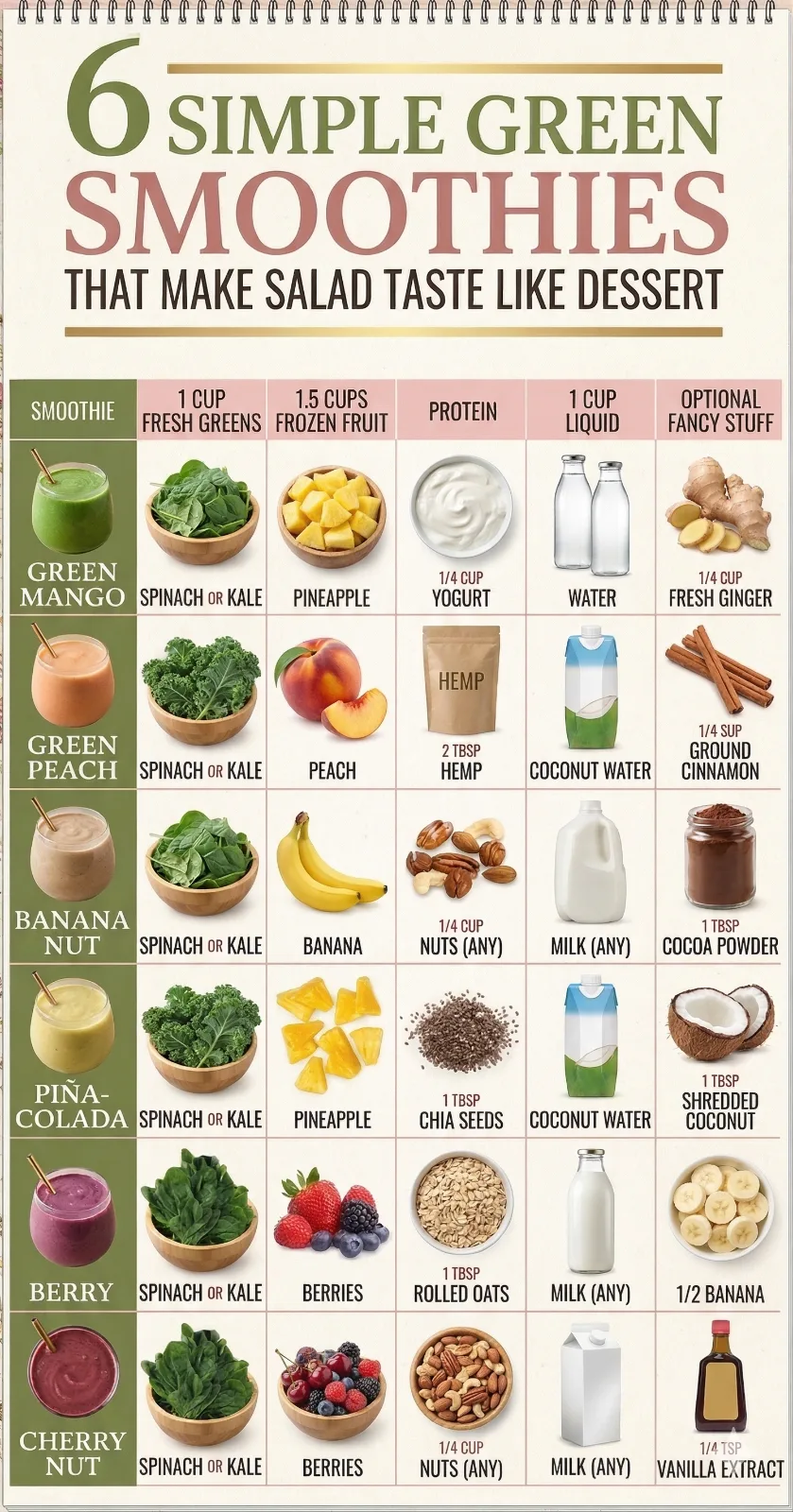
- 1 cup frozen mango chunks
- 1 cup frozen pineapple chunks
- 1 ripe banana
- 1/2 cup plain Greek yogurt
- 1 cup unsweetened almond milk (or coconut water)
- 1 tablespoon honey or maple syrup (optional)
- 1/2 teaspoon vanilla extract
- Ice cubes (optional, if using fresh fruit)
Instructions
- Add the almond milk, Greek yogurt, and vanilla extract to the blender first. This helps create a smooth base and prevents ingredients from sticking to the blades.
- Next, add the frozen mango, pineapple, and banana. If you're using fresh fruit instead of frozen, add a handful of ice cubes now.
- If you like it sweeter, drizzle in the honey or maple syrup.
- Secure the lid and blend on high speed for 45-60 seconds, or until completely smooth and creamy. If needed, stop and scrape down the sides, then blend again.
- Pour into two glasses and serve immediately. Garnish with a slice of fresh mango or a sprinkle of coconut flakes if desired.
Storage, Meal Prep & Serving Suggestions
Smoothies are best enjoyed fresh, but life doesn't always cooperate. If you need to make it ahead, pour it into an airtight glass jar and fill it all the way to the brim. That little bit of extra effort pushes out the air that causes oxidation and browning. Stored this way, it'll hold up in the fridge for about 24 hours. Just give it a vigorous shake before drinking, since natural separation happens—especially with almond milk.
For longer storage, freezer smoothie packs are a game-changer. Portion the mango, pineapple, and banana into individual zip-top bags or reusable silicone bags. When you're ready to blend, dump the frozen contents into your blender, add the yogurt and almond milk, and you're done in under two minutes. It's the ultimate grab-and-go breakfast for busy weekday mornings. You can even freeze the finished smoothie in ice cube trays and re-blend the cubes later with a splash of liquid for a quick refresh.
When it comes to serving, this smoothie shines in a tall glass with a paper straw and a wedge of fresh pineapple on the rim. For a brunch spread, pour it into small mason jars and top with a sprinkle of toasted coconut, granola, or a few fresh berries. It also makes a stunning base for smoothie bowls—just reduce the liquid by half, blend until very thick, and pour into a bowl. Then go wild with toppings: sliced banana, mango chunks, chia seeds, almond slivers, and a drizzle of honey or nut butter.
If you're serving kids, try freezing the smoothie into popsicle molds for a healthy frozen treat. They'll never guess it's packed with fruit and yogurt. And for a grown-up twist, this smoothie pairs beautifully with a light lunch or as a post-workout recovery drink. The natural sugars replenish glycogen, while the protein from Greek yogurt helps repair muscles. Just don't let it sit out at room temperature for more than an hour—bacteria can start to multiply, and no one wants a tummy ache from a perfectly good smoothie.
Additional Frequently Asked Questions
Can I use frozen fruit that's been sitting in the freezer for months?
As long as it was properly stored and hasn't developed freezer burn, it's perfectly safe. Freezer burn affects texture and flavor more than safety—those icy white patches mean the fruit has dried out a bit. You can still use it, but the smoothie might be slightly less sweet and a bit icier. To compensate, add an extra half banana or a drizzle of honey. For best results, try to use frozen fruit within three to six months.
Is it okay to drink this smoothie every day?
Absolutely, as long as it fits within your overall balanced diet. This smoothie is packed with vitamins, fiber, and protein, making it a nutritious choice. However, variety is important—rotating different fruits and vegetables ensures you get a wide range of nutrients. Also, keep an eye on added sugars. If you're drinking it daily, you might want to skip the honey and rely on the natural sweetness of the fruit. And remember, a smoothie shouldn't replace whole meals entirely unless you're intentionally supplementing.
What's the best time to drink a smoothie?
It depends on your goals. For breakfast, it's a quick, energizing start that keeps you full until lunch. Post-workout, the protein and carbs help with recovery and muscle repair. As a snack, it can curb afternoon cravings and prevent you from reaching for less healthy options. Some people prefer it as a light dinner if they've had a heavy lunch. The key is listening to your body—if you feel sluggish after drinking it, try adjusting the ingredients or timing.
Can I add protein powder to this recipe?
Definitely. A scoop of vanilla or unflavored protein powder—whey, plant-based, or collagen—blends in beautifully and boosts the protein content by 15-25 grams. If you're using a flavored protein powder, you might want to reduce or skip the sweetener, as many powders already contain stevia or monk fruit. Add a little extra liquid if the smoothie becomes too thick. This is a great way to turn your smoothie into a more substantial meal replacement.
How do I prevent my smoothie from separating?
Separation is natural, especially if you're using almond milk or watery fruits. To minimize it, blend on high for a full minute, which emulsifies the ingredients more thoroughly. Adding a tablespoon of chia seeds, flaxseed meal, or nut butter helps bind everything together. If you're storing it, shake or stir before drinking. And if you're using a lot of ice, consider cutting back—ice melts and dilutes the mixture, causing faster separation. Frozen fruit is always a better choice for a stable, creamy texture.