Creamy Tropical Mango Smoothie
Expert Blending Techniques & Equipment Guide
Getting that velvety, lump-free texture isn't just about tossing everything in and hitting the button. The order you add ingredients matters. Start with the liquids—milk and honey—then add the soft items like Greek yogurt and mango chunks, and finally the ice on top. This layering helps the blades catch everything evenly and prevents air pockets that leave unblended fruit stuck near the top. If your blender tends to struggle, give it a quick pulse a few times before switching to a continuous blend. That simple trick saves wear on the motor and gives you a smoother result.
Your blender's power plays a big role too. A high-speed blender like a Vitamix or Ninja will pulverize ice and fibrous mango in seconds, yielding a silky, almost milkshake-like consistency. If you're working with a standard or older blender, chop the mango into smaller pieces and consider using frozen mango instead of ice—it blends more easily and still gives you that frosty chill. You can also add the ice gradually, a few cubes at a time, rather than dumping it all in at once.
For an extra-smooth finish, blend for a full 45 to 60 seconds, even after everything looks combined. That extra time breaks down any remaining fiber and incorporates air, making the smoothie feel lighter and creamier. If you prefer a thinner drink, splash in a little more milk at the end and blend for another five seconds. And if you like a thicker, spoonable smoothie, hold back on the milk and let the frozen fruit do the work. A tamper or spatula can help push ingredients down, but always turn the blender off before using one.
Ingredients
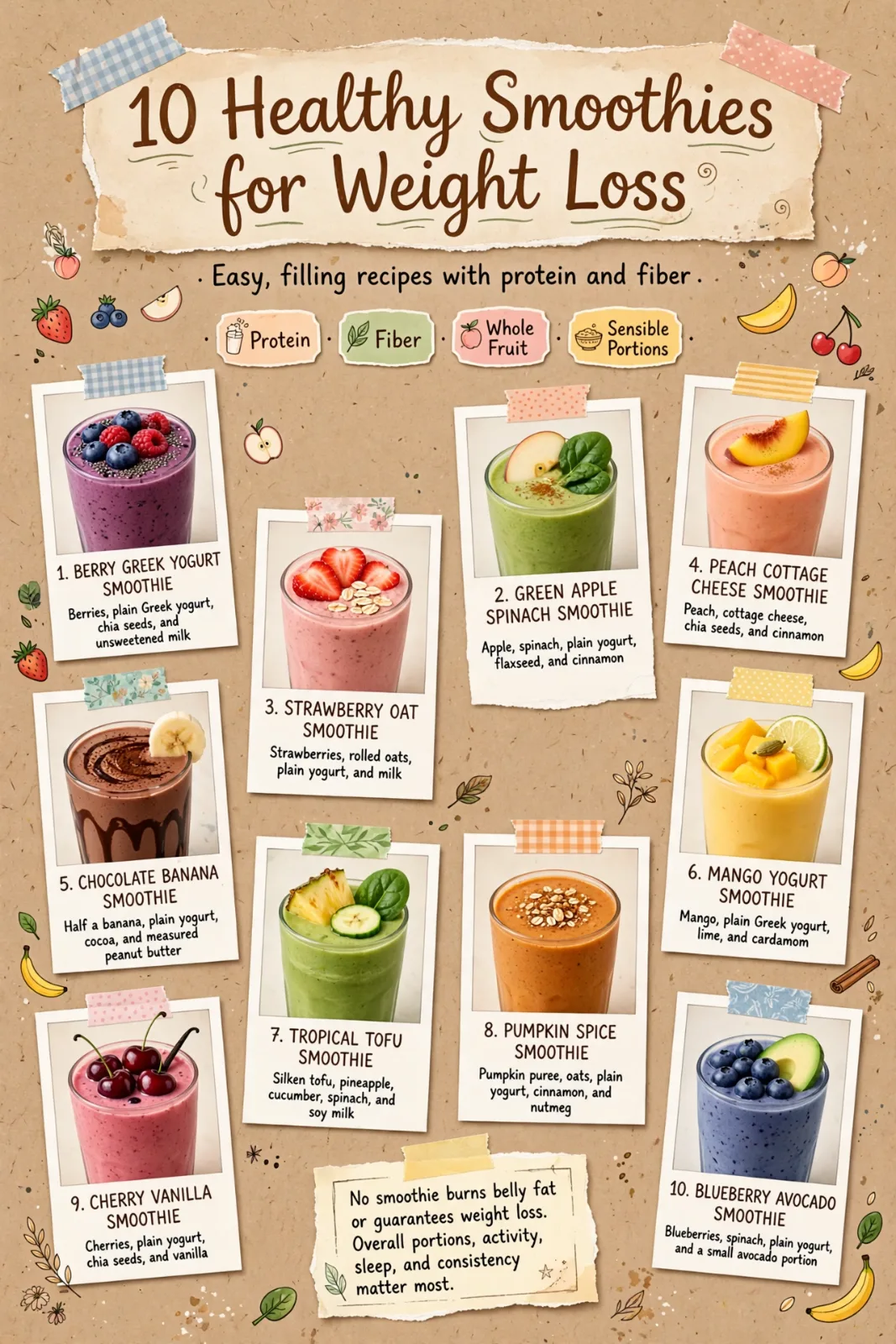
- 2 cups ripe mango, peeled and chopped
- 1/2 cup Greek yogurt
- 1/2 cup milk (any kind)
- 2 tablespoons honey
- 1 cup ice cubes
Instructions
- Peel and chop the mango.
- Add mango pieces, Greek yogurt, milk, honey, and ice cubes to a blender.
- Blend until smooth and creamy.
- Pour into glasses and serve chilled.
Storage, Meal Prep & Serving Suggestions
Smoothies are at their absolute best when enjoyed fresh, but life gets busy, and a little planning goes a long way. If you want to prep ahead, portion your chopped mango, Greek yogurt, and honey into freezer-safe bags or containers. When morning rolls around, just dump the contents into the blender with milk and ice, and you're minutes away from breakfast. These pre-made packs keep for up to three months in the freezer, so you can make a big batch on Sunday and coast through the week.
If you've already blended a full pitcher and have leftovers, pour it into a mason jar or airtight bottle and store it in the fridge for up to 24 hours. The smoothie will separate a bit as it sits—that's completely normal. Just give it a vigorous shake or stir before drinking. For longer storage, you can freeze the smoothie in ice cube trays, then pop the cubes into a bag. When you're ready, re-blend the cubes with a splash of milk for an instant revival. This is a brilliant way to avoid waste and have smoothie cubes ready for smoothie bowls or future blends.
Serving-wise, this mango smoothie shines in a chilled glass with a fun straw. For a prettier presentation, drizzle a little honey around the inside of the glass before pouring, or top with a few fresh mango cubes, a sprinkle of shredded coconut, or a mint sprig. It pairs wonderfully with a light breakfast like avocado toast or a handful of nuts, and it's also a refreshing afternoon pick-me-up. If you're hosting brunch, set up a smoothie bar with extra toppings like granola, chia seeds, and sliced banana so guests can customize their own. And don't forget: this smoothie makes a fantastic base for a smoothie bowl—just reduce the milk slightly and pour into a bowl, then load it up with your favorite garnishes.
Additional Frequently Asked Questions
Can I add vegetables to this mango smoothie?
Definitely! Mango's sweet, bold flavor does a great job masking the taste of mild greens. A handful of baby spinach or kale will boost the nutrition without changing the taste much—though it will turn the color green. If you want to keep that sunny yellow-orange hue, try adding steamed and frozen cauliflower rice or a scoop of cooked sweet potato instead. Both add creaminess and nutrients without altering the flavor profile too much. Just start with a small amount and adjust.
What type of mango works best for this recipe?
Ataulfo mangoes, also known as honey mangoes, are ideal because they're incredibly sweet, creamy, and virtually fiber-free, which means a smoother blend. Tommy Atkins mangoes are more common but can be a bit stringy and less sweet. If you're using frozen mango, look for brands that use ripe, sweet varieties. Ultimately, any ripe mango will work—just make sure it gives slightly when you press it and smells fragrant. If your mango isn't quite ripe, you can boost the sweetness with an extra drizzle of honey or a ripe banana.
Can I turn this into a mango protein shake?
Absolutely. Add a scoop of vanilla or unflavored protein powder to the blender along with the other ingredients. You may need to add an extra splash of milk to reach your desired consistency. This turns your smoothie into a powerful post-workout recovery drink with 20-30 grams of protein, depending on the powder you use. Greek yogurt already adds some protein, so you're doubling up on muscle-friendly nutrients. If you prefer a plant-based protein, a scoop of pea or hemp protein works well too.
Is this smoothie safe for kids?
Yes, it's a kid-friendly favorite! The natural sweetness from mango and honey makes it appealing to little ones, and the yogurt and milk provide calcium and protein for growing bodies. For children under one year old, skip the honey due to the risk of infant botulism and use a mashed banana or a date instead. You can also reduce the honey amount for older kids if you're watching their sugar intake. Serve it in a sippy cup or a small glass with a straw, and watch them slurp it down.
How can I make this smoothie less sweet?
If you find it too sweet, there are several easy fixes. First, omit the honey entirely—ripe mangoes are already quite sweet. Second, use unsweetened Greek yogurt and unsweetened milk. Third, add a squeeze of fresh lime juice or a pinch of salt to balance the sweetness and brighten the flavor. You can also increase the proportion of yogurt to mango, which adds tanginess. Finally, if you're using a very sweet mango variety, consider pairing it with a tart fruit like raspberries or blackberries for a more complex taste.