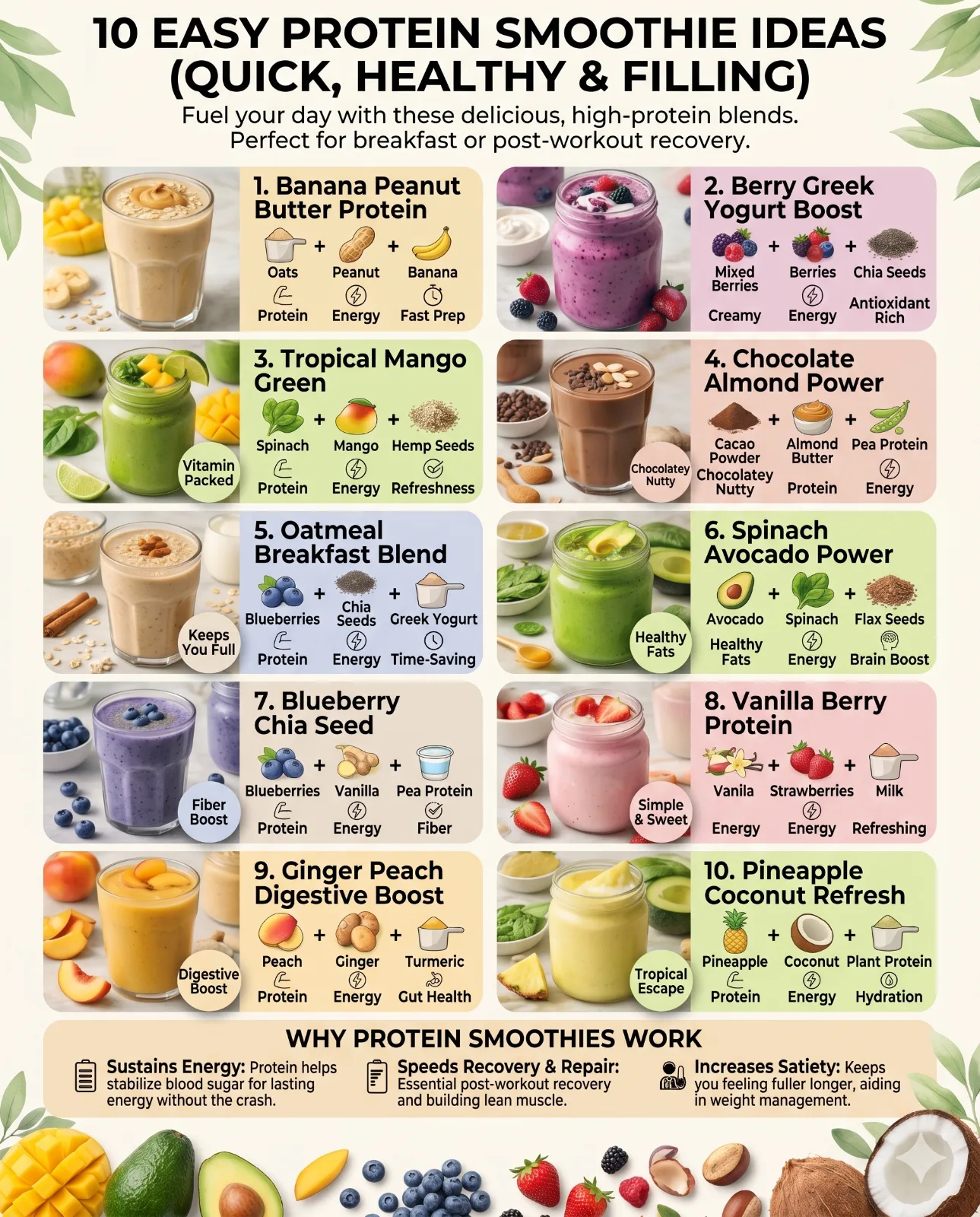
Sunrise Glow Smoothie
Nutritional Deep Dive & Health Benefits
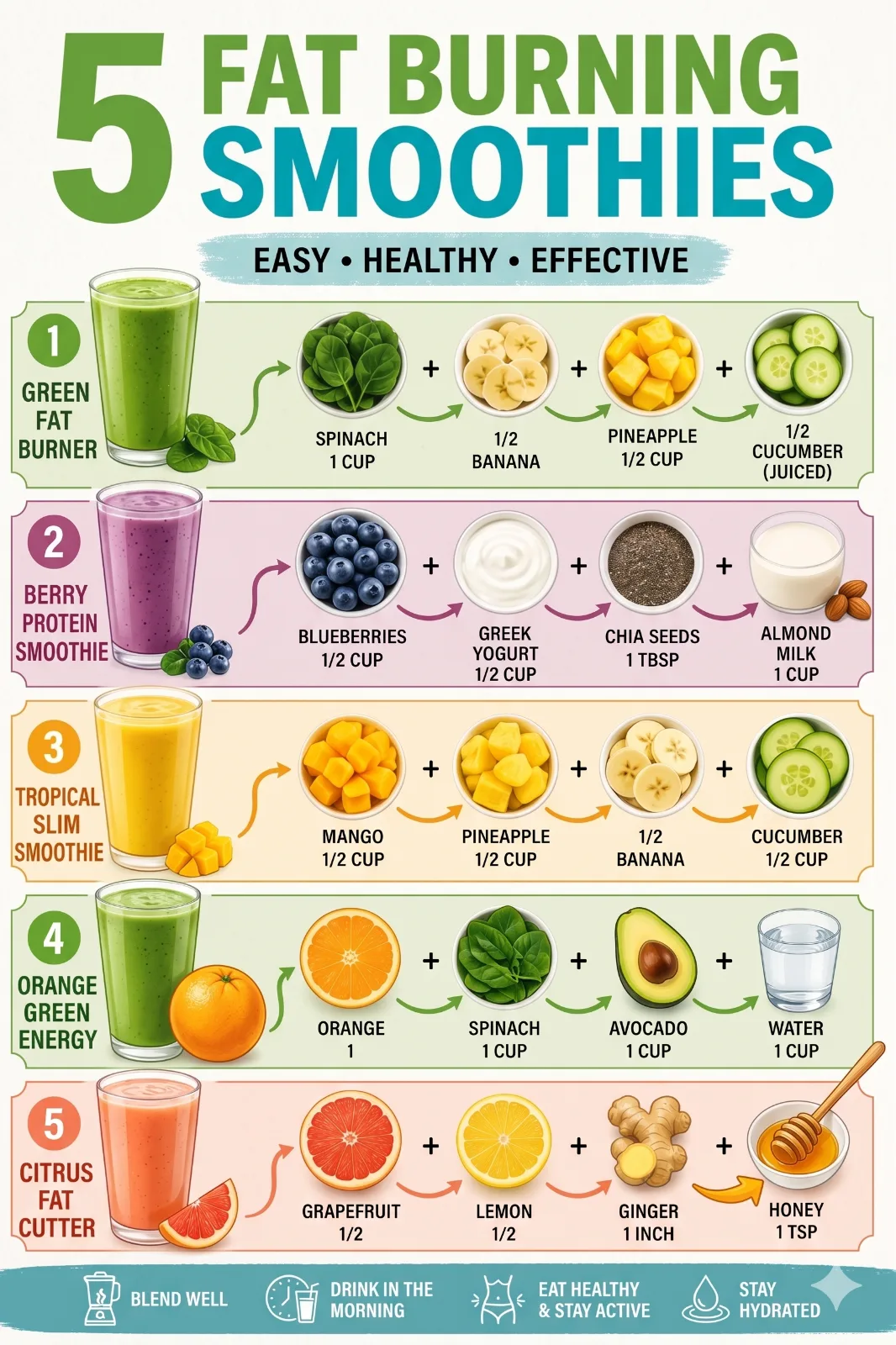
Let's go deeper into why this Sunrise Glow Smoothie is more than just a pretty drink. Mango, the star of the show, delivers over 60% of your daily vitamin C in a single cup, along with vitamin A for vision and skin repair, and folate for cell division. Pineapple adds a powerful enzyme called bromelain, which studies suggest can ease digestion and reduce bloating after a heavy meal. Banana brings potassium to balance sodium levels, supporting healthy blood pressure, plus vitamin B6 for brain function and mood regulation. Coconut water is a natural electrolyte powerhouse—potassium, magnesium, sodium, and calcium—making it ideal for rehydration after exercise or a hot day. If you include Greek yogurt, you're adding probiotics that feed your gut microbiome, plus protein to keep hunger at bay. The optional honey offers trace amounts of antioxidants and enzymes, though you can skip it if you're watching sugar. Together, these ingredients create a synergistic blend that supports immunity, digestion, heart health, and even skin elasticity. The fiber from whole fruit (not juice) slows sugar absorption, preventing the crash you might get from a candy bar. And because it's blended, your body can absorb these nutrients quickly—perfect for a morning pick-me-up or post-workout recovery. I always feel energized and satisfied after drinking this, never sluggish. It's a delicious way to sneak more fruits into your day, especially for picky eaters or kids who turn their noses up at plain fruit. Plus, the vibrant orange color is a mood booster in itself—it's like sunshine in a glass.
Ingredients
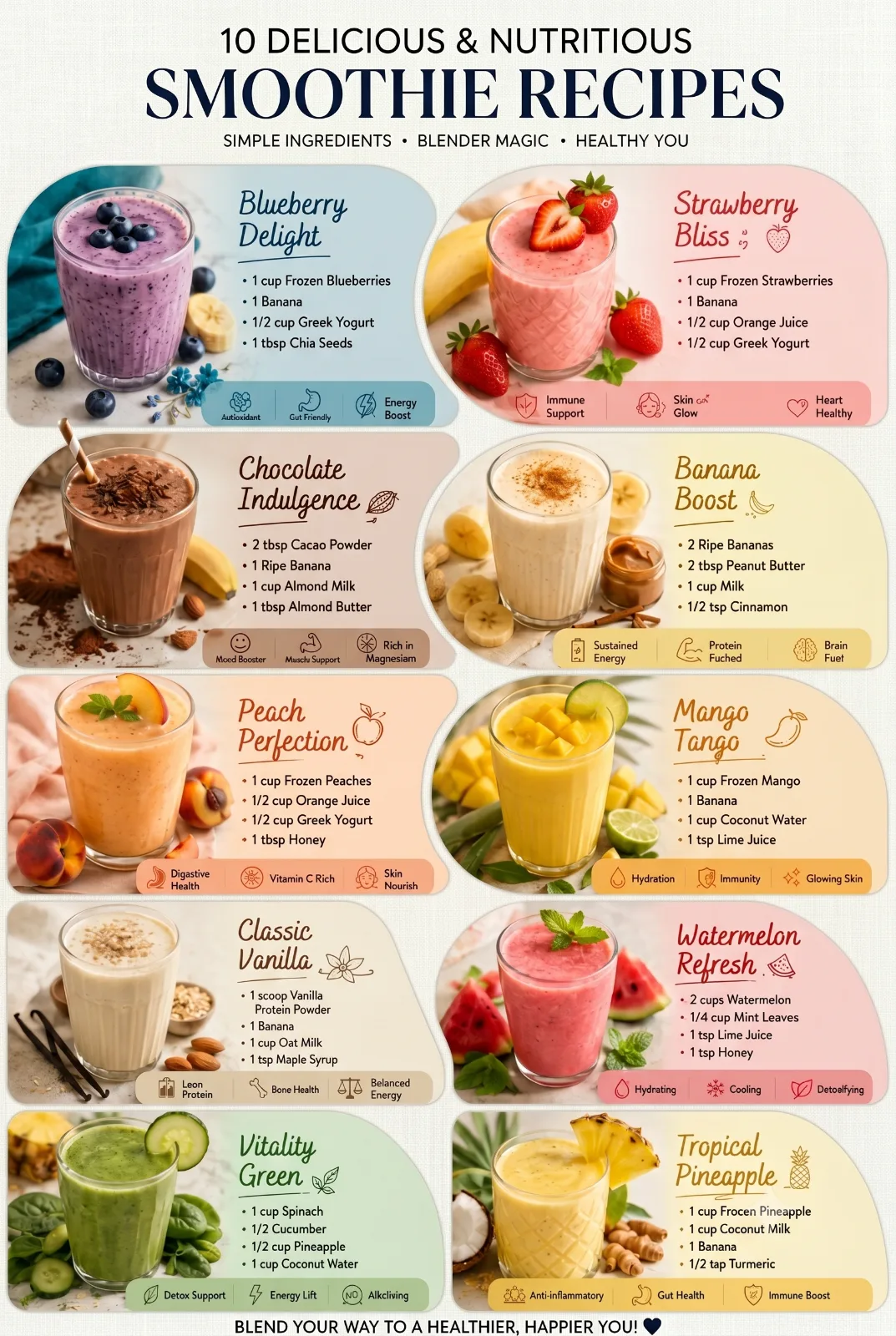
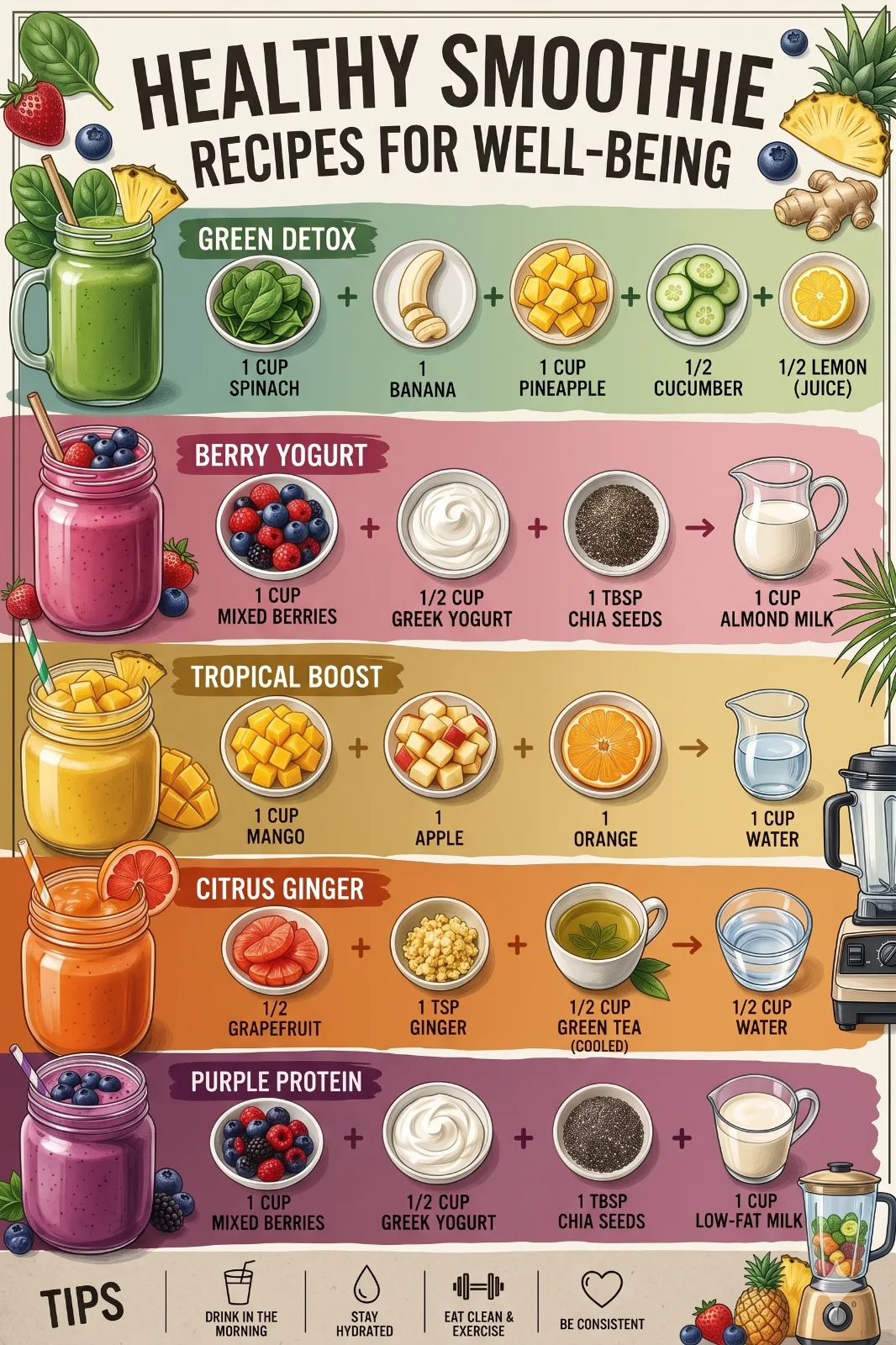
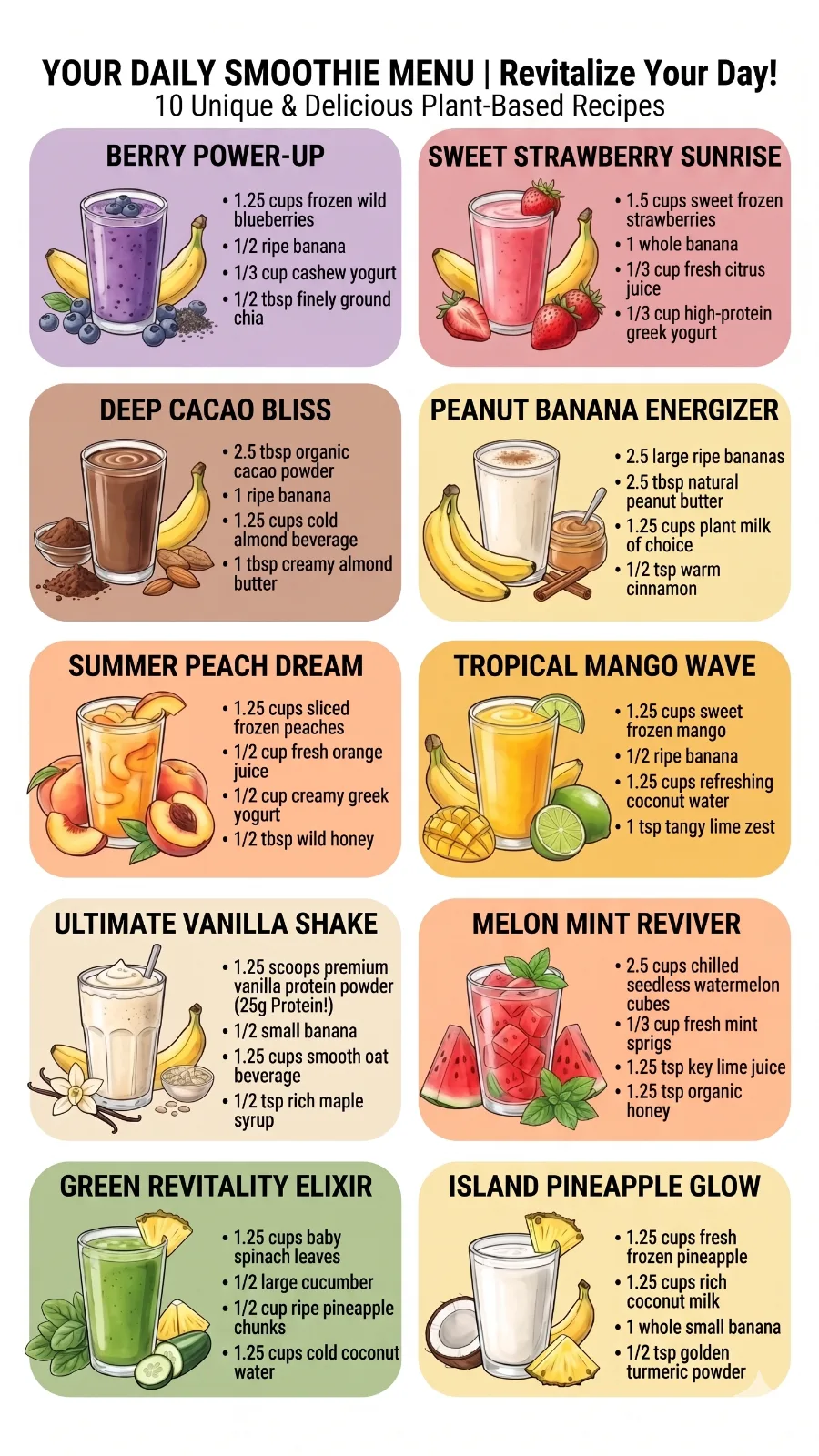
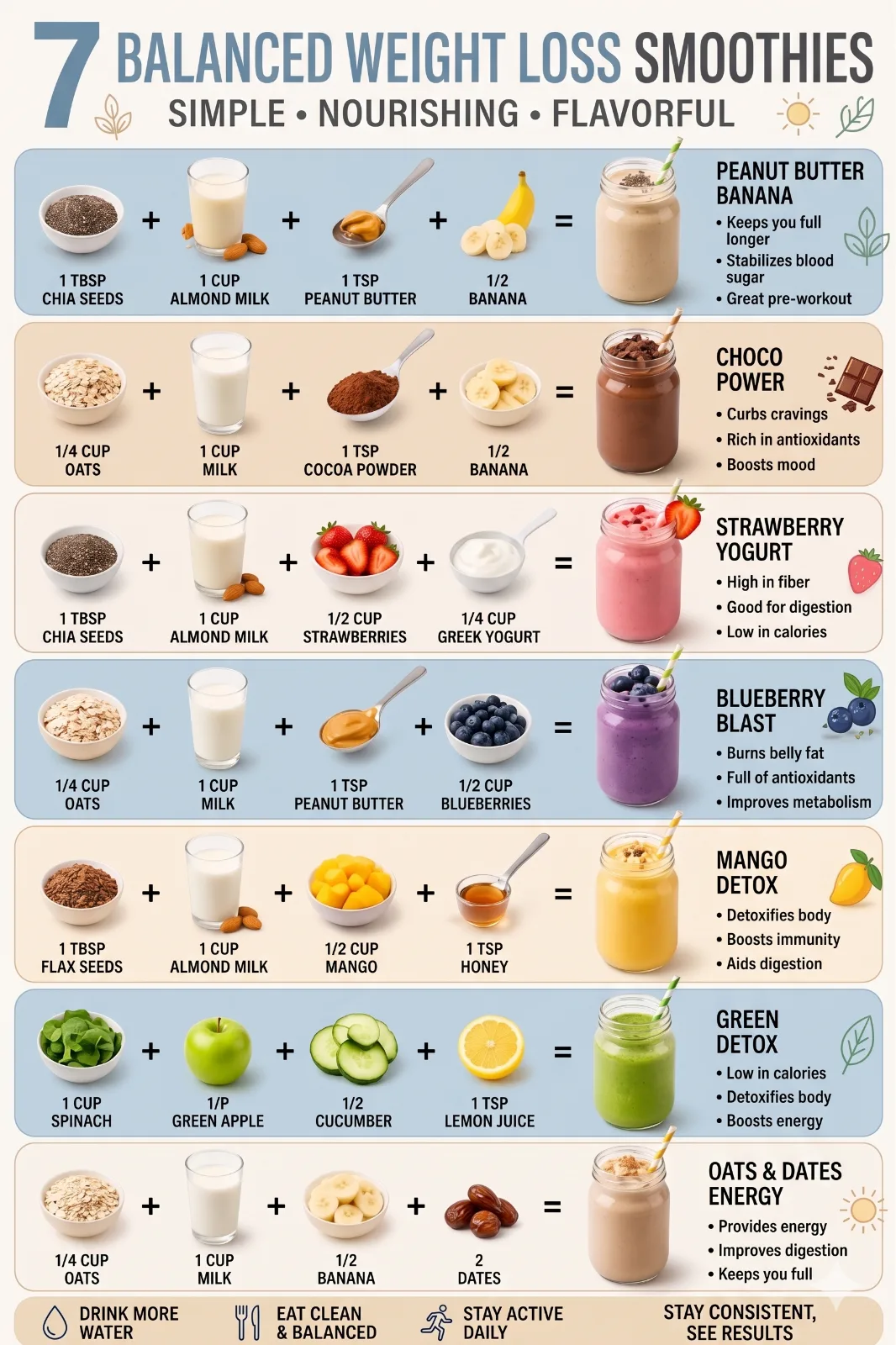
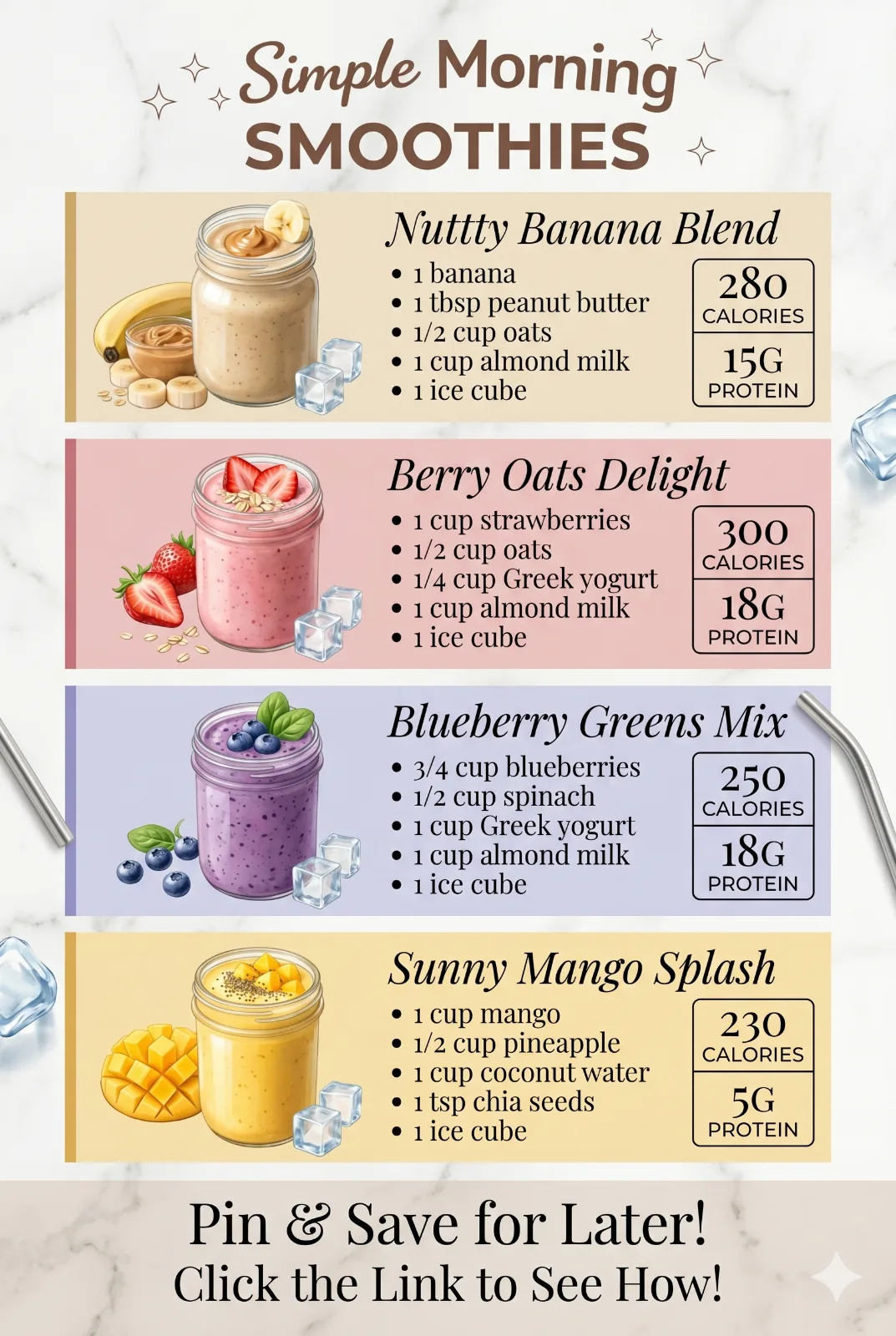
- 1 cup frozen mango chunks
- 1 cup frozen pineapple chunks
- 1 ripe banana
- 1 cup coconut water
- 1/2 cup Greek yogurt (optional, for creaminess)
- 1 tablespoon honey or maple syrup (optional)
- Ice cubes (optional, if fruits aren't frozen)
Instructions
- Add the coconut water, mango, pineapple, banana, and Greek yogurt (if using) to a blender.
- If you like it sweeter, drizzle in the honey or maple syrup.
- Blend on high speed until completely smooth. If the mixture is too thick, add a little more coconut water until it reaches your desired consistency.
- Taste and adjust sweetness if needed. Pour into glasses and serve immediately. Enjoy your Sunrise Glow Smoothie!
Expert Blending Techniques & Equipment Guide
Getting the perfect smoothie texture isn't just about tossing everything in and hoping for the best. Here are my tried-and-true techniques for a silky, lump-free result every time. First, order matters: always pour liquids in first, then soft ingredients (like yogurt or banana), then frozen fruit on top. This prevents the blades from getting stuck and ensures even blending. If you're using a standard blender, start on low speed to break up the fruit, then gradually increase to high. For a high-powered blender like a Vitamix or Blendtec, you can go straight to high—just be careful not to over-blend, which can warm the smoothie and melt the frosty texture. If your blender struggles, pulse a few times before running continuously. Another trick: let frozen fruit sit at room temperature for 2-3 minutes before blending. It softens just enough to blend smoothly without turning to mush. For an extra-smooth consistency, strain the smoothie through a fine-mesh sieve after blending—though you'll lose some fiber. As for equipment, a high-speed blender is a game-changer, but you can absolutely make this in a regular blender or even a food processor (though the texture will be slightly less velvety). If you're using a personal blender like a NutriBullet, make sure not to overfill it, and shake it a bit midway. Always scrape down the sides with a spatula if needed. And don't forget to rinse your blender immediately after use—dried smoothie is a pain to clean! A quick blend of warm water and a drop of dish soap does the trick. With these tips, you'll get a barista-quality smoothie at home.
Storage, Meal Prep & Serving Suggestions
Meal prep is your secret weapon for busy mornings. I like to portion out the mango, pineapple, and banana into individual freezer bags or containers. Then, when I'm ready to blend, I just dump the frozen fruit into the blender, add coconut water and yogurt, and blend. This saves so much time and reduces decision fatigue. If you're making a big batch, you can blend multiple servings at once and store them in airtight mason jars in the fridge for up to 24 hours. Just remember to shake well before drinking, as natural separation occurs. For longer storage, pour the smoothie into ice cube trays and freeze. Once frozen, transfer the cubes to a freezer bag. When you want a smoothie, pop a few cubes into the blender with a splash of liquid and blend—instant single-serve smoothie! This is also great for adding to yogurt bowls or oatmeal. As for serving, this smoothie is delightful in a tall glass with a paper straw, garnished with a slice of fresh mango or a sprig of mint. For a fancy brunch, serve it in a chilled glass with a swirl of coconut cream on top. It also makes a fantastic base for smoothie bowls—just pour it into a bowl and top with granola, sliced banana, chia seeds, and shredded coconut. Kids love it as a popsicle: pour into molds and freeze for a healthy frozen treat. You can also use it as a mixer for cocktails (add a splash of rum for a tropical adult version) or as a dressing for fruit salads. The possibilities are endless. Just remember, if you're taking it to work or school, use an insulated bottle to keep it cold and fresh.
Additional Frequently Asked Questions
Can I use frozen fruit instead of fresh?
Absolutely! In fact, I recommend frozen fruit for a thicker, frostier smoothie. Frozen mango and pineapple are picked at peak ripeness and flash-frozen, so they retain their nutrients and flavor. Just adjust the liquid—you might need a little more coconut water if your blender struggles. If you only have fresh fruit, add a handful of ice cubes to get that chilly texture.
How can I make this smoothie without a blender?
While a blender is ideal, you can make a version using a food processor or even a hand blender (immersion blender). If you're really in a pinch, mash the banana with a fork, finely chop the mango and pineapple, and shake everything together in a jar with coconut water. The texture will be chunkier, but it's still tasty. Another option: use a juicer for the liquid part, then stir in mashed banana for body.
Is this smoothie safe for people with diabetes?
It can be, but you need to be mindful of portion sizes and added sugars. The natural sugars from fruit are balanced by fiber, which slows absorption. However, if you're diabetic, skip the honey and use unsweetened Greek yogurt or skip it altogether. Consider adding more greens like spinach and using berries instead of mango and pineapple, as berries have a lower glycemic index. Always consult your healthcare provider for personalized advice.
What if I don't like coconut water?
No problem! You can substitute with plain water, almond milk, oat milk, or even regular milk. Coconut water has a distinct flavor, but if you're not a fan, any liquid works. For a creamier smoothie, use a plant-based milk like coconut milk beverage (not canned) or soy milk. You can also use leftover tea or even orange juice for a citrus twist.
Can I add vegetables to this smoothie?
Yes! This is a great way to sneak in veggies. Spinach and kale are the most common—they blend well and their flavor is masked by the fruit. You can also add a small piece of cooked beet for a vibrant pink color and earthy sweetness, or a few slices of cucumber for extra hydration. Start with a small handful and increase gradually. Cauliflower rice (frozen) also adds creaminess without altering the taste much. Just avoid strong-flavored veggies like broccoli or Brussels sprouts unless you really love them.