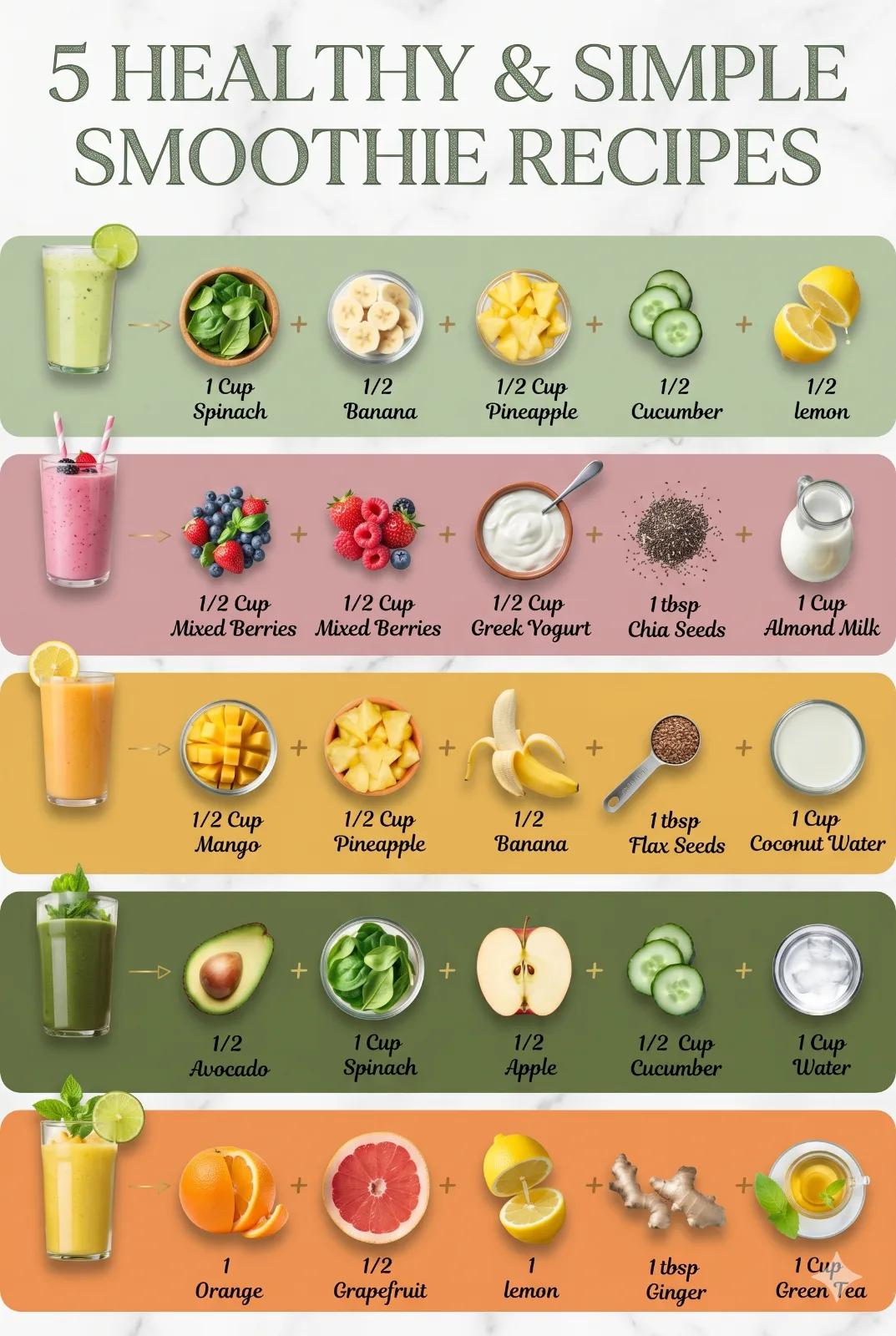
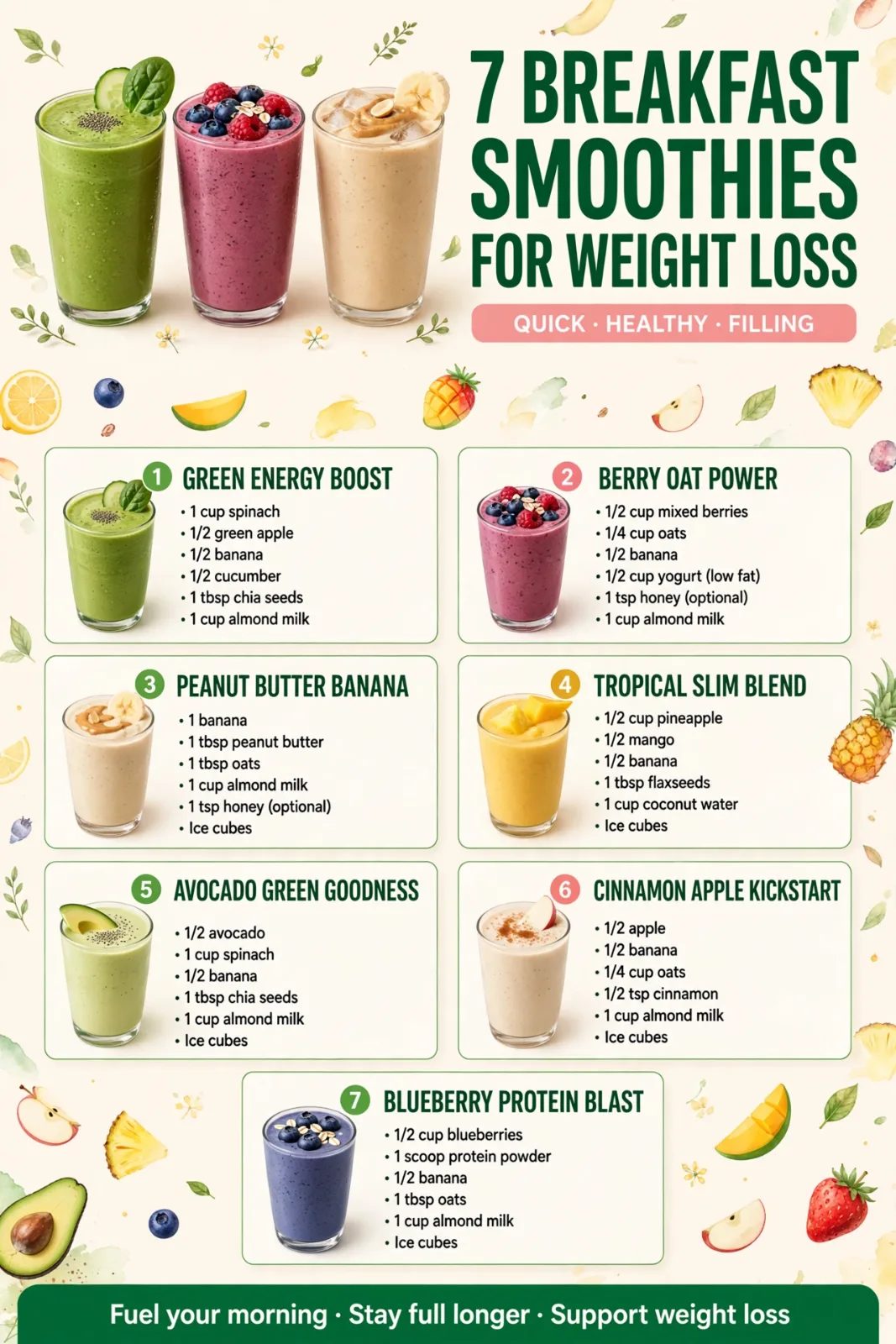
Sunshine Citrus Pineapple Orange Smoothie
Expert Blending Techniques & Equipment Guide
Getting that perfectly smooth, velvety texture isn't just about tossing everything in and hitting the button. There's a bit of an art to it, and with a few simple techniques, you can elevate your smoothie game from good to absolutely amazing. First, let's talk about the order of ingredients in your blender. Always start with the softest, wettest ingredients at the bottom near the blades. That means your Greek yogurt and orange segments go in first. They create a liquid base that helps the blades spin freely. Next, add your softer fruits like strawberries and pineapple chunks. Finally, top with firmer items like apple pieces. This layering prevents the dreaded air pocket that leaves chunks of fruit untouched.
If you're using frozen fruit, you might need a liquid to get things moving. A splash of water, coconut water, or even orange juice works wonders. Add just a little at a time—you can always add more, but you can't take it out. Start your blender on low speed to break up the fruit, then gradually increase to high. This gradual increase ensures a smoother blend and prevents the motor from overheating. If your blender has a tamper, use it to push down any stubborn pieces. And don't be afraid to stop and scrape down the sides with a spatula. A few extra seconds of blending can make all the difference between a chunky smoothie and a silky one.
Now, about equipment: while a high-powered blender like a Vitamix or Blendtec is a dream, you don't need one to make a great smoothie. A standard blender can do the job if you follow the layering technique and blend a bit longer. If you're using a bullet-style blender, make sure not to overfill it, and shake it occasionally to redistribute the contents. For an ultra-smooth texture, you can also strain the smoothie through a fine-mesh sieve after blending, but that's optional. And if you're serious about smoothies, consider investing in a good quality blender—it's a game-changer. But regardless of your equipment, the key is patience and technique. Blend, taste, adjust, and blend again if needed. Your taste buds will thank you.
Ingredients
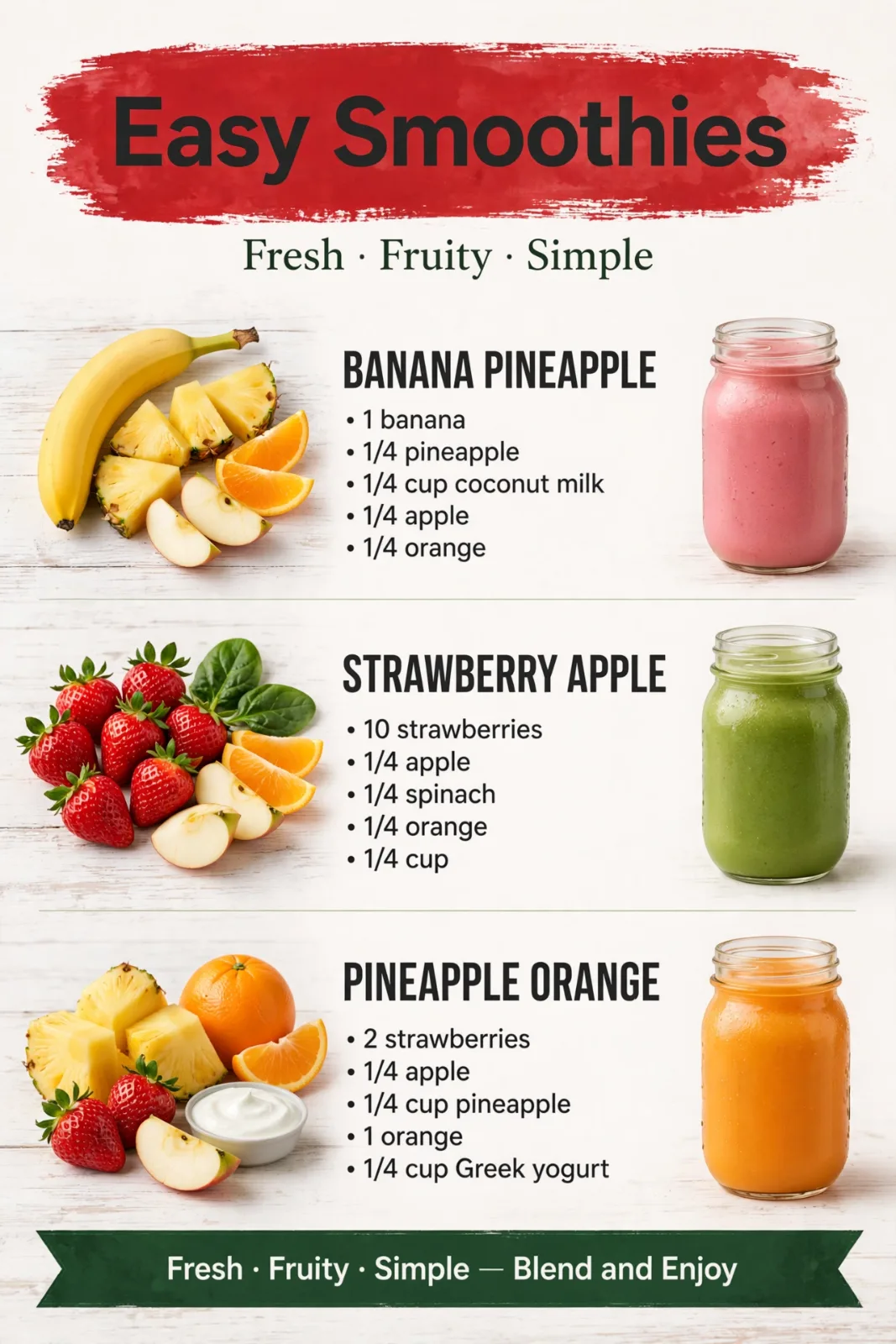
- 2 strawberries, hulled
- 1/4 apple, cored and chopped
- 1/4 cup pineapple chunks
- 1 orange, peeled and segmented
- 1/4 cup Greek yogurt
Instructions
- Hull the strawberries and cut the apple and pineapple into pieces.
- Peel and segment the orange.
- Add strawberries, apple, pineapple, and orange to a blender.
- Add 1/4 cup of Greek yogurt for creaminess.
- Blend all ingredients until smooth.
- Serve immediately in a glass.
Storage, Meal Prep & Serving Suggestions
We've all been there: you make a big batch of smoothie, and you can't finish it all. Or maybe you want to prep ahead for busy mornings. Good news—this Pineapple Orange smoothie stores beautifully if you do it right. The best way to store it is in an airtight container, like a mason jar, filled to the very top to minimize air exposure. Air is the enemy here because it causes oxidation, which can dull the color and flavor. If you have a vacuum-seal lid, even better. Pop it in the fridge, and it'll stay fresh for up to 24 hours. Just give it a good shake or stir before drinking, as separation is natural.
For longer storage, freezing is your friend. Pour the smoothie into ice cube trays and freeze. Once frozen, transfer the cubes to a freezer bag. When you're ready to enjoy, simply blend the cubes with a splash of liquid. This method keeps the smoothie fresh for up to three months. Alternatively, you can portion out the smoothie into freezer-safe bags, lay them flat to freeze, and then just break off a chunk when you need it. It's like having your own smoothie packs ready to go!
Meal prep is a breeze with this recipe. On Sunday, chop all your fruits and portion them into individual freezer bags. Include the strawberries, apple, pineapple, and orange segments. When morning comes, just dump the contents of one bag into your blender, add the Greek yogurt, and blend. You've got a nutritious breakfast in under two minutes. You can also prep the yogurt by portioning it into small containers or ice cube trays. If you're using ice cube trays, two cubes equal about 1/4 cup. This makes assembly even faster.
As for serving, this smoothie is versatile. Pour it into a tall glass with a fun straw for a refreshing drink. Or, make it a smoothie bowl by pouring it into a bowl and topping with granola, sliced bananas, coconut flakes, and a drizzle of honey. It's also a great base for a breakfast parfait: layer it with granola and fresh fruit in a glass. For a grown-up twist, you can add a splash of rum or vodka for a tropical cocktail (but maybe save that for the weekend!). However you serve it, this smoothie is a crowd-pleaser. It's perfect for breakfast, a post-workout snack, or an afternoon pick-me-up. And because it's so colorful, it's sure to brighten anyone's day.
Additional Frequently Asked Questions
Can I add other fruits to this smoothie?
Absolutely! This recipe is incredibly flexible. Mango, banana, or even a handful of spinach would blend beautifully. Mango adds a creamy sweetness, while banana makes it thicker and more filling. If you add spinach, you won't taste it, but you'll get an extra dose of iron and vitamins. Just be mindful of the overall liquid content—if you add juicy fruits like watermelon, you might not need any additional liquid. Feel free to experiment and make it your own.
How can I make this smoothie less tart?
If you find the smoothie too tangy, there are several ways to balance it out. The easiest is to add a natural sweetener like honey, maple syrup, or agave nectar. Start with a teaspoon and adjust to taste. You can also add a half banana, which adds sweetness and creaminess. Another option is to use a sweeter variety of apple, like Fuji or Gala, instead of Granny Smith. And if you're using Greek yogurt, try a vanilla-flavored one instead of plain—it adds a touch of sweetness without extra sugar.
Is this smoothie good for weight loss?
This smoothie can be part of a healthy weight loss plan, but it depends on your overall diet and portion sizes. It's relatively low in calories (around 150-200 calories per serving) and high in fiber and protein, which can help keep you full. However, if you add sweeteners or high-calorie toppings, the calorie count can climb. To keep it weight-loss-friendly, stick to the basic recipe, use plain Greek yogurt, and avoid added sugars. Also, be mindful of portion size—one serving is usually enough as a snack or light meal.
Can I use frozen orange segments?
Yes, you can! Frozen orange segments work great and give the smoothie a frosty texture. However, they can be a bit tricky to blend because of their fibrous membranes. To make it easier, you can peel and freeze the orange segments beforehand, or use mandarin oranges in segments, which are smaller and easier to blend. If you're using frozen orange, you might need to add a little extra liquid to get things moving. But the result is a refreshing, slushy-like smoothie that's perfect for hot days.
What type of Greek yogurt is best?
For the creamiest texture and highest protein content, plain, full-fat Greek yogurt is ideal. It adds richness and a tangy flavor that complements the fruits. If you're watching your fat intake, you can use low-fat or non-fat Greek yogurt, but the texture might be slightly less creamy. You can also use vanilla Greek yogurt for extra flavor, but be aware that it often contains added sugar. If you're dairy-free, coconut yogurt or almond yogurt are good substitutes, but they may alter the taste and protein content. Ultimately, choose the one that fits your dietary needs and preferences.
With these tips and variations, you're well on your way to becoming a smoothie master. Whether you're a seasoned pro or a newbie, this Pineapple Orange smoothie is sure to become a staple in your rotation. So grab your blender and let's get blending!