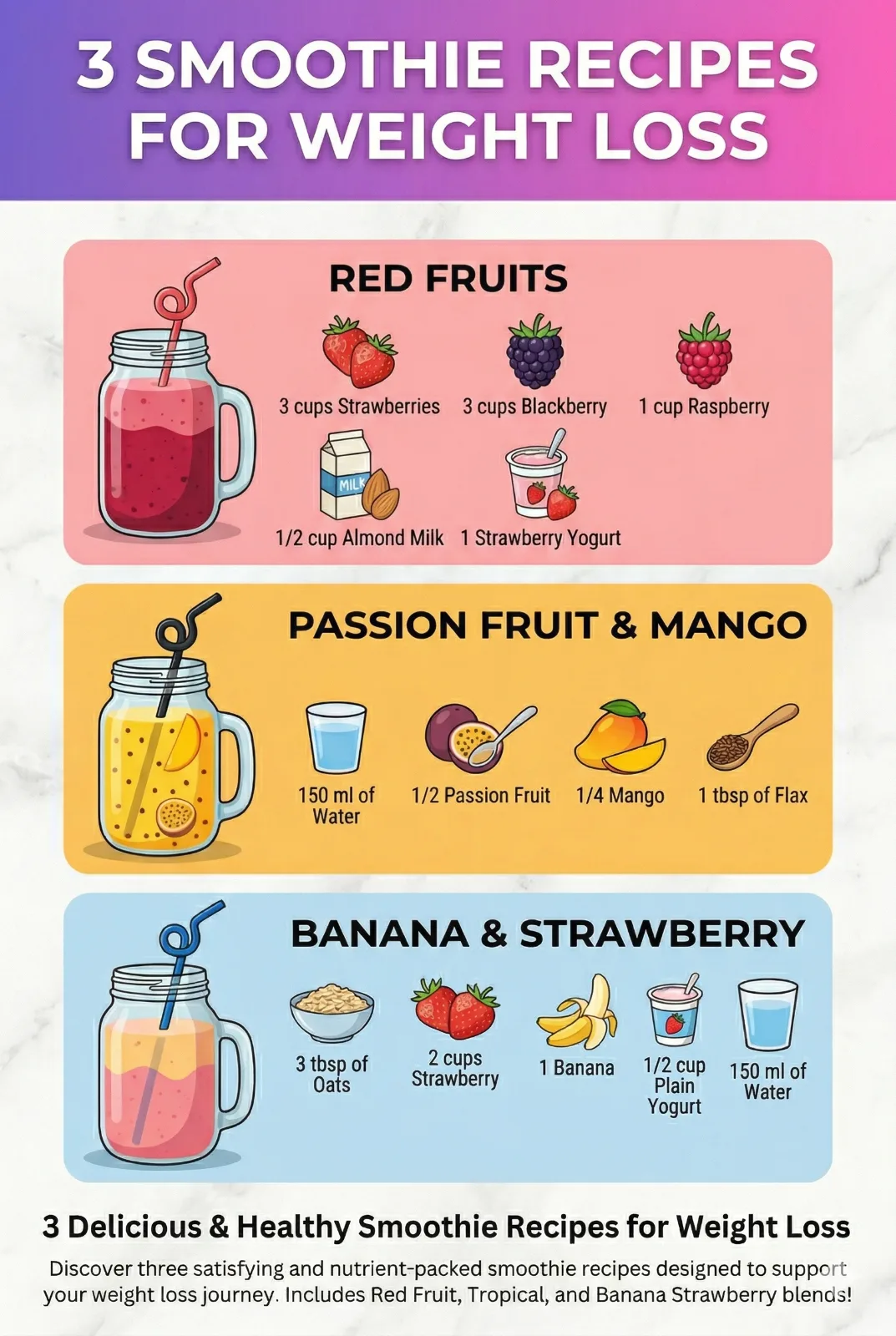
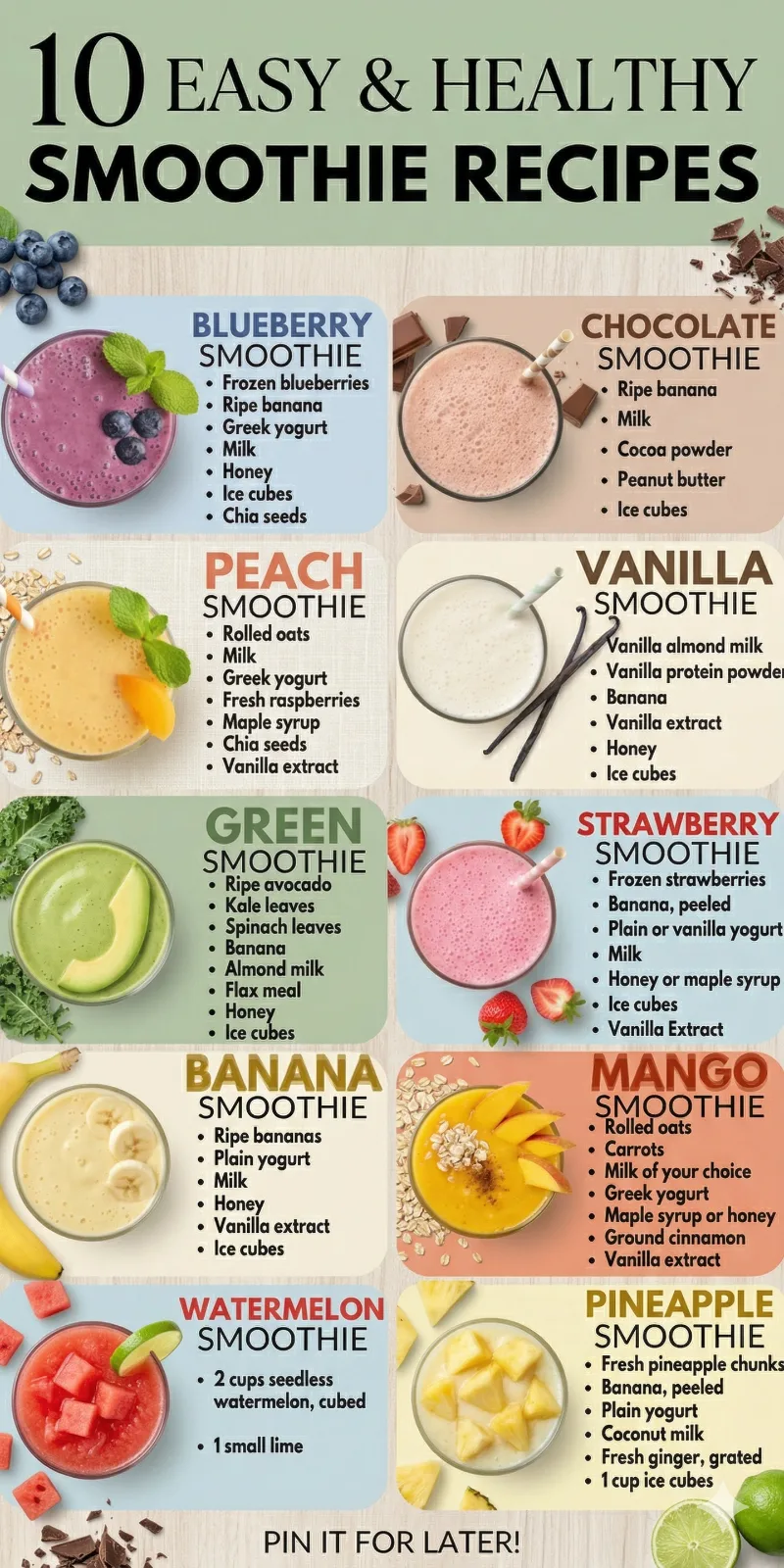
Peanut Butter Banana Bliss
Expert Blending Techniques & Equipment Guide
Getting that velvety, lump-free texture isn't just about tossing everything in and hitting the button—a few small techniques make a world of difference. First, always load your blender in the right order: liquids go in first, followed by soft ingredients like banana and peanut butter, then powders and oats, and finally ice and frozen items on top. This layering lets the blades catch the liquid early, creating a vortex that pulls everything down instead of leaving dry pockets stuck near the top.
If you're working with a standard or older blender, give your oats a quick pulse on their own before adding anything else. Thirty seconds of dry blending turns rolled oats into a coarse flour that disappears into the smoothie rather than settling at the bottom. For high-powered blenders like a Vitamix or Ninja, you can skip this step entirely and let the machine do the work.
Speed matters too. Start on low for about ten seconds to break up the banana and ice, then ramp up to high for 45 to 60 seconds until the mixture looks glossy and uniform. If your blender has a smoothie preset, use it—those programs are designed to alternate speeds and mimic exactly this technique. Resist the urge to blend for several minutes straight, since the friction can warm the smoothie and thin out the texture you're after.
A tamper is your best friend if you own one. Instead of stopping to scrape down the sides repeatedly, use the tamper to push ingredients toward the blades while the motor runs. If you don't have a tamper, pause every 20 seconds and scrape down with a spatula—patience here pays off in silkiness.
For an extra-thick, milkshake-like consistency, use a frozen banana and skip the ice altogether. Frozen banana adds creaminess without watering things down, while ice tends to dilute flavor as it melts. On the flip side, if you prefer a lighter, drinkable smoothie, fresh banana plus a handful of ice is the way to go.
Finally, don't overlook your blender's jar size. Overfilling leaves no room for the ingredients to circulate, which is a common cause of chunky smoothies. Stick to about two-thirds capacity, and blend in batches if you're doubling the recipe. A well-maintained blender with sharp blades will always outperform a fancy model with dull ones, so replace your blade assembly if you notice it struggling.
Ingredients
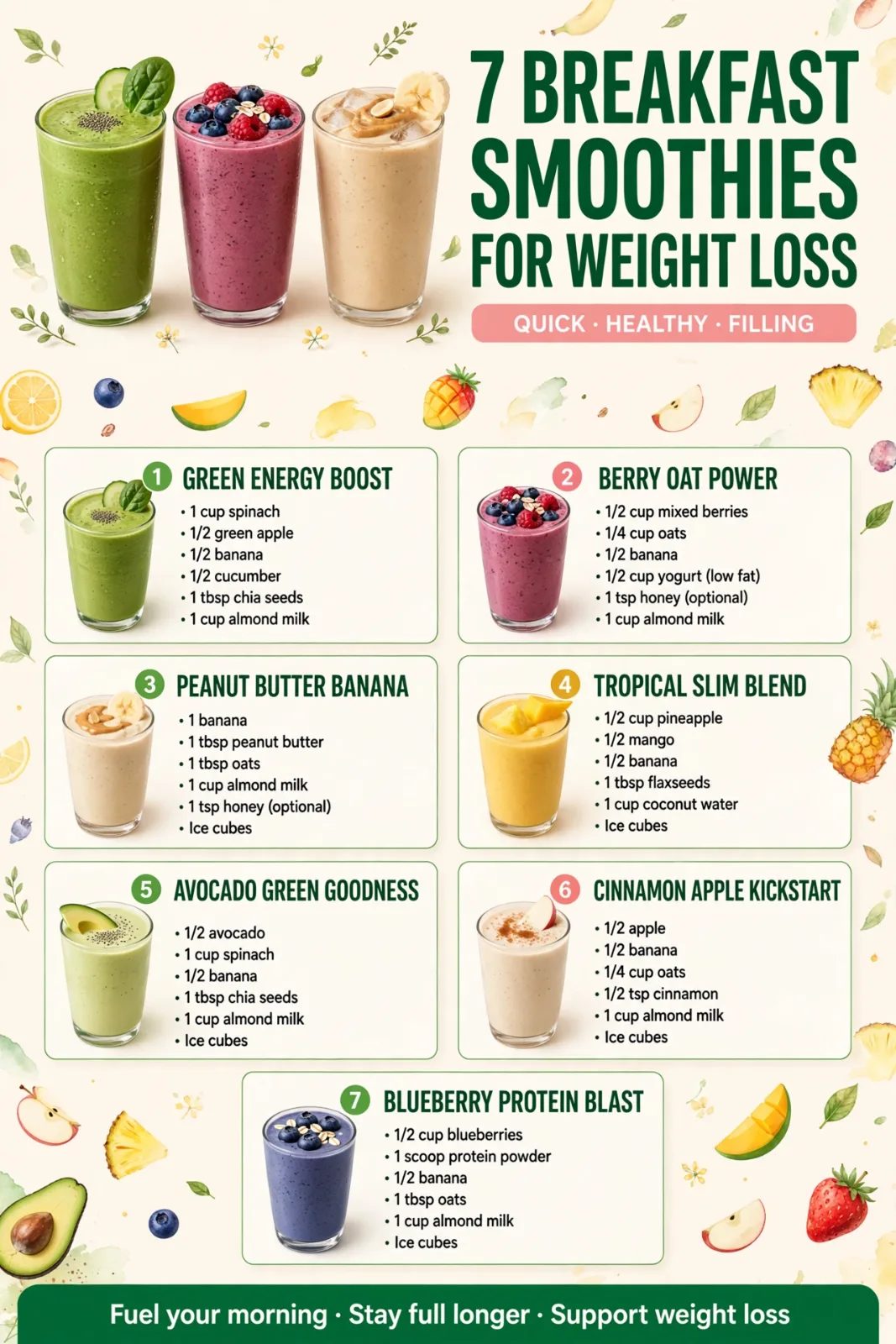
- 1 ripe banana
- 1 tbsp peanut butter
- 1 tbsp oats
- 1 cup almond milk
- 1 tsp honey (optional)
- Ice cubes
Instructions
- Add banana, peanut butter, oats, almond milk, honey (optional), and ice cubes into a blender.
- Blend until smooth and creamy.
- Serve chilled.
Storage, Meal Prep & Serving Suggestions
While this Peanut Butter Banana smoothie tastes best straight from the blender, life doesn't always cooperate with fresh-made breakfasts. The good news is that it stores surprisingly well with a little know-how. Pour any leftovers into a mason jar, fill it to the very top to minimize air exposure, and seal it tightly. Stored this way in the refrigerator, it keeps for about 24 hours. You'll notice some natural separation as the oats and peanut butter settle—just shake vigorously or stir with a spoon before drinking, and it's as good as new.
For longer storage, freezing is your ally. Pour the blended smoothie into ice cube trays or silicone molds and freeze solid. Once frozen, pop the cubes into a freezer bag, where they'll keep for up to three months. When a craving hits, toss a handful of cubes into the blender with a splash of almond milk and re-blend for an instant single-serving smoothie. This method is perfect for busy weekday mornings when even five minutes feels like a luxury.
If you'd rather prep components than the finished product, build smoothie packs. Drop a sliced banana, a tablespoon of oats, and a tablespoon of peanut butter into a freezer-safe bag or container, then freeze. In the morning, empty the pack into your blender, add almond milk and honey, and blend. These packs last up to three months and turn breakfast into a 60-second endeavor.
Serving-wise, this smoothie shines in a chilled glass or a tall mason jar with a reusable straw. For a café-worthy presentation, drizzle a little peanut butter around the inside of the glass before pouring, or top with a few banana slices, a sprinkle of rolled oats, or a dusting of cinnamon. A swirl of coconut cream on top adds a tropical touch that pairs beautifully with the banana.
Pairing ideas? This smoothie is substantial enough to stand alone as breakfast, but it also works as a post-workout recovery drink thanks to the protein and carbs. For a more complete meal, serve it alongside a slice of whole-grain toast or a handful of almonds. As an afternoon snack, a smaller portion in a juice glass hits the spot without spoiling dinner. Kids love it too—serve it in a spill-proof cup with a fun straw, and you've got a nutritious treat they'll actually ask for.
One last tip: drink it cold. Room-temperature smoothies lose some of their refreshing appeal, so chill your glass in the freezer for a few minutes before pouring. It's a tiny step that makes the whole experience feel intentional and indulgent.
Additional Frequently Asked Questions
Can I add protein powder to this smoothie?
Definitely. A scoop of vanilla or chocolate protein powder turns this into a serious post-workout shake. Vanilla complements the peanut butter and banana without overpowering them, while chocolate essentially creates a chocolate-peanut-butter-banana flavor that's hard to beat. If you use protein powder, you may want to add a little extra almond milk since powders tend to thicken the mixture. Start with half a scoop if you're new to protein powders, and adjust based on taste and texture.
Is this smoothie safe for kids?
Yes, and it's a fantastic way to sneak nutrients into picky eaters. The natural sweetness of banana and peanut butter makes it appealing to kids, while the oats and almond milk add fiber and calcium. Just be mindful of portion sizes—a small glass is plenty for young children. Also, if you're introducing peanut butter for the first time, follow your pediatrician's guidance regarding allergen introduction. For very young children, avoid whole nuts as toppings and stick to smooth textures.
What can I use instead of banana?
If you're out of bananas or simply not a fan, you can substitute with half a cup of mango, a few tablespoons of applesauce, or half an avocado for creaminess. Mango brings a tropical twist and natural sweetness, while avocado adds healthy fats and an ultra-silky texture (though the color will shift to a pale green). Applesauce works in a pinch but thins the smoothie, so reduce the almond milk slightly. Each swap changes the flavor profile, so taste and adjust as you go.
How can I make this smoothie nut-free?
For a nut-free version, replace the peanut butter with sunflower seed butter or tahini, and use oat milk, soy milk, or coconut milk instead of almond milk. Sunflower seed butter has a mild, slightly sweet flavor that pairs well with banana, and tahini adds a rich, earthy note. Always double-check labels, since cross-contamination can occur in facilities that process nuts. With these swaps, the smoothie remains creamy, satisfying, and safe for nut-free households.
Why is my smoothie gritty?
Grittiness almost always comes from the oats or an underpowered blender. If your blender struggles with rolled oats, switch to quick oats or pulse the oats into a flour before blending. Soaking the oats in almond milk for 10 minutes also softens them significantly. Another culprit is unripe banana, which can leave a starchy, chalky texture. Use a ripe, spotty banana for the creamiest results. Finally, blend longer than you think you need to—an extra 30 seconds on high can make the difference between gritty and gorgeous.