Tropical Guava Fiber Power Smoothie
Nutritional Deep Dive & Health Benefits
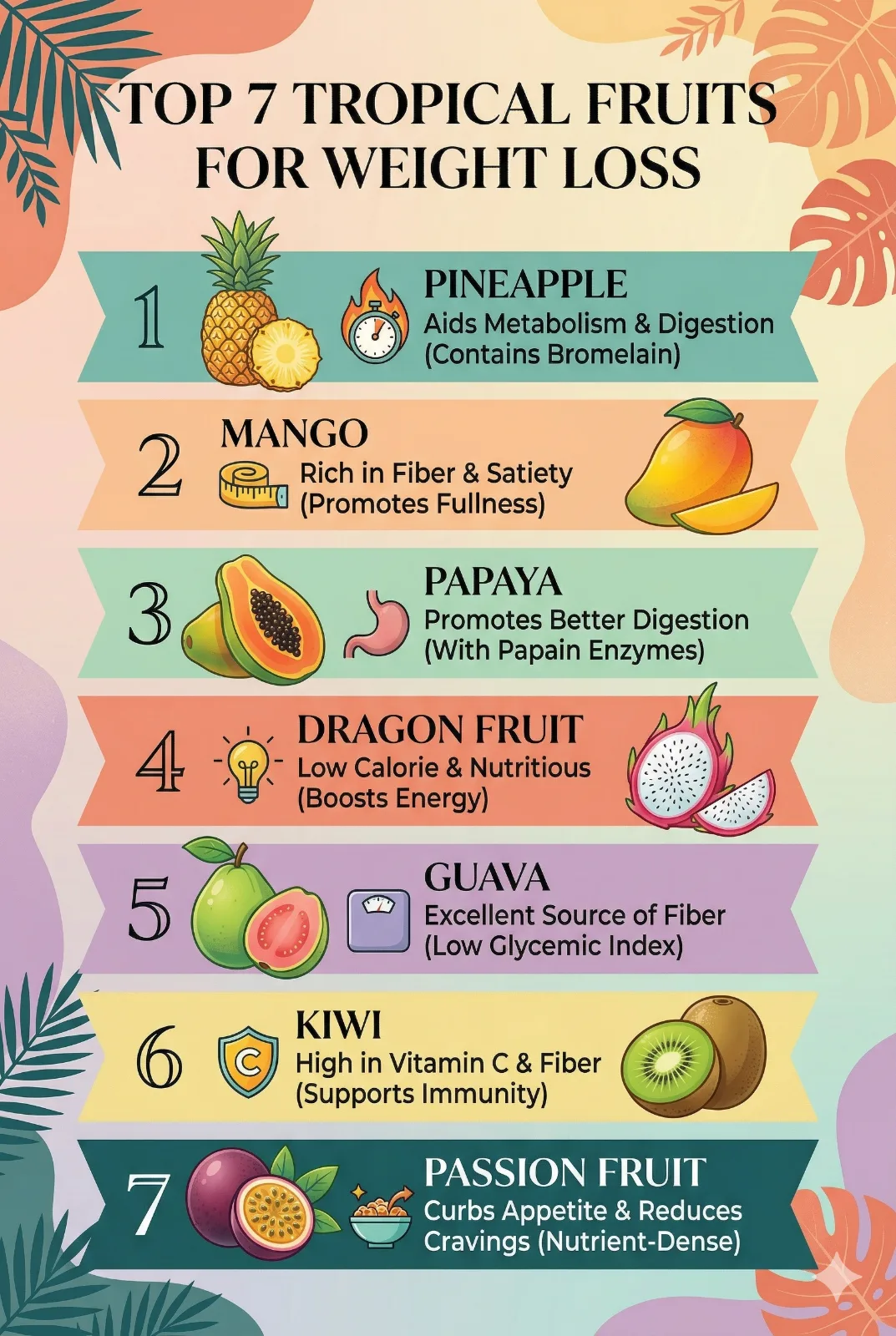
Let's really dig into what makes this guava smoothie such a nutritional standout. Guava, often called the "apple of the tropics," is one of those fruits that doesn't get nearly enough attention in the wellness world. A single cup of raw guava delivers around 112 calories, 5.4 grams of fiber, and a whopping 376 milligrams of vitamin C. That's more than four times the vitamin C in an orange, which is why guava is a go-to for immune support during cold and flu season. But the story doesn't end there. Guava also provides vitamin A, folate, potassium, copper, and manganese, all of which play quiet but essential roles in keeping your body running smoothly.
The fiber content is the real hero here, especially if you're managing blood sugar. Soluble fiber forms a gel-like substance in your digestive tract that slows the absorption of sugar into your bloodstream. That means fewer spikes and crashes, steadier energy, and fewer cravings later in the day. Insoluble fiber, on the other hand, adds bulk to your stool and keeps things moving, which is why guava has traditionally been used as a natural remedy for constipation. Together, these two types of fiber make this smoothie a gentle but effective digestive aid.
Then there's the antioxidant lineup. Guava is rich in lycopene, the same carotenoid that gives tomatoes their red color and has been linked to prostate health and cardiovascular protection. It also contains quercetin, a flavonoid with anti-inflammatory properties, and vitamin C, which helps regenerate other antioxidants in your body. All of this adds up to a smoothie that supports your immune system, your skin, your heart, and your gut—pretty impressive for a single glass.
One more thing worth mentioning: guava is naturally low in fructose compared to many other tropical fruits. A cup contains about 8.9 grams of sugar, which is modest when you consider the fiber and nutrient density that come with it. That balance is what makes this smoothie genuinely blood-sugar-friendly rather than just marketed that way.
Ingredients
- 1 cup guava pieces (peeled and deseeded if desired)
Instructions
- Peel and cut the guava into pieces.
- Blend until smooth.
- Drink to benefit from high fiber and a low glycemic index.
Expert Blending Techniques & Equipment Guide
Getting a perfectly smooth guava smoothie isn't just about tossing fruit in a blender and hoping for the best. There's a bit of technique involved, and the right approach makes a noticeable difference in texture and flavor. First, let's talk about your blender. A high-powered blender like a Vitamix or Blendtec will pulverize guava seeds and skin into oblivion, giving you a silky, uniform drink with zero grit. If you're working with a standard blender, you'll want to peel and deseed the guava first, then blend a little longer than you think is necessary. Pulse a few times to break up the fruit before running it continuously.
Order of ingredients matters more than most people realize. Always add liquids first, then soft ingredients like yogurt or banana, then the guava, and finally ice or frozen elements on top. This keeps the blades from getting stuck and ensures everything circulates evenly. If you're using frozen guava, let it sit at room temperature for five minutes before blending—it'll save your blender's motor and give you a smoother result.
For an extra-creamy texture without dairy, try adding a tablespoon of soaked chia seeds or a quarter of an avocado. Both add healthy fats and make the smoothie feel more indulgent. If you prefer a thinner consistency, just add more liquid a splash at a time. And if you want a truly restaurant-quality finish, strain the smoothie through a fine-mesh sieve after blending. You'll lose some fiber, but the result is a luxuriously smooth drink that's perfect for guests.
Don't overlook the power of a tamper if your blender came with one. Using it to push ingredients down while the blender runs gives you a more consistent blend and prevents air pockets. And always start on low speed, then gradually increase—this avoids splatters and helps the blades catch everything.
Storage, Meal Prep & Serving Suggestions
One of the best ways to make this smoothie a regular part of your routine is to prep ahead. Guava is perishable, so if you buy a big batch, peel and chop it as soon as you get home, then portion it into freezer bags or containers. A cup per bag is perfect for single servings. Frozen guava keeps for up to six months, so you can enjoy this smoothie year-round even when fresh guava is out of season.
If you're blending a larger batch to enjoy over a couple of days, store it in an airtight glass jar in the fridge. Mason jars work beautifully because you can see the pretty pink and green layers. Just remember to fill the jar all the way to the top to minimize air exposure, which causes oxidation and dulls the color. A squeeze of lemon or lime juice also helps preserve that vibrant hue. Give it a good shake before drinking, since natural separation will occur.
For meal prep enthusiasts, consider making smoothie packs. Combine frozen guava, a handful of spinach, and a scoop of protein powder in a freezer bag. In the morning, dump the contents into your blender with your liquid of choice and blend. It's a five-minute breakfast that feels anything but rushed.
Serving-wise, this smoothie shines in a tall glass with a sprig of mint or a thin slice of guava on the rim. For a more filling option, pour it into a bowl and top with granola, coconut flakes, and fresh berries. It also makes a wonderful base for popsicles—just pour into molds and freeze for a refreshing, low-glycemic treat. If you're hosting brunch, serve it in small glasses as a welcome drink; the tropical aroma alone gets people excited.
Additional Frequently Asked Questions
Can I add protein powder to this smoothie?
Absolutely. A scoop of vanilla or unflavored protein powder turns this into a more substantial meal replacement. Plant-based options like pea or hemp protein work especially well because they add fiber and don't spike blood sugar. If you're using whey, choose a low-sugar variety to keep the glycemic load in check. You can also add Greek yogurt or silken tofu for a protein boost without powder.
Is guava safe for people with kidney issues?
Guava is generally safe, but it's moderately high in potassium. If you have chronic kidney disease or have been told to watch your potassium intake, talk to your doctor or dietitian before making this a daily habit. For most people, the potassium in guava is a benefit, helping to counterbalance sodium and support healthy blood pressure.
Will this smoothie help with weight loss?
The fiber and water content make it very filling for relatively few calories, which can help with weight management. However, no single food causes weight loss. Use this smoothie as part of a balanced diet and active lifestyle. If you're counting calories, stick to the basic recipe without added sweeteners or high-calorie mix-ins.
Can I drink this if I have diabetes?
Many people with type 2 diabetes enjoy guava in moderation because of its low glycemic index and high fiber. That said, individual responses vary. Test your blood sugar after drinking it to see how your body reacts, and keep portion sizes in mind. Pairing it with protein or healthy fat, like chia or almond butter, can further blunt any glucose response.
What does guava smoothie taste like?
It's a beautiful balance of tart and sweet, with floral and slightly musky notes that are unmistakably tropical. The texture is creamy when blended well, with a subtle graininess if you leave the seeds in. It's less sugary than a mango or banana smoothie, which makes it feel refreshing rather than heavy. If you love passion fruit or papaya, you'll likely adore guava.
Can I use guava juice instead of fresh guava?
You can, but you'll lose most of the fiber, which is the whole point of this recipe. Bottled guava juice is also often sweetened, which raises the glycemic impact. If you must use juice, look for unsweetened 100% guava juice and consider adding a tablespoon of chia seeds to bring some fiber back into the mix.