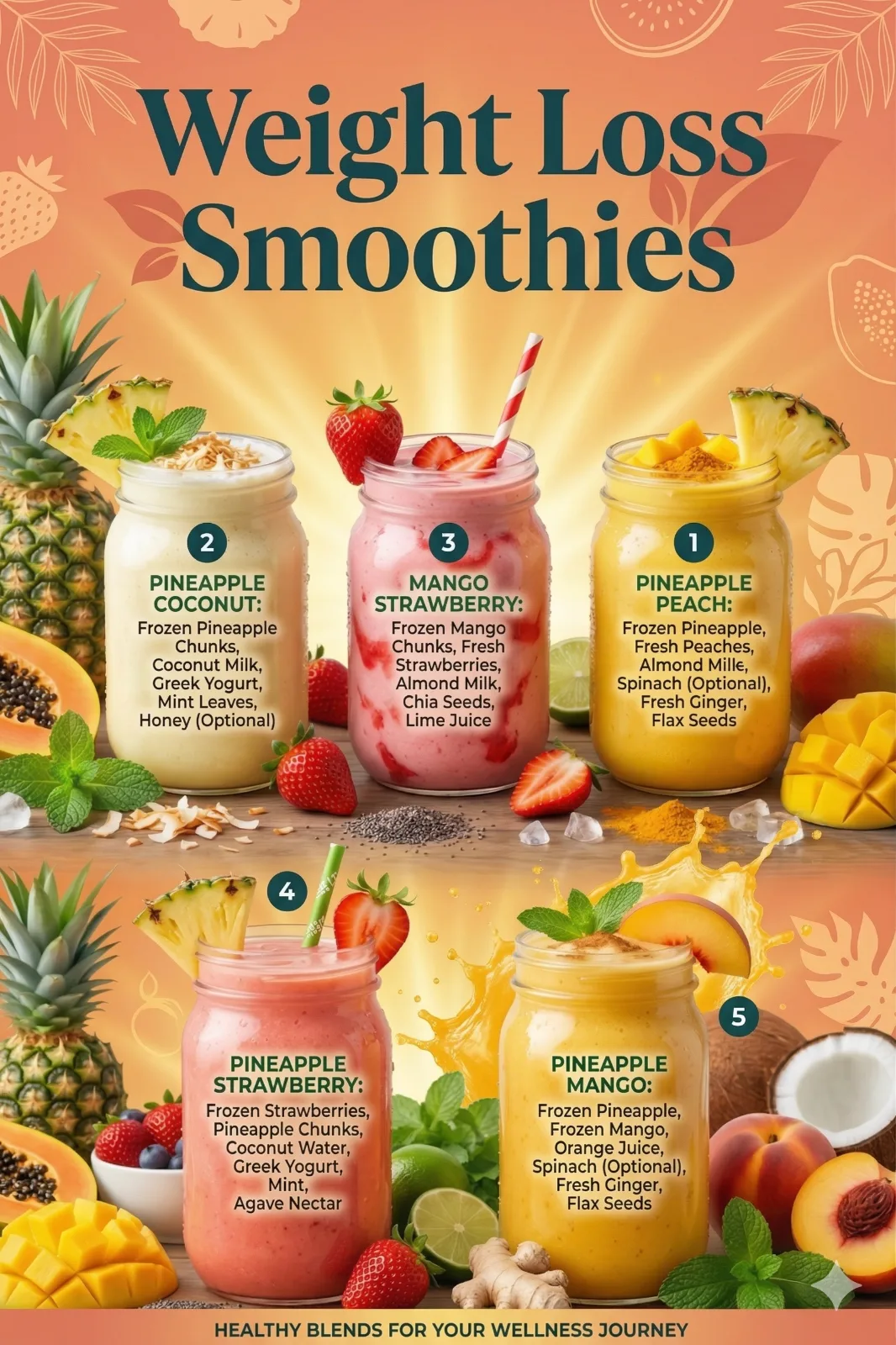
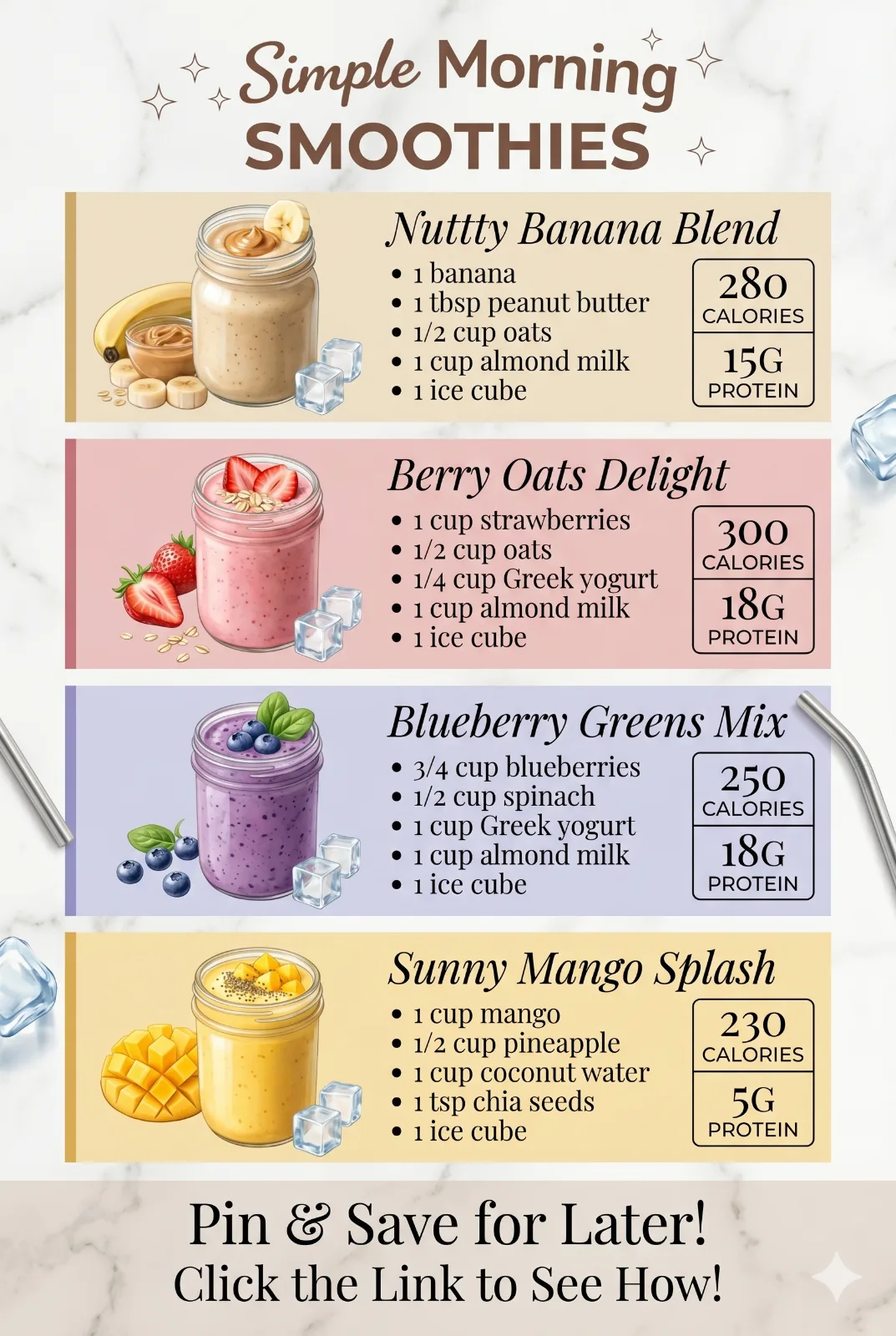
Chocolate Banana Peanut Butter Bliss
Nutritional Deep Dive & Health Benefits
Let's go a little deeper on the nutrition side, because this smoothie is genuinely more than a dessert in a glass. A standard serving using one medium banana, one tablespoon of unsweetened cocoa powder, one tablespoon of natural peanut butter, one cup of unsweetened almond milk, and one tablespoon of honey lands somewhere in the neighborhood of 320 to 360 calories. Within that range you're getting roughly 9 to 11 grams of protein, 12 to 14 grams of healthy fat, and 8 to 10 grams of fiber. That macronutrient split is what makes it so satisfying—protein and fat slow gastric emptying, while fiber feeds the good bacteria in your gut.
Potassium deserves a special mention here. A single medium banana delivers around 420 milligrams, which is about 9 percent of the daily recommended intake. Potassium works opposite sodium to help relax blood vessel walls, and consistent intake is associated with lower blood pressure and reduced risk of stroke. If you tend to get muscle cramps after workouts, this smoothie is a smart way to replenish what you lose through sweat.
Cocoa powder is where the antioxidant story gets interesting. Flavonoids like epicatechin and catechin have been studied for their ability to improve endothelial function, which is the way your blood vessels dilate and contract. Some research suggests regular cocoa consumption can modestly lower LDL cholesterol and improve insulin sensitivity. You're also getting a meaningful hit of magnesium—about 40 to 50 milligrams per tablespoon—which supports over 300 enzymatic reactions in the body, including energy metabolism and muscle contraction.
The peanut butter contributes vitamin E, an antioxidant that protects cell membranes from oxidative damage, plus a small amount of resveratrol, the same compound famously found in red grapes. If you choose a natural peanut butter with just peanuts and salt, you avoid the hydrogenated oils and added sugar that show up in many conventional brands.
Finally, the milk you pick changes the micronutrient profile. Dairy milk adds roughly 300 milligrams of calcium and 120 international units of vitamin D per cup, both critical for bone density. Fortified almond milk usually matches the calcium and vitamin D but with fewer calories and no cholesterol. Either way, you're getting a bone-friendly beverage that tastes like a treat.
Ingredients
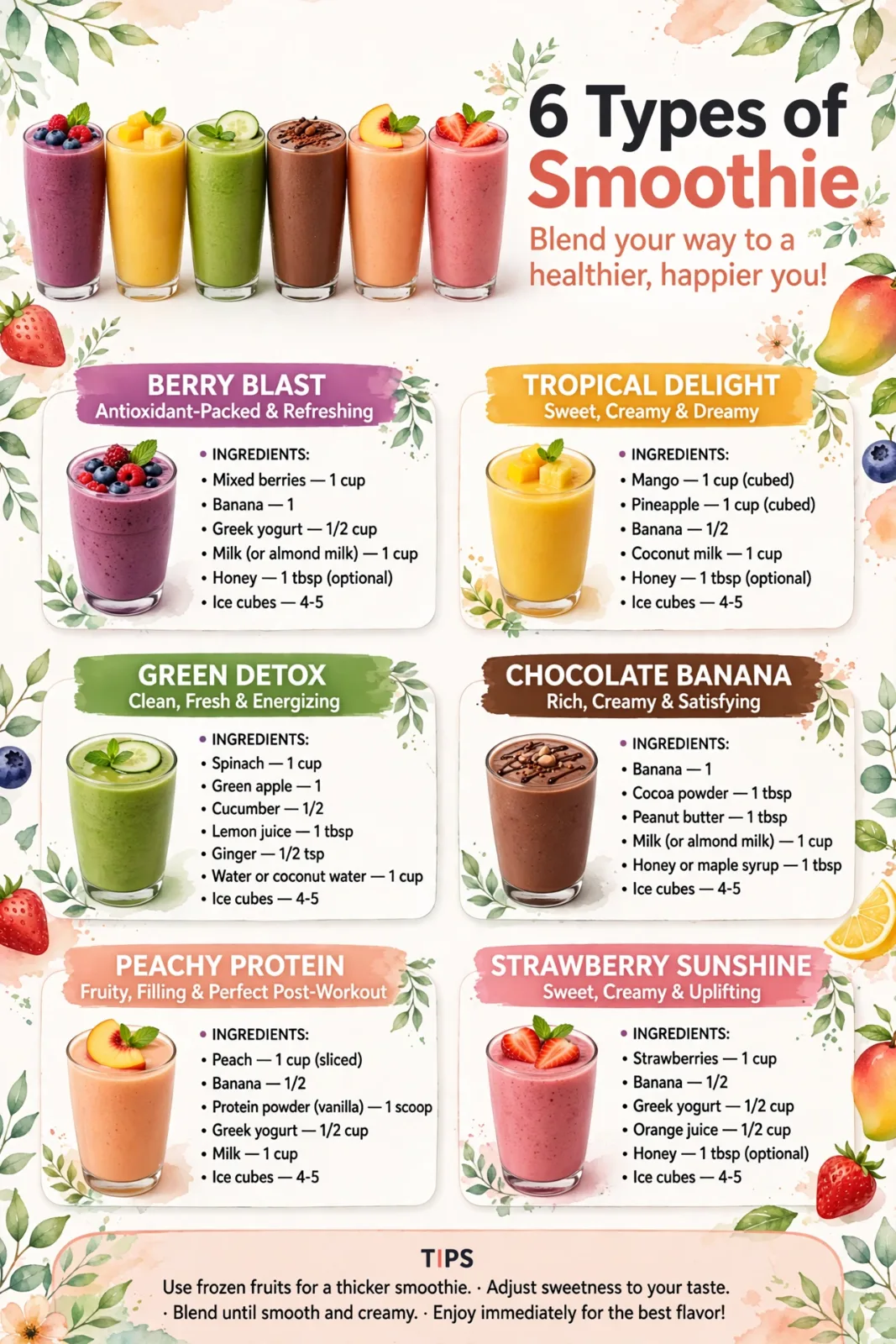
- 1 ripe banana
- 1 tbsp cocoa powder
- 1 tbsp peanut butter
- 1 cup milk or almond milk
- 1 tbsp honey or maple syrup
- 4-5 ice cubes
Instructions
- Add banana, cocoa powder, peanut butter, and milk (or almond milk) to the blender.
- Add honey or maple syrup.
- Add 4-5 ice cubes.
- Blend until smooth and creamy.
- Serve immediately.
Expert Blending Techniques & Equipment Guide
A great smoothie isn't just about ingredients—it's about technique. The order you add things to the blender actually matters. Always put liquids in first, then soft ingredients like banana and peanut butter, then powders like cocoa, and finally ice on top. This prevents the blades from getting stuck and helps everything circulate evenly. If you dump the cocoa powder in first, it tends to cake against the bottom of the jar and you'll end up with dry pockets.
Blender power makes a real difference. A high-powered blender like a Vitamix or Blendtec will pulverize frozen banana and ice into a silky, lump-free texture in about 30 to 45 seconds. A standard countertop blender can absolutely work, but you'll want to run it for a full 60 to 90 seconds and possibly stop to scrape down the sides once. If your blender struggles, add the milk in two stages—start with half, blend, then add the rest.
If you're working with a bullet-style blender or a personal blender, cut the banana into coins before freezing. Smaller pieces mean less strain on the motor and a smoother result. You may also want to let the frozen banana sit on the counter for five minutes before blending, just to soften the edges.
Texture is personal. Some people want a thick, spoonable smoothie that resembles soft-serve ice cream. Others prefer something drinkable through a straw. For the thick version, use frozen banana and only three ice cubes. For the drinkable version, use a fresh banana and all five ice cubes plus an extra splash of milk.
One pro tip: if you want that glossy, professional-looking dark brown color, blend the cocoa powder with the milk for 10 seconds before adding anything else. This hydrates the powder fully and prevents speckles. It's a small step that makes a big visual difference, especially if you're photographing your smoothie for social media.
Don't forget about noise and heat. Running a blender for too long warms the mixture and melts the ice, giving you a thin, lukewarm drink. Blend in short bursts if your machine tends to heat up. And if you're making multiple servings, blend them one at a time rather than doubling the batch—overfilling the jar leads to uneven blending and potential overflow.
Storage, Meal Prep & Serving Suggestions
Smoothies are at their absolute best within five minutes of blending. The texture is frosty, the flavors are bright, and the color is deepest. That said, life happens, and sometimes you need to plan ahead. The good news is that this particular recipe holds up better than most because the cocoa and peanut butter help stabilize the mixture.
If you want to store it, pour the smoothie into a mason jar and fill it all the way to the top, leaving as little air space as possible. Oxygen is the enemy here—it causes oxidation, which dulls the flavor and turns the color slightly gray. Screw the lid on tight and refrigerate for up to 24 hours. Before drinking, shake vigorously for 15 seconds. The texture won't be quite as thick, but it'll still taste great.
For longer storage, you can freeze the smoothie in ice cube trays. Once frozen, pop the cubes into a freezer bag and keep them for up to three months. When you're ready, blend the cubes with a splash of milk. This is a brilliant hack for busy mornings when you don't even have time to peel a banana.
Meal prep is where this recipe really shines. Set aside 20 minutes on Sunday to build smoothie packs. In each freezer-safe bag, combine one chopped banana, one tablespoon of cocoa powder, and one tablespoon of peanut butter. Seal and freeze. On a weekday morning, dump one pack into the blender with milk, sweetener, and ice. You've just turned a 10-minute task into a 90-second one.
Serving suggestions take this from good to memorable. Pour it into a chilled glass and top with a swirl of coconut whipped cream, a sprinkle of cacao nibs, or a few slices of fresh banana. A dusting of cinnamon adds warmth and looks beautiful against the dark brown surface. If you're feeling fancy, drizzle a little melted dark chocolate around the inside of the glass before pouring—it creates a gorgeous marbled effect.
This smoothie pairs well with light breakfast foods like toast, oatmeal, or a handful of nuts. It's also a fantastic post-workout drink because of the carbohydrate-to-protein ratio, which helps replenish glycogen stores. For kids, serve it in a smaller glass with a fun straw and call it a chocolate milkshake—they'll never guess it's packed with nutrients.
Additional Frequently Asked Questions
Can I use cacao powder instead of cocoa powder?
Yes, and it's a fantastic swap. Cacao powder is made from raw, unroasted cacao beans, while cocoa powder is roasted at high temperatures. Cacao powder retains more of the natural enzymes and antioxidants, though it has a slightly more bitter, earthy flavor. You may want to add an extra half tablespoon of sweetener if you go this route. Both work beautifully in this smoothie.
My smoothie turned out bitter. What went wrong?
Bitterness usually comes from one of three things: too much cocoa powder, an underripe banana, or a peanut butter with added salt. Start with just one tablespoon of cocoa and taste before adding more. Make sure your banana is heavily spotted—that's when the starches have converted to sugar. If your peanut butter is salty, reduce the added salt or use a no-salt-added brand.
Can I make this smoothie without a banana?
You can, but the texture and flavor will change significantly. Banana provides natural sweetness and creaminess that's hard to replicate. If you need a substitute, try half an avocado plus an extra tablespoon of sweetener, or a half cup of frozen mango. Avocado gives you that same velvety mouthfeel with healthy fats, while mango adds tropical sweetness.
Is this smoothie safe for kids?
Absolutely, with a couple of caveats. Use a nut butter that's smooth and thin, not chunky, to avoid choking hazards for young children. Also, check for honey—honey should not be given to infants under one year old due to the risk of botulism. For babies and toddlers, swap the honey for mashed banana or a small amount of maple syrup.
How can I reduce the sugar content?
The biggest sugar sources here are the banana and the honey. To lower sugar, use half a banana instead of a whole one, skip the honey entirely, and use unsweetened almond milk. You can also add a scoop of unflavored collagen or protein powder to boost satiety without adding sugar. The cocoa powder and peanut butter are naturally low in sugar, so they're not the problem.