Protein Power Pineapple Punch
Expert Blending Techniques & Equipment Guide
Getting that perfect velvety texture isn't just about tossing everything in and hoping for the best. Over the years, I've learned a few tricks that make a huge difference. First, order matters. Always add your liquid—the almond milk—to the blender first, followed by the soft ingredients like banana and protein powder, and then the frozen or harder items like pineapple and chia seeds on top. This prevents air pockets from forming around the blades and ensures everything gets pulled down evenly. If you're using a standard blender rather than a high-powered one, this layering technique is non-negotiable.
Second, give your frozen fruit a few minutes to thaw slightly before blending. Rock-hard pineapple chunks can dull your blades over time and leave you with icy grit instead of a smooth, creamy sip. I usually pull my fruit out of the freezer while I'm gathering the rest of the ingredients—just five minutes on the counter is enough. If you're in a hurry, a quick 10-second pulse on low speed before going full throttle helps break things down without overheating the motor.
As for equipment, a high-speed blender like a Vitamix or Ninja is a game-changer for this recipe. It pulverizes chia seeds and frozen pineapple into a silky, lump-free consistency in under a minute. That said, you don't need a fancy machine to enjoy this smoothie. A regular countertop blender works fine if you blend in stages: start on low, then gradually increase to high, and pause to scrape down the sides as needed. Personal blenders are also great for single servings, though you may need to shake the cup a few times to get everything incorporated.
One last tip: don't over-blend. Once the smoothie is uniform and creamy, stop. Blending for too long introduces air, which makes the drink foamy and less satisfying. Aim for 45 to 60 seconds on high—just enough to get that gorgeous pale yellow, cream-colored swirl you see in the photos. If you want an even thicker texture, reduce the almond milk to 3/4 cup and add a couple of ice cubes. The result is a spoonable treat that's almost like a soft-serve dessert.
Ingredients
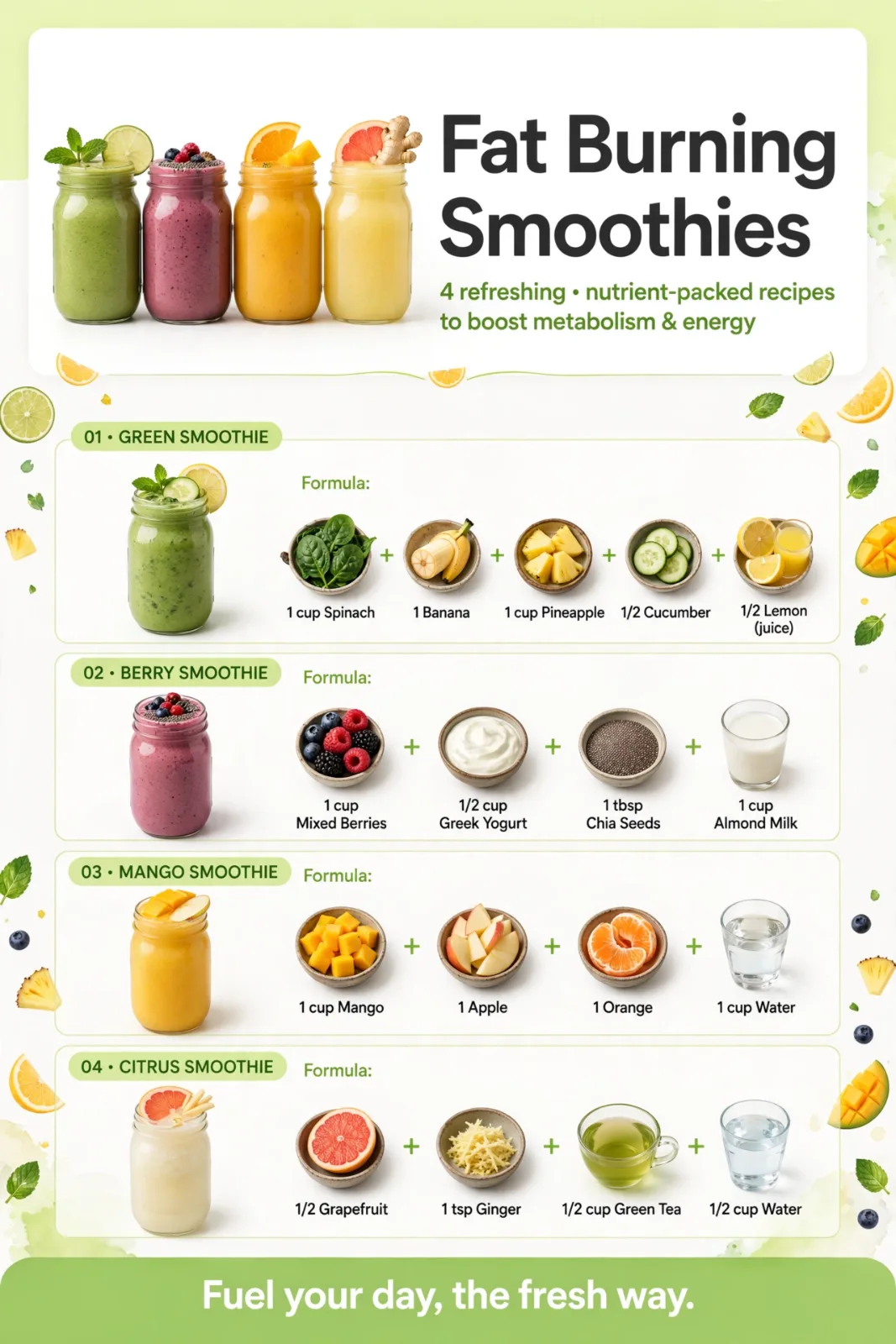
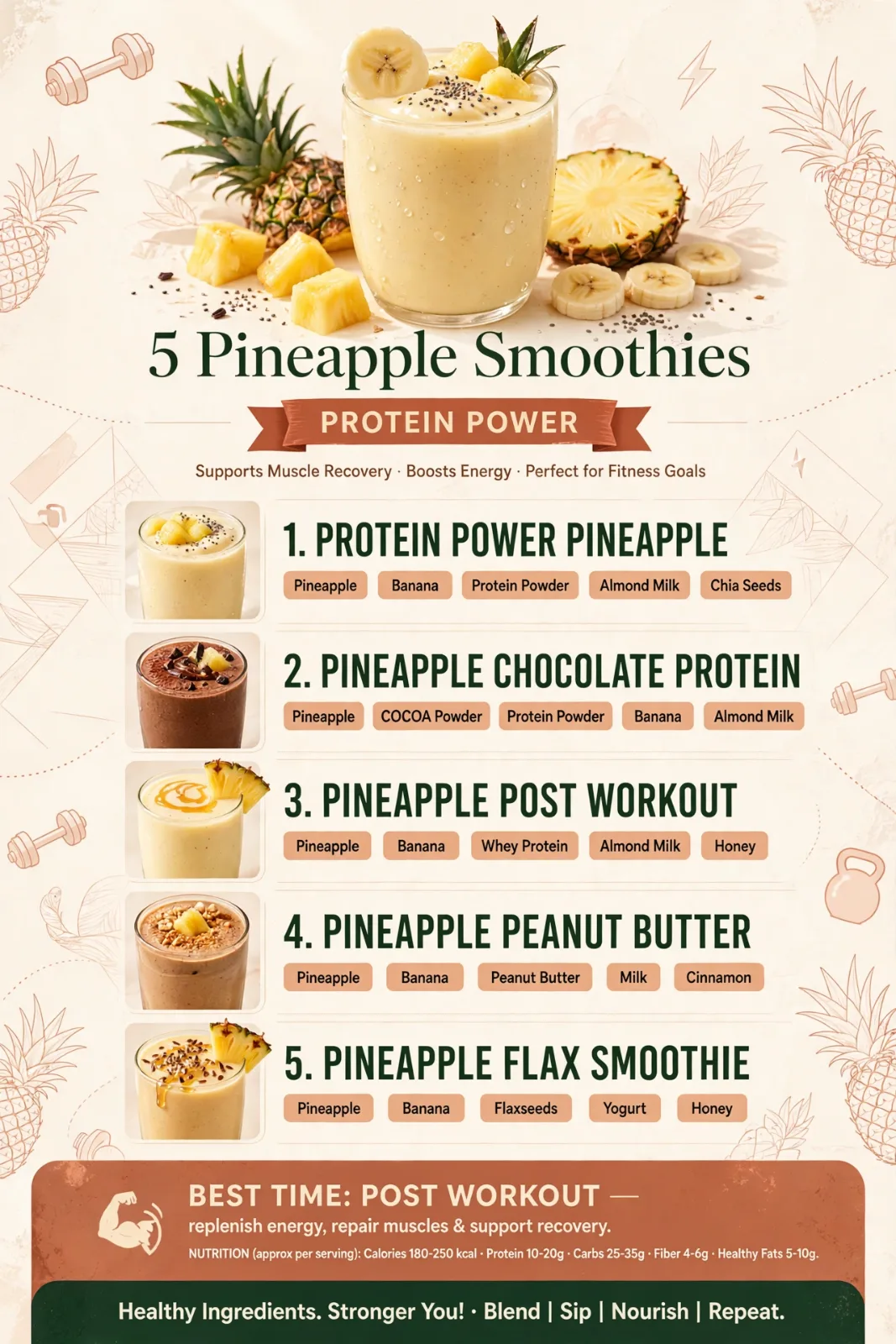
- 1 cup fresh or frozen pineapple chunks
- 1 ripe banana
- 1 scoop protein powder (vanilla or unflavored)
- 1 cup almond milk
- 1 teaspoon chia seeds
Instructions
- Add pineapple, banana, protein powder, and almond milk to a blender.
- Blend until smooth and creamy.
- Pour into a glass and sprinkle chia seeds on top.
- Serve immediately.
Storage, Meal Prep & Serving Suggestions
Life gets busy, and having a grab-and-go option ready in the fridge can be a lifesaver. While this Protein Power Pineapple smoothie is at its absolute best fresh from the blender, you can absolutely make it ahead. Pour it into a mason jar or an airtight bottle, filling it all the way to the top to minimize air exposure. This slows down oxidation and keeps the color bright rather than turning brown. Store it in the coldest part of your fridge for up to 24 hours. Before drinking, give it a vigorous shake—separation is completely natural, and a quick mix brings it right back to life.
For longer storage, freezing is your friend. Pour the blended smoothie into an ice cube tray and freeze overnight. The next time you want a quick fix, pop a handful of smoothie cubes into the blender with a splash of almond milk and blend until smooth. This method keeps for up to three months, so you can batch-prep several servings at once. Alternatively, portion out the fruit and protein powder into freezer bags ahead of time—just label them with the date and the amount of liquid needed. When morning hits, dump a bag into the blender, add almond milk, and you're done in under two minutes.
Serving-wise, this smoothie shines in a tall glass with a paper straw and an extra sprinkle of chia seeds on top for that Instagram-worthy finish. But don't stop there. Pour it over a bowl of overnight oats for a protein-packed breakfast parfait. Use it as a base for a smoothie bowl by reducing the almond milk to 1/2 cup and topping with sliced banana, coconut flakes, and a drizzle of honey. You can even freeze it into popsicles for a healthy summer treat that kids and adults alike will devour.
Pair it with a handful of nuts or a hard-boiled egg if you need a more substantial meal. The combination of protein, healthy fats, and complex carbs makes it ideal for post-workout recovery, but it's also wonderful as an afternoon pick-me-up when you're flagging. I love sipping mine while answering emails—it keeps my energy steady without the jittery crash that comes from coffee alone. And if you're serving it to guests, consider adding a wedge of fresh pineapple on the rim of the glass. It's a small touch that makes it feel like a tropical vacation in a cup.
Additional Frequently Asked Questions
How can I make this smoothie thicker without adding ice?
If you want a thicker consistency without diluting the flavor, try using frozen banana and frozen pineapple instead of fresh. You can also add a tablespoon of chia seeds or ground flaxseed and let it sit for five minutes—they'll absorb liquid and thicken the mixture naturally. Another trick is to add half an avocado, which adds creaminess and healthy fats without altering the taste much. Just blend it in with the rest of the ingredients.
Is it okay to drink this smoothie every day?
Generally, yes, as long as it fits within your overall calorie and nutrient needs. It's packed with vitamins, minerals, protein, and fiber, making it a nutritious choice. However, variety is key—rotating your fruits and protein sources ensures you get a broad spectrum of nutrients. If you're watching your sugar intake, be mindful that pineapple and banana are naturally high in sugar. You can balance it by using more greens or reducing the banana to half.
What protein powder works best for this recipe?
Vanilla protein powder is my top pick because it enhances the tropical sweetness without overpowering it. Unflavored or plain whey also works well if you prefer a more fruit-forward taste. For plant-based options, pea protein or hemp protein are excellent choices, though they can be slightly earthy—adding a few extra drops of vanilla extract or a pinch of cinnamon can mask that. Avoid chocolate protein unless you want a completely different flavor profile; it clashes with the pineapple.
Can I use canned pineapple instead of fresh or frozen?
Yes, you can, but be sure to drain the juice and pat the chunks dry before adding them. Canned pineapple in its own juice is fine, but syrup-packed versions add unnecessary sugar and calories. Keep in mind that canned pineapple won't give you the same frosty texture as frozen, so you may want to add a few ice cubes. Fresh pineapple is always best, but frozen is a close second and much more convenient.
How long does this smoothie last in the fridge?
For the best taste and texture, drink it within 24 hours. After that, the flavors start to dull, and the texture becomes less appealing due to separation and oxidation. If you must store it longer, freezing is the way to go. Just remember to shake or stir well before enjoying, and add a splash of fresh almond milk if it's too thick after refrigeration.