Golden Glow Anti-Inflammatory Smoothie
Expert Blending Techniques & Equipment Guide
Getting that silky-smooth texture isn't just about tossing everything in and hoping for the best. Over the years, I've learned a few tricks that make a huge difference. First, order matters. I always start with the liquid at the bottom of the blender—coconut water or almond milk—because it creates a vortex that pulls the solids down into the blades. Then I add the soft ingredients like banana and yogurt, followed by the frozen fruit on top. The turmeric, cinnamon, and black pepper go in last so they don't stick to the sides. If you're using fresh ginger, make sure to peel it and cut it into thin coins; fibrous chunks can leave stringy bits in your smoothie.
As for equipment, a high-speed blender like a Vitamix or Blendtec is a game-changer, but you don't need to spend a fortune. A standard blender works fine if you follow a few rules: chop your fruit into smaller pieces, add liquid gradually, and pulse a few times before blending continuously. If your blender struggles, stop and scrape down the sides with a spatula—don't just keep blending and overheating the motor. For an ultra-creamy result, you can also blend the smoothie in two stages: first the liquid and soft ingredients, then add the frozen fruit and blend again. And if you're someone who makes smoothies daily, I highly recommend investing in a personal-sized blender like a NutriBullet. It's perfect for single servings and easy to clean.
One more tip: don't over-blend. Once everything is smooth, stop. Over-blending can warm up the smoothie and melt the frozen fruit, giving you a lukewarm drink instead of a frosty treat. I usually blend for 30 to 60 seconds, depending on the power of my machine. If you have a tamper, use it to push ingredients down without stopping the blender. And always taste before you pour—adjust the sweetness or spice level right in the blender jar.
Ingredients
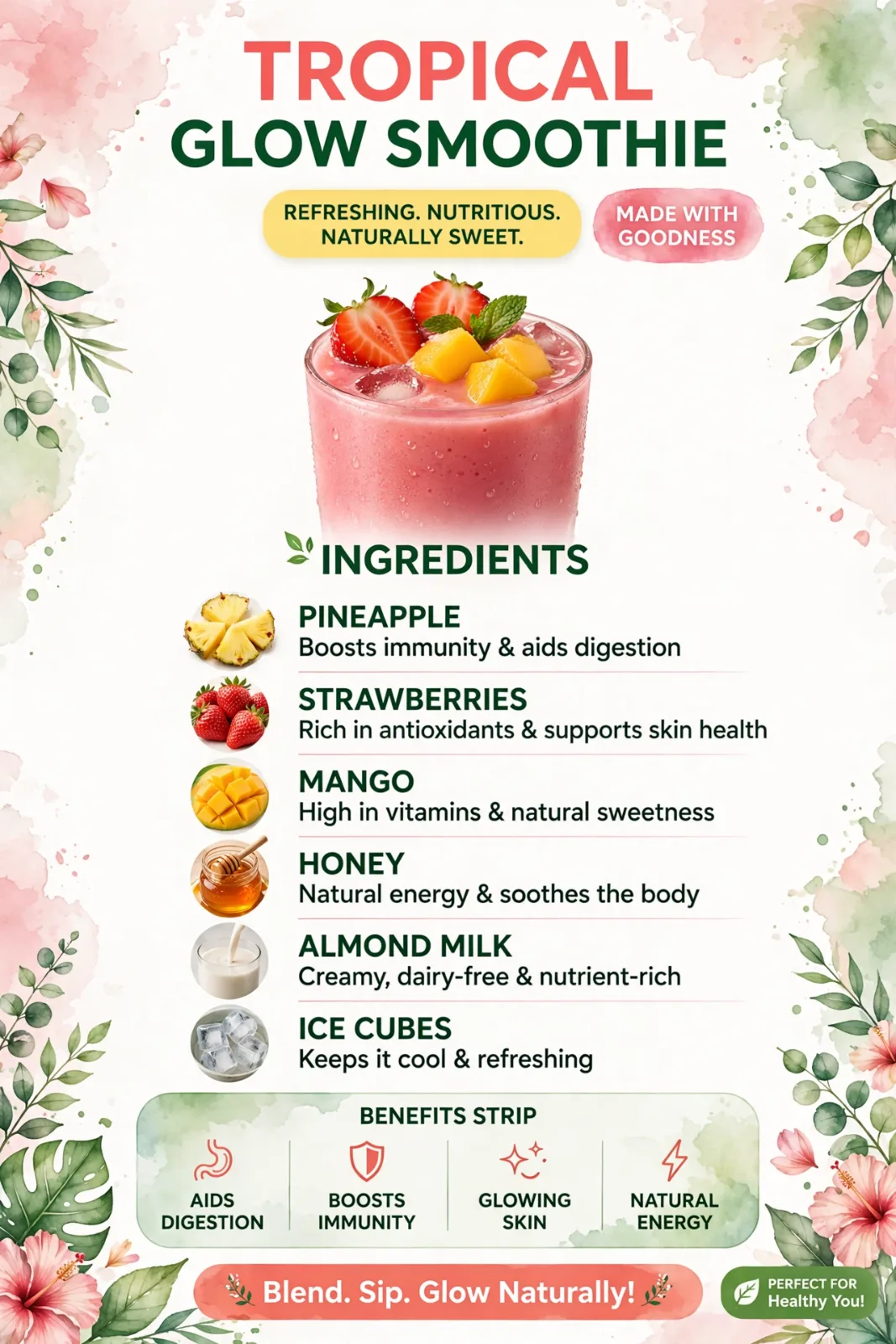
- 1 cup frozen pineapple chunks
- 1 cup frozen mango chunks
- 1 ripe banana (fresh or frozen)
- 1-inch piece fresh ginger, peeled
- 1/2 teaspoon ground turmeric
- 1/4 teaspoon ground cinnamon
- 1/8 teaspoon black pepper
- 1 cup unsweetened coconut water or almond milk
- 1/2 cup plain Greek yogurt (optional, for creaminess)
- 1 tablespoon honey or maple syrup (optional, for sweetness)
- Ice cubes (optional, if using fresh fruit)
Instructions
- Add all ingredients to a high-speed blender.
- Blend on high for 30-60 seconds until completely smooth.
- If the smoothie is too thick, add more liquid (coconut water or almond milk) a little at a time until desired consistency.
- Taste and adjust sweetness with honey or maple syrup if needed.
- Pour into glasses and serve immediately. Garnish with a sprinkle of cinnamon or a slice of fresh pineapple if desired.
Storage, Meal Prep & Serving Suggestions
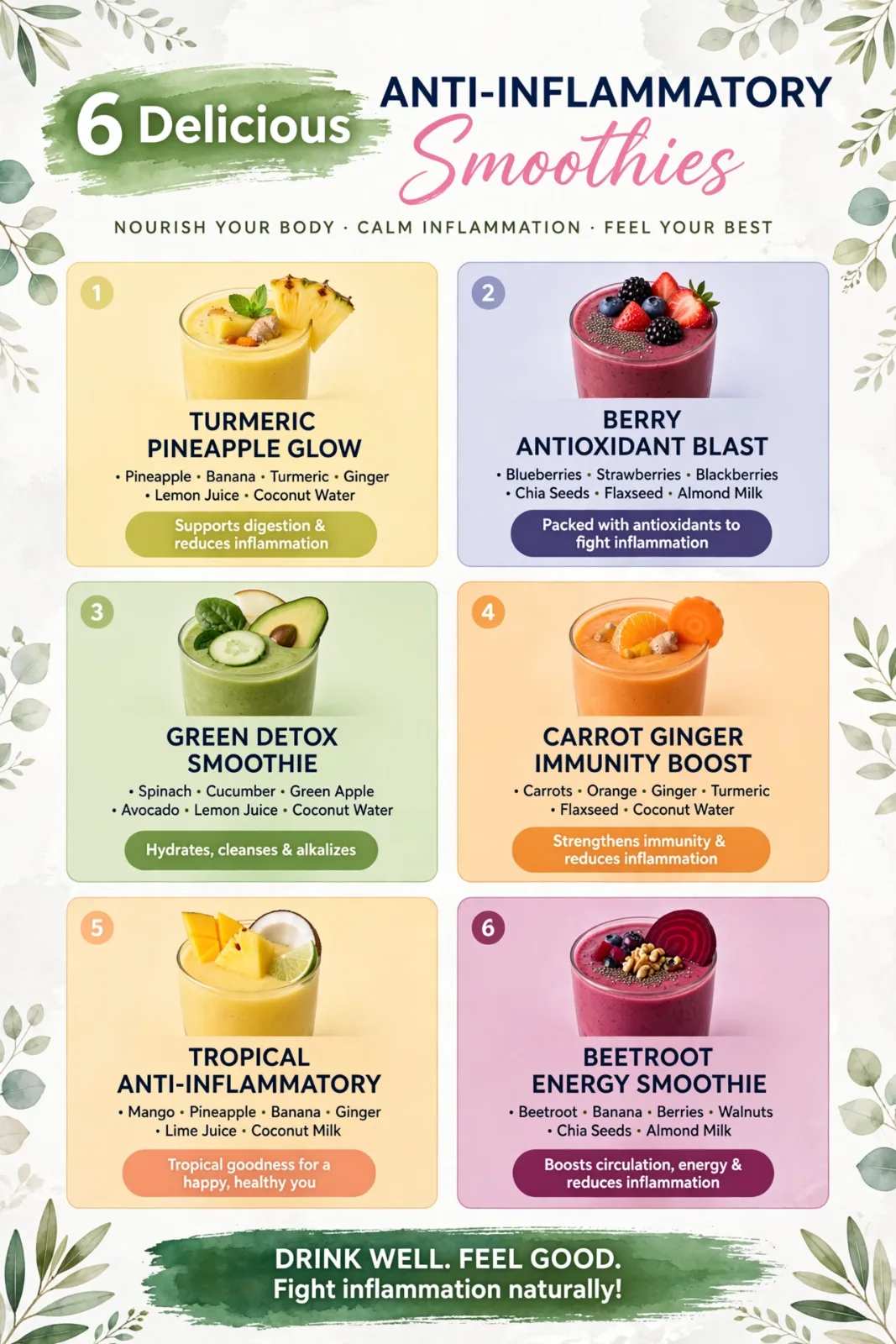
Life gets busy, and having a stash of smoothie packs in the freezer is a total lifesaver. Here's how I meal prep this anti-inflammatory smoothie recipe: I grab a few zip-top freezer bags and divide the pineapple, mango, banana, ginger, turmeric, cinnamon, and black pepper among them. I label each bag with the date and the amount of liquid needed. When I'm ready to make a smoothie, I dump one bag into the blender, add the coconut water and yogurt, and blend. It takes less than two minutes from freezer to glass. These packs last up to three months, so you can make a big batch on Sunday and coast through the week.
If you've already blended your smoothie and have leftovers, store it in a mason jar with a tight-fitting lid. Fill the jar all the way to the top to minimize air exposure—this helps prevent oxidation and keeps the color vibrant. It'll stay fresh in the fridge for about 24 hours. Before drinking, give it a good shake or stir because natural separation happens. You can also freeze leftover smoothie in ice cube trays and pop them into future smoothies for a flavor boost, or thaw them overnight for a quick breakfast.
When it comes to serving, this smoothie is versatile. I love pouring it into a chilled glass and topping it with a sprinkle of cinnamon, a few coconut flakes, or even a thin slice of fresh pineapple. For a breakfast bowl, pour it into a bowl and add granola, chia seeds, and sliced banana. It's also a fantastic post-workout recovery drink—the natural sugars replenish glycogen, and the ginger helps with muscle soreness. If you're serving it to kids, you might want to reduce the ginger and turmeric slightly and add a bit more honey. And for a grown-up twist, a splash of coconut rum? Just kidding—maybe save that for vacation.
Additional Frequently Asked Questions
Can I drink this smoothie every day?
Yes, you can enjoy this smoothie daily as part of a balanced diet. It's packed with vitamins, minerals, and anti-inflammatory compounds that support overall health. However, because it contains natural sugars from fruit, moderation is key. I typically have it 4-5 times a week, alternating with other breakfast options. If you're watching your sugar intake, use fewer bananas and more berries, and skip the honey. Also, if you're on blood-thinning medication, talk to your doctor before consuming large amounts of turmeric or ginger, as they can have mild blood-thinning effects.
Is this smoothie safe for kids?
Absolutely, but you might want to tweak the spices. The turmeric and ginger can be a bit strong for young palates. I suggest starting with half the amount and increasing gradually. Also, omit the honey if your child is under one year old due to the risk of botulism. The smoothie is a great way to sneak in veggies too—a handful of spinach is virtually undetectable. My kids love it with a bit of cocoa powder added for a chocolate twist.
What are the best substitutions for coconut water?
Coconut water is my go-to for hydration and its subtle sweetness, but you can use any liquid you like. Unsweetened almond milk, oat milk, or soy milk all work well and add their own nutritional benefits. If you want a creamier smoothie, try full-fat coconut milk or a splash of heavy cream. For a thinner consistency, plain water works fine, though you might want to add a bit more sweetener. Just avoid sugary fruit juices, which can spike your blood sugar and add unnecessary calories.
Can I use dried spices instead of fresh ginger and turmeric?
Yes, you can, but the flavor and potency will differ. Fresh ginger has a bright, zingy kick, while ground ginger is more earthy. Fresh turmeric root is hard to find in some stores, so ground turmeric is a convenient alternative. If using ground, start with 1/4 teaspoon of ginger powder and 1/4 teaspoon of turmeric powder, then adjust to taste. Remember that ground spices are more concentrated, so a little goes a long way. Also, always add black pepper to enhance turmeric absorption, whether fresh or ground.
How can I make this smoothie more filling?
If you need a smoothie that keeps you full until lunch, there are several easy additions. A scoop of protein powder (vanilla or unflavored) adds 20-25 grams of protein. A tablespoon of almond butter or peanut butter adds healthy fats and creaminess. Chia seeds or flaxseeds are great too—they absorb liquid and expand, keeping you satisfied. And don't forget the Greek yogurt; it's already a good source of protein. You can also add a handful of oats for extra fiber and staying power. Just blend a little longer to break down the oats.
Can I make this smoothie without a blender?
While a blender is ideal for a smooth texture, you can make a version without one. Mash the banana and mango with a fork until smooth, then whisk in the liquid, spices, and yogurt. Grate the ginger finely and add it. For the pineapple, you can use crushed pineapple from a can (in its own juice) or finely chop fresh pineapple. The result will be more of a drinkable fruit mash than a silky smoothie, but it still tastes great. Alternatively, use an immersion blender or a food processor if you have one.
Is this smoothie gluten-free and dairy-free?
As written, this smoothie is gluten-free (as long as your spices and other ingredients are certified gluten-free). It's also dairy-free if you omit the Greek yogurt or use a plant-based yogurt. If you're vegan, simply skip the honey and use maple syrup or agave instead. Always check labels on packaged ingredients like coconut water and spices to ensure they meet your dietary needs. This recipe is naturally free of refined sugars and artificial additives, making it a wholesome choice for most diets.