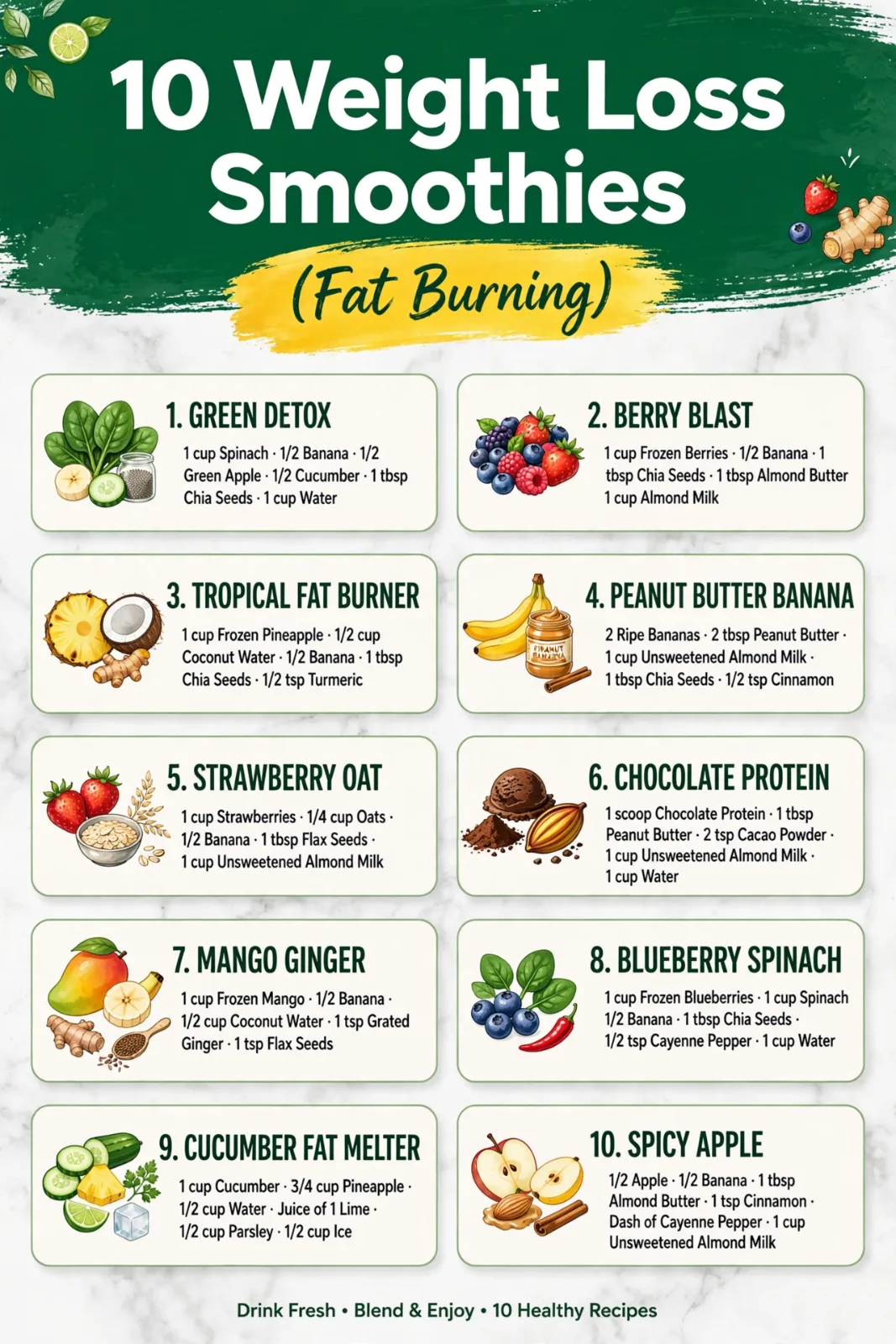
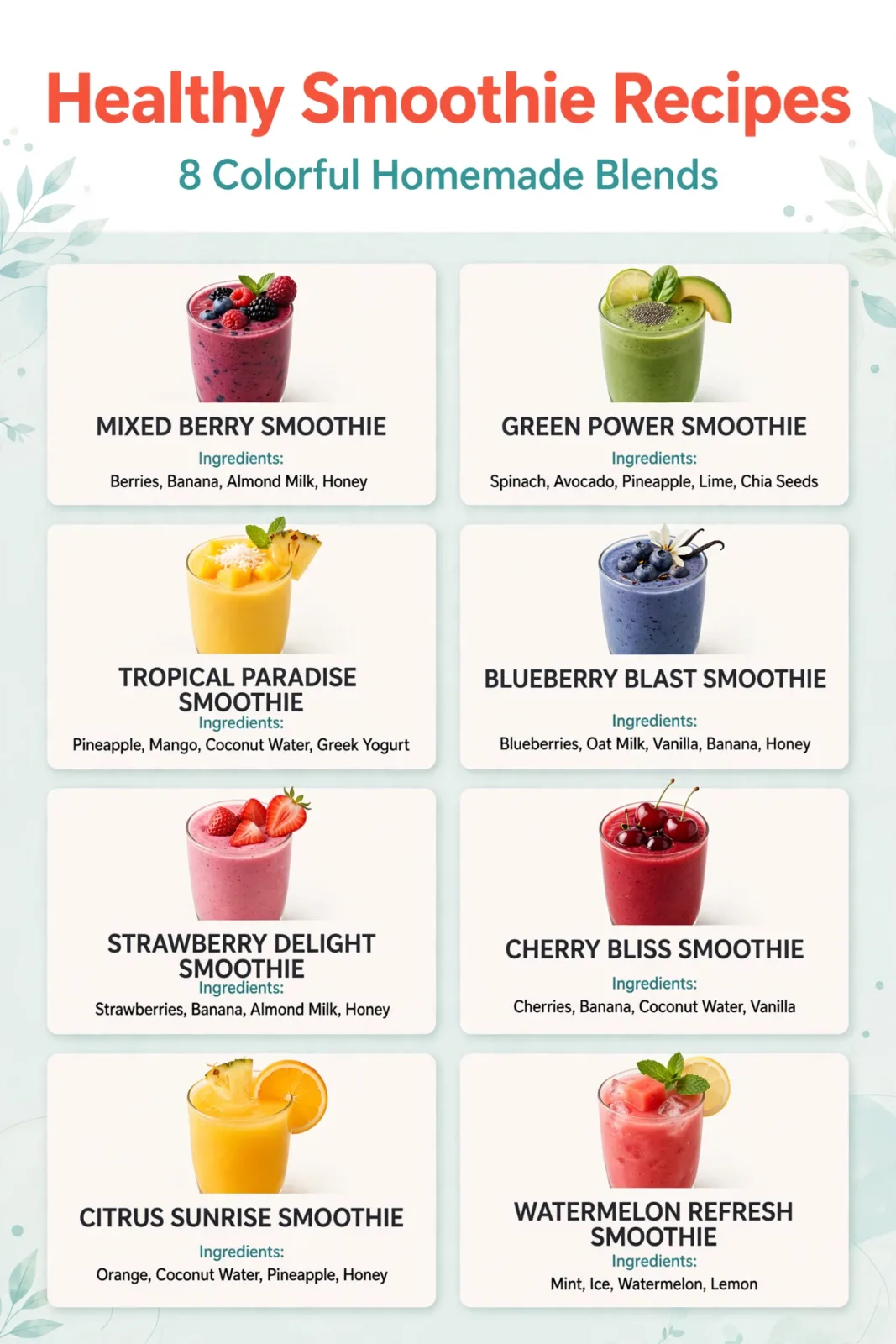
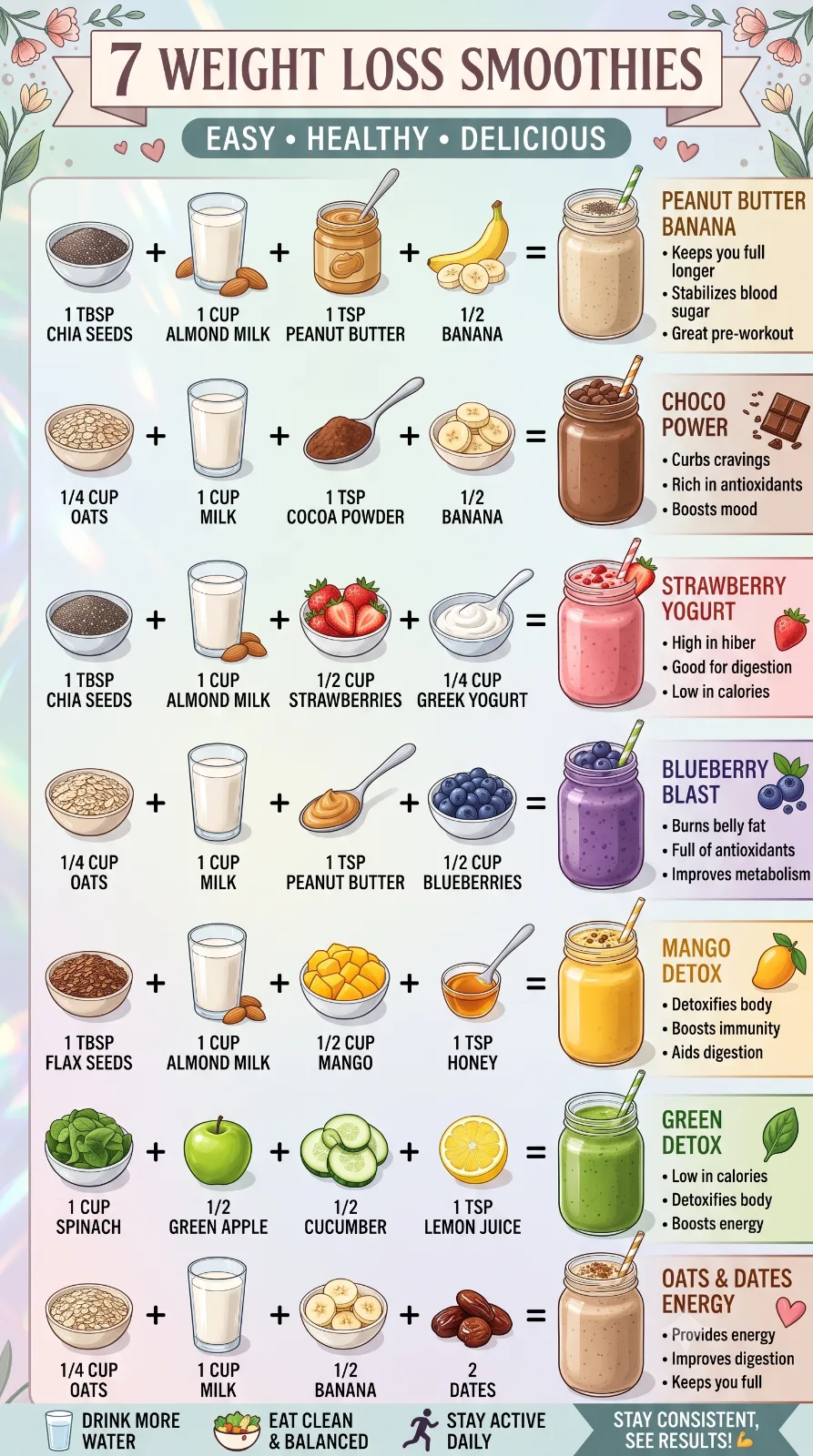
Blueberry Blast Smoothie
Expert Blending Techniques & Equipment Guide
Getting that perfect velvety texture isn't just about dumping everything in and hitting the button. Over the years, I've picked up a few tricks that make a world of difference. First, order matters more than you'd think. Always start with the liquids, then the soft ingredients, and finish with the frozen or hard items on top. This layering keeps the blades from getting stuck and helps everything circulate evenly. So for this Blueberry Blast, pour your milk in first, followed by the oats, peanut butter, and finally the blueberries. If you're using frozen berries, this step is especially important because they tend to clump at the bottom otherwise.
Second, give your blender a moment to work. Start on low speed to break up the oats and berries, then gradually increase to high. This prevents air pockets from forming and ensures a smoother blend. If you have a tamper, use it to push ingredients down rather than stopping and scraping constantly. For those with high-powered blenders like a Vitamix or Blendtec, you can often just crank it to high and let it run for 45 to 60 seconds. For standard blenders, you might need a full minute or two, pausing to scrape down the sides once or twice.
Third, don't underestimate the power of soaking. If your blender struggles with oats, soak them in the milk for 10 minutes before blending. This softens them and makes them blend into a creamy base rather than gritty bits. The same goes for the peanut butter – if it's cold from the fridge, let it sit at room temperature for a few minutes so it incorporates more easily.
As for equipment, you don't need a fancy blender to make this work. A basic countertop model will do the job, though you might need to blend a bit longer. If you're using a personal-sized blender like a NutriBullet, you may need to halve the recipe to avoid overflow. And if you're in the market for an upgrade, look for a blender with at least 600 watts of power and a sturdy jar. It's an investment that pays off in smoothie season.
Ingredients
- 1/4 cup oats
- 1 cup milk
- 1 TSP peanut butter
- 1/2 cup blueberries
Instructions
- Add 1/4 cup oats to the blender.
- Pour in 1 cup milk.
- Add 1 teaspoon peanut butter.
- Add half a cup blueberries.
- Blend all ingredients until smooth.
- Serve immediately.
Storage, Meal Prep & Serving Suggestions
One of the best things about this Blueberry Blast is how well it fits into a busy schedule. I often make a big batch on Sunday and portion it out for the week. Here's how to do it right: pour the smoothie into airtight glass jars, filling them almost to the top to minimize air exposure. Screw on the lids and store in the fridge for up to 3 days. Before drinking, give the jar a good shake – separation is natural, especially with the oats and peanut butter, but a quick shake brings it all back together.
If you prefer freezing, you can pour the smoothie into ice cube trays and freeze, then transfer the cubes to a freezer bag. When you're ready, blend the cubes with a splash of milk until smooth. This method keeps for up to 3 months. Alternatively, you can prep smoothie packs: combine the oats, blueberries, and peanut butter in a freezer-safe bag, then freeze. In the morning, dump the pack into the blender with milk and blend. It's a grab-and-go breakfast that takes less than two minutes.
When it comes to serving, this smoothie is delicious straight up, but you can also turn it into a satisfying bowl. Pour it into a bowl and top with sliced banana, a sprinkle of granola, chia seeds, or a drizzle of peanut butter. It's a great way to add texture and make it feel like a more substantial meal. For a post-workout treat, add a scoop of protein powder or a tablespoon of Greek yogurt. And if you're serving it to kids, try freezing it into popsicles – they'll never guess it's healthy!
One more tip: if you're watching your sugar intake, use unsweetened milk and skip any added sweeteners. The natural sweetness of the blueberries and the creaminess of the peanut butter usually do the trick. But if you like it sweeter, a single Medjool date blended in adds natural sweetness and fiber without processed sugar.
Additional Frequently Asked Questions
Can I use quick oats instead of rolled oats?
Yes, quick oats work just fine and actually blend up a bit smoother because they're already partially cooked and thinner. Rolled oats give a slightly more textured result, while quick oats create a creamier consistency. Either way, you'll get the same nutritional benefits. If you only have steel-cut oats, I'd recommend soaking them overnight first, as they're much harder and can be gritty in a smoothie.
What can I use instead of peanut butter?
If you're allergic to peanuts or just not a fan, there are plenty of alternatives. Almond butter, cashew butter, and sunflower seed butter all work beautifully. Each brings its own flavor profile – almond butter is a bit milder, cashew butter is creamier, and sunflower seed butter has a slightly earthy taste. You can also use tahini for a nut-free option, though it will change the flavor a bit. For a lower-fat version, try a tablespoon of chia seeds or flax seeds instead; they'll add thickness and healthy omega-3s.
How can I make this smoothie thicker?
If you like a thicker consistency, there are a few easy tricks. First, use frozen blueberries instead of fresh – they naturally thicken the smoothie. Second, add a few ice cubes, but not too many or it'll get watery. Third, reduce the milk to 3/4 cup and add a tablespoon of Greek yogurt or a scoop of protein powder. Finally, let it blend a bit longer; sometimes the oats need extra time to fully absorb the liquid and thicken up. You can also add a tablespoon of chia seeds and let it sit for 5 minutes – they'll gel and thicken the whole thing.
Is this smoothie suitable for kids?
Absolutely! It's a great way to sneak in nutrients for picky eaters. The natural sweetness from the blueberries and the creaminess from the peanut butter make it a hit with kids. If you're concerned about the peanut butter, you can substitute with sunflower seed butter for a nut-free version. For younger kids, you might want to thin it out with a little extra milk. And as mentioned, freezing it into popsicles is a fun way to serve it. Just be sure to adjust the sweetness to their liking – you can add a bit of honey or maple syrup if needed.
Can I add other fruits to this smoothie?
Of course! This recipe is a great base for experimentation. A frozen banana adds creaminess and natural sweetness. A handful of spinach or kale won't change the flavor much but will boost the nutrition. Mango, pineapple, or raspberries are also delicious additions. Just keep in mind that adding more fruit will increase the natural sugar content, so if you're watching your intake, stick to the original recipe or use low-sugar fruits like strawberries or blackberries. I personally love adding half a banana for extra potassium and a creamier texture.