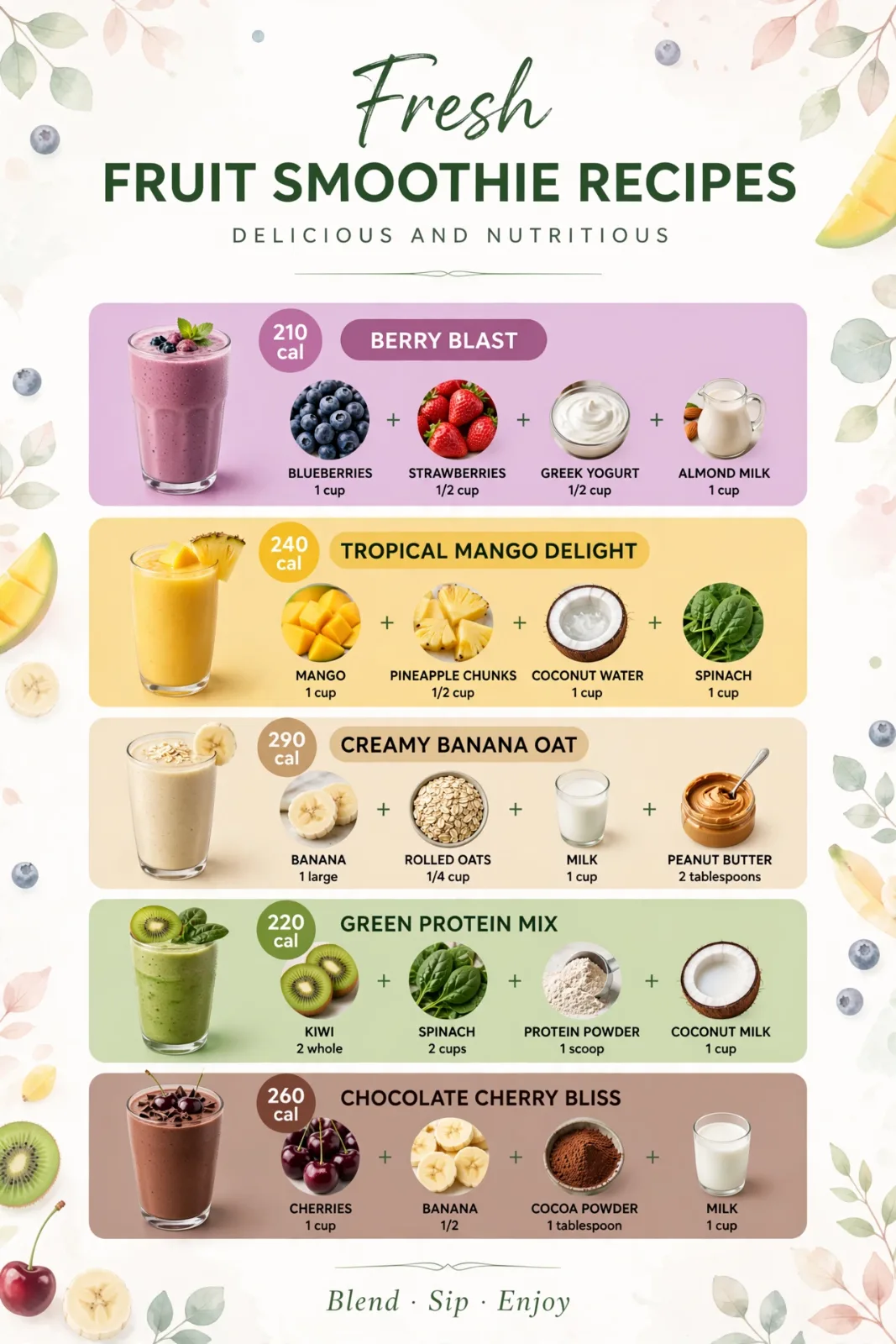
Tropical Mango Delight Smoothie
Expert Blending Techniques & Equipment Guide
Getting that perfect silky texture isn't just about tossing everything in and hoping for the best. Over the years, I've learned a few tricks that make a world of difference. First, the order of ingredients matters more than you'd think. Always add liquids first—in this case, the coconut water—then the soft fruits like mango and pineapple, and finally the leafy greens and any ice or frozen items on top. This layering helps the blades catch everything evenly and prevents those annoying spinach leaves from spinning around untouched at the top.
When it comes to equipment, a high-powered blender is your best friend for this recipe. Something in the 1000-watt range or higher will pulverize the spinach so completely that you won't see a single fleck, giving you that gorgeous yellow-to-light-green gradient. If you're working with a standard blender, don't despair. Start by blending the coconut water and spinach alone until it's completely smooth, then add the mango and pineapple and blend again. This two-step method ensures no leafy bits sneak through.
Texture is deeply personal. Some folks like a thinner, juice-like consistency, while others want something thick enough to eat with a spoon. For a thicker smoothie, reduce the coconut water to three-quarters of a cup or add a handful of frozen mango chunks. For a thinner version, splash in a little extra coconut water until you hit your sweet spot. If you have a tamper, use it to push ingredients down rather than stopping and scraping constantly—it keeps the vortex going and results in a smoother blend.
Don't overlook the power of a good pause-and-scrape. Even high-end blenders can leave a pocket of unblended fruit near the lid. Stop once halfway through, scrape down the sides with a spatula, and continue. This simple habit can be the difference between a good smoothie and a great one. And if you're serious about smoothies, consider investing in a vacuum blender—it reduces oxidation, keeping the color vibrant and the flavor fresher for longer.
Finally, think about temperature. Blending creates friction, which warms the smoothie slightly. If you're using all room-temperature ingredients, you might end up with a lukewarm drink. That's why I always recommend at least one frozen component—frozen mango, frozen pineapple, or a few ice cubes—to keep things chilled and refreshing. Serve it in a glass that's been chilling in the freezer for a few minutes, and you'll feel like you're sipping straight from a tropical resort.
Ingredients
- 1 cup mango, peeled and chopped
- 1/2 cup pineapple chunks
- 1 cup coconut water
- 1 cup fresh spinach
Instructions
- Peel and chop the mango into chunks.
- Add mango, pineapple chunks, coconut water, and spinach into a blender.
- Blend until smooth and well combined.
- Serve chilled for the best flavor.
Storage, Meal Prep & Serving Suggestions
Life gets busy, and having a plan for leftovers or make-ahead moments can save your morning sanity. The good news is that this Tropical Mango Delight holds up better than most smoothies thanks to the coconut water and natural preservatives in pineapple. If you have extra, pour it into a mason jar, fill it to the very top to minimize air exposure, and seal it tight. It'll keep in the fridge for up to 24 hours, though I find it's best within the first 12. Give it a vigorous shake before drinking—separation is natural and nothing to worry about.
For longer storage, freezing is your ally. Pour the blended smoothie into ice cube trays and freeze solid. Once frozen, pop the cubes into a freezer bag and store for up to three months. When you're ready for a quick fix, toss a handful of cubes into the blender with a splash of coconut water and blend until smooth. It's like having your own personal smoothie bar ready to go. You can also freeze individual portions in small jars, leaving a little headroom for expansion, and thaw overnight in the fridge.
Meal prep is where this recipe truly shines. On Sunday, portion out bags containing one cup of mango, half a cup of pineapple, and one cup of spinach. Label them and keep them in the freezer. Each morning, dump one bag into the blender, add coconut water, and blend. You've just cut your prep time down to under two minutes. It's a game-changer for hectic weekdays when you're tempted to skip breakfast.
Serving suggestions go beyond a simple glass. This smoothie makes a fantastic base for smoothie bowls—pour it into a bowl, top with sliced banana, granola, chia seeds, and a drizzle of honey. It's also a brilliant layer in overnight oats or chia pudding. For a festive touch, rim your glass with shredded coconut or a lime wedge. And if you're hosting brunch, serve it in small glasses as a welcome drink or freeze it into popsicles for a kid-friendly treat that adults will secretly love too.
Pairing ideas? This smoothie complements light meals beautifully. Try it alongside a veggie omelet for a balanced breakfast, or with a quinoa salad for a refreshing lunch. Its bright acidity cuts through rich dishes, so it's also a lovely palate cleanser between courses. And don't forget the garnish—a thin slice of mango on the rim or a sprig of mint makes it feel special, even on an ordinary Tuesday.
Additional Frequently Asked Questions
Can I use other fruits in this smoothie?
Absolutely! This recipe is incredibly flexible. Bananas add creaminess, while berries introduce a tart contrast. If you want to keep the tropical vibe, try adding a few chunks of papaya or a splash of passion fruit juice. Just keep the ratios roughly the same to maintain the balance of sweet and tangy.
How can I make this smoothie thicker without adding calories?
A few tricks: use frozen fruit instead of fresh, add a tablespoon of chia seeds or ground flaxseed (they absorb liquid and thicken), or blend in a quarter of an avocado. Avocado adds creaminess and healthy fats without a strong flavor. You can also reduce the coconut water by a quarter cup.
Is this smoothie safe for people with diabetes?
It can be, but moderation is key. The natural sugars from mango and pineapple can spike blood sugar. To lower the glycemic impact, use more spinach, reduce the pineapple, and add protein or healthy fats like Greek yogurt, nuts, or seeds. Always consult your healthcare provider for personalized advice.
What's the best way to clean my blender after making this smoothie?
A quick rinse immediately after use prevents staining and stuck-on bits. For a deeper clean, fill the blender halfway with warm water, add a drop of dish soap, and blend for 30 seconds. Rinse well. For stubborn spinach residue, a paste of baking soda and water works wonders.
Can I turn this into a green smoothie?
Definitely! If you want a more pronounced green color, increase the spinach to two cups and add a handful of kale. The flavor will still be fruity, but you'll get an extra nutritional boost. You can also add a scoop of spirulina or chlorella for a superfood kick.